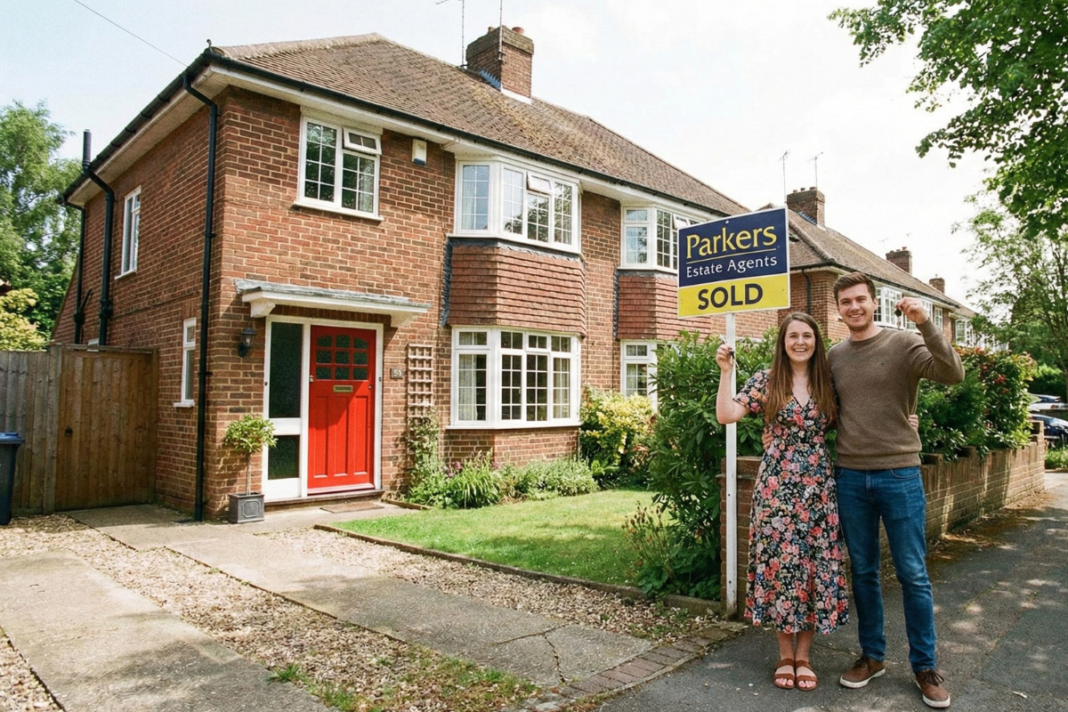
Outdated assumptions about deposits, credit histories and new-build prices may be discouraging prospective first-time buyers before they seek professional advice, according to Tilia Homes.
The Building Societies Association’s Property Tracker found that raising a deposit remained the most frequently cited barrier, selected by 64% of aspiring buyers.
However, first-time buyer activity increased by approximately 20% during 2025 as mortgage affordability improved and higher loan-to-value lending became more widely available.
Tilia says agents, housebuilders and mortgage advisers could convert more enquiries by challenging five common misconceptions about buying a first home.
DEPOSIT MYTH
One persistent belief is that every buyer needs a 20% deposit. Although larger deposits can unlock lower rates, mortgages are available at up to 95% loan to value, subject to affordability and credit checks.
The Government’s permanent Mortgage Guarantee Scheme supports participating lenders offering eligible buyers mortgages with deposits as small as 5%.
Heike O’Leary, Chief Sales and Marketing Officer at Tilia Homes, says: “A smaller deposit naturally means a higher loan-to-value mortgage, which can come with different rates and terms.
“It also means buyers can get on the ladder years earlier than they otherwise would.”
REGIONAL DIVIDE
Saving times vary significantly by location. Nationwide estimates that accumulating a 10% deposit takes nearly six years nationally, based on saving 10% of average net pay each month.
The equivalent period rises to nine years in London but falls to approximately four years in northern England.
O’Leary says buyers focused on one city should investigate nearby towns where a comparable lifestyle and commute may come with substantially lower prices.
CREDIT AND SUPPORT
Tilia also challenged the assumption that an imperfect credit history automatically prevents someone obtaining a mortgage. Lenders assess income, debts, expenditure and recent credit conduct, although past problems can reduce product choice or increase the rate charged.
Buyers should review their credit files and speak to a regulated mortgage adviser before viewing properties rather than assuming they will be declined.
More than a third of recent first-time buyers received help raising their deposit from family, friends or inheritance, underlining that there is no single route into ownership.
NEW-BUILD COSTS
New homes can carry an initial price premium, but Tilia argues buyers should compare total ownership costs, including energy, maintenance, warranties and any purchasing incentives.
Those benefits will vary between developments and do not automatically make a new build cheaper than an older property.
O’Leary adds: “Once buyers understand the actual figures and the support available, the property ladder often turns out to be far more reachable than they assumed.”