Shop price inflation slowed during July as retailers used summer promotions to encourage spending despite mounting operating costs.
The latest British Retail Consortium-NIQ Shop Price Monitor recorded annual inflation of 0.9% between 1 and 7 July, down from 1.2% in June and below the three-month average of 1.1%.
Non-food inflation dropped from 0.6% to 0.2%, helped by clothing and footwear discounts as retailers began clearing summer stock. Overall shop prices were 0.1% lower than in June.
Food inflation also eased from 2.4% to 2.2%, although prices rose by 0.2% month on month.
MIXED FOOD PICTURE
Ambient food inflation fell sharply from 1.9% to 1.1%, reflecting promotions on snacks and alcoholic drinks during the football World Cup.
However, fresh food inflation moved in the opposite direction, rising from 2.8% to 3.1% annually.
The figures suggest fierce competition and promotional activity are restricting the prices reaching consumers, but do not necessarily indicate that the underlying cost pressures facing retail occupiers have disappeared.
The June monitor similarly highlighted pressure from employment costs, packaging taxes, energy bills, extreme weather and geopolitical disruption.
HIGH STREET PRESSURES
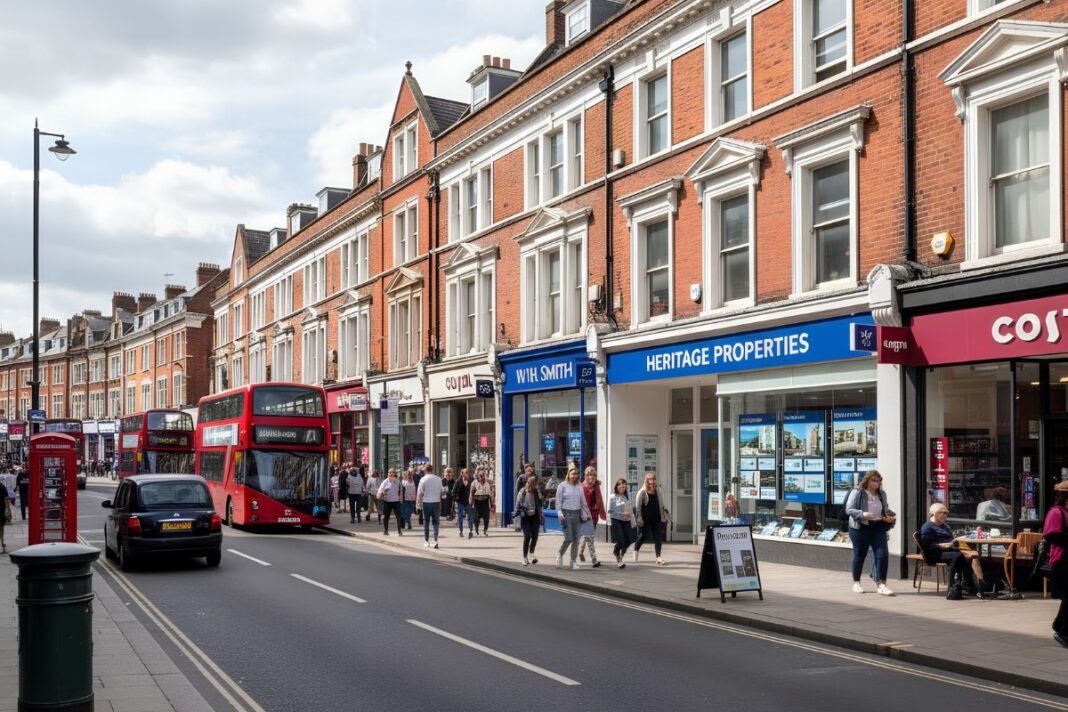
For landlords, investors and local authorities, retailers’ ability to absorb these costs will influence store investment, leasing decisions and the longer-term health of high streets.

Helen Dickinson, Chief Executive Officer of the British Retail Consortium, says: “Good news for households in July as shop price inflation slowed. Retailers competed hard to limit price rises, with a wave of summer promotions across food and other goods.
“Some categories, including electricals and health and beauty, saw higher inflation as rising chip prices and manufacturing costs fed through.”
CALL FOR LOWER COSTS
Dickinson warns that further cost increases could ultimately make it harder for retailers to maintain low prices, invest in shops and protect employment.
“The best way to keep the cost of living down is to keep the cost of doing business down,” she adds.
“Cutting unnecessary taxes and levies on energy bills would help retailers keep prices low, invest locally and support jobs in every town and city.”