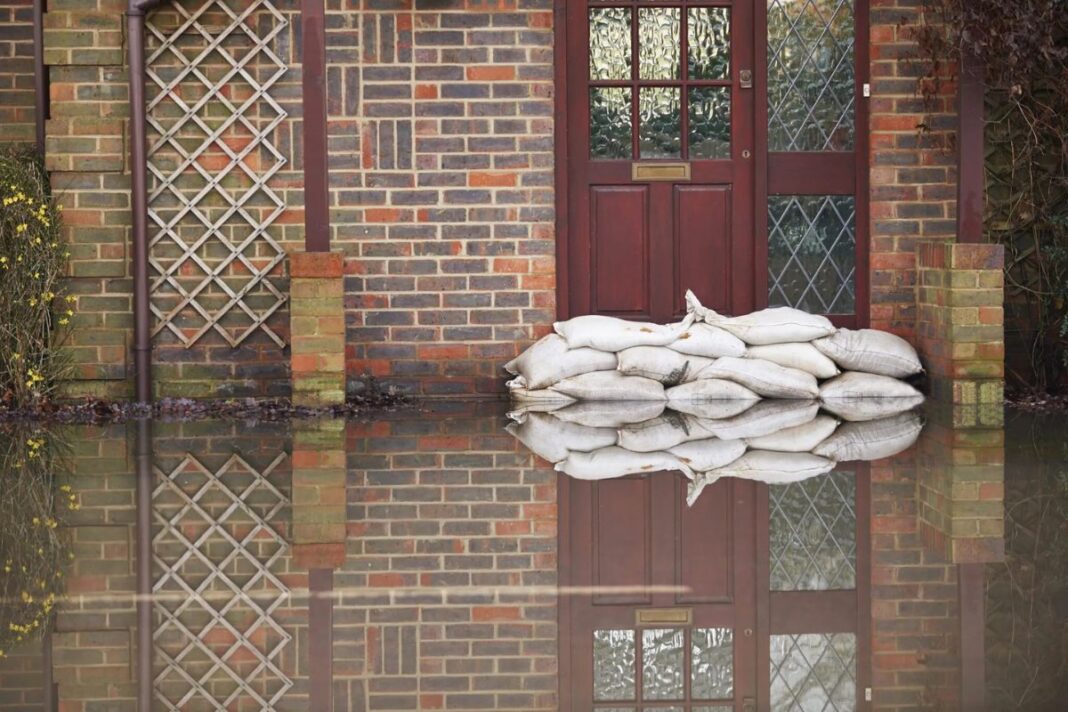
The number of homes exposed to flooding is expected to rise substantially over the coming decades, prompting homeowners to consider how well prepared their properties are for increasingly severe weather.
Compare the Market is urging households to check their flood risk, understand their insurance and consider practical measures that could limit the damage caused by flooding.
The warning follows new Environment Agency analysis showing around 6.3 million properties in England are already in areas at risk from flooding, with the figure projected to rise to eight million by the middle of the century. Around 4.6 million are currently exposed to surface-water flooding.
The Met Office also says the UK climate is becoming wetter, particularly during winter, with rainfall expected to become more intense and potentially increase the risk of severe flooding.
COST OF EXTREME WEATHER
The financial consequences for homeowners can be significant. Figures from the Association of British Insurers show insurers paid £758 million for weather-related damage to homes and possessions during 2025, while the cost of domestic flood claims jumped 38% to £312 million. The average payout for a household flood claim increased 60% to £30,000.
The pressure has continued into 2026, with the average home insurance claim for weather-related damage reaching £6,040 during the first quarter – the highest Q1 average recorded by the ABI.
Research commissioned by Flood Re has meanwhile estimated that existing river flood defences prevent £1.15 billion of damage to UK homes each year, with annual household losses potentially 2.8 times higher without them.
The Government is also investing £830 million in more than 600 flood projects during 2026/27 as part of a wider commitment of at least £10.5 billion between 2024 and 2036.
HOMEOWNERS URGED TO CHECK COVER
Sam Wilson, expert at Compare the Market, says: “Flooding can happen with little warning and cause serious damage to homes and belongings, so it’s worth taking steps to prepare your property before severe weather hits.
“Homeowners should check whether their property is at risk of flooding and, where available, sign up for flood warnings. It’s also worth having a household flood plan, including knowing how to turn off the gas, electricity, and water, and keeping important documents and valuables somewhere safe.
“There are practical changes that can help reduce potential damage too. Depending on your property, these could include flood doors or barriers, self-closing air bricks, and non-return valves, as well as raising electrical sockets. Water-resistant materials, such as tiles instead of carpets, can also make it easier to recover if water gets inside.
“Finally, check your home insurance policy to understand what cover you have for your property and belongings. If your home does flood, contact your insurer as soon as possible and follow their advice before throwing away damaged items or arranging major repairs. Take photographs of any damage and keep receipts for emergency work, as these may be useful when making a claim.”