Construction entrepreneur and TrueNorth Capital Group founder Bradley Lay warns that political uncertainty following Prime Minister Keir Starmer’s resignation could create further challenges for a construction sector already grappling with cost pressures, fragile supply chains and failing business models.
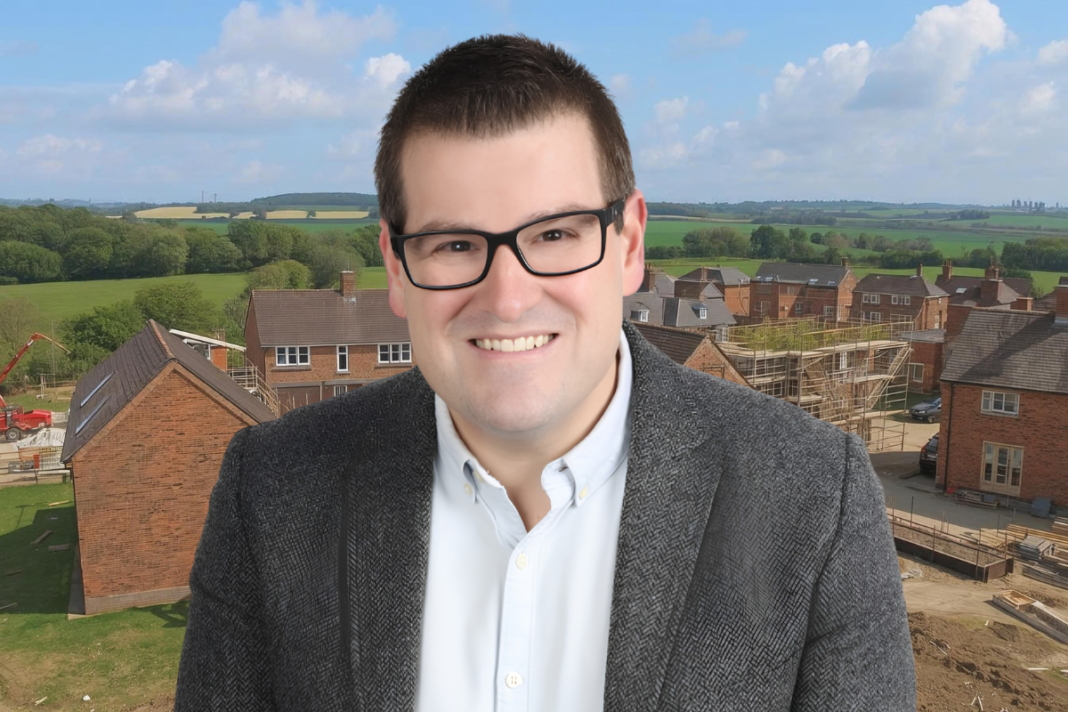
Lay (main picture), who has spent more than 20 years in the industry and now specialises in acquiring construction businesses, believes resilience and adaptability will be critical as firms navigate an increasingly uncertain operating environment.
He said leadership changes often create hesitation across markets, with developers, investors and lenders delaying decisions while they wait for clarity on future government policy, planning reform and infrastructure investment.
Lay argues that the sector is facing three simultaneous pressures. Alongside political uncertainty, he points to ongoing disruption within supply chains despite falling energy prices, and what he describes as structural weaknesses within the traditional main contractor model.
WAFER-THIN MARGINS
According to Lay, the collapse of major firms including Carillion, ISG and Ardmore Construction highlights deeper issues around low-margin contracting and an overreliance on turnover growth.
He says: “Too many businesses are chasing turnover rather than profit, relying on wafer-thin margins and using supplier credit as working capital. Eventually that catches up with them.”
Drawing on his experience reviewing acquisition opportunities, Lay says specialist subcontractors with strong balance sheets, recurring client relationships and niche expertise are proving more resilient than larger volume-driven contractors.
SUSTAINABLE MODELS
He believes construction businesses should focus less on predicting political outcomes and more on building sustainable operating models capable of withstanding market shocks.
He says: “Nobody knows exactly what the next six or twelve months will look like politically.
“But successful businesses aren’t built around predicting the future perfectly. They’re built around being able to absorb uncertainty when it arrives.
“The firms that emerge strongest from the next few years will be those that build operating models capable of handling uncertainty rather than hoping uncertainty disappears.”