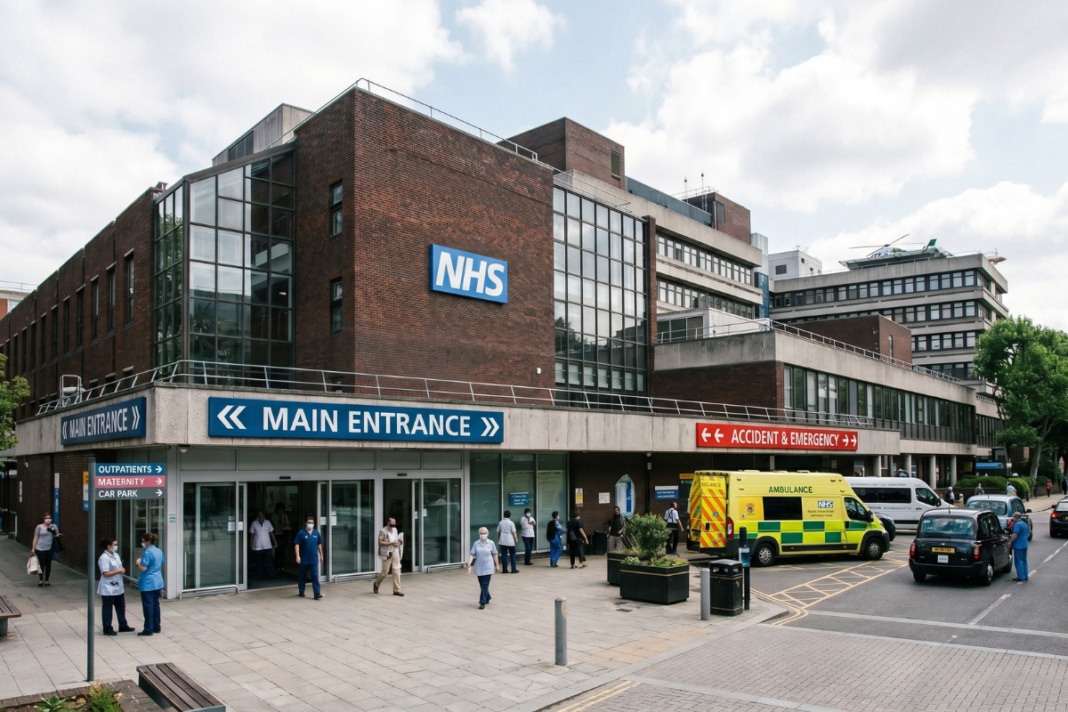
The cost of repairing NHS buildings could exceed £16bn this year as the maintenance backlog across the UK’s public estate approaches £50bn, according to new analysis from Property Inspect.
The research found that hospitals and other NHS facilities account for £13.8bn of the Government’s estimated £48.6bn public-sector maintenance backlog, making healthcare buildings one of the largest contributors to the country’s growing repair bill.
Property Inspect estimates the NHS backlog could reach £16.2bn by the end of the current financial year if historic growth trends continue, representing a near threefold increase from the £5.6bn recorded a decade ago.
The findings come amid ongoing concerns about the condition of healthcare facilities across the UK, with reports highlighting issues ranging from damp and mould to structural deterioration and ageing infrastructure.
MAINTENANCE BACKLOG
According to the analysis, Ministry of Defence properties account for the largest share of the public-sector maintenance backlog at £15.3bn, followed by NHS facilities and schools, which each account for £13.8bn. Prisons, courts and job centres also contribute to the growing liability.

Sián Hemming-Metcalfe, Operations Director at Property Inspect, said: “The NHS is now carrying a repair bill that would have seemed unimaginable a decade ago. With the backlog approaching £15 billion, the scale of the challenge facing healthcare estates teams is enormous.
“Behind these figures are buildings that patients, doctors, nurses, and support staff rely on every day.
“Nobody receiving treatment or providing care should have to worry about the condition of the building around them or whether maintenance issues could pose a risk to their health and safety.”
RISING REPAIR COSTS
Hemming-Metcalfe says the figures highlight the long-term consequences of delaying maintenance and allowing building issues to worsen over time.
“What these numbers demonstrate is the cost of deferred maintenance. No organisation can avoid maintenance indefinitely without consequences.
“As maintenance liabilities continue to grow across the public sector, preventative maintenance must become a priority. Investing in inspections and early intervention today is far less costly than dealing with major failures tomorrow.”