Confidence among UK property developers deteriorated further during the second quarter as build costs, planning delays and economic uncertainty made firms increasingly reluctant to begin new projects.
Research commissioned by Octane Capital found that only 23% of developers expect property market conditions to improve during 2026, down from 35% in the previous quarter.
The proportion saying they are less likely to proceed with a development or investment project climbed sharply from 37% to 57%. A further 23% expect their activity to remain unchanged, down from 43% in the first quarter.
Despite the caution, developers appear increasingly willing to use specialist funding to pursue viable opportunities. Some 83% expect to use specialist finance to navigate current conditions, compared with 72% three months earlier.
FINANCE DEMAND INCREASES
Bridging finance remains the product developers are most likely to use, with anticipated take-up rising from 40% to 44%.
Expected use of development finance also increased from 24% to 29%, suggesting that developers remain prepared to proceed where suitable funding and sufficient certainty are available.
Almost every developer surveyed – 97% – said obstacles remained in the current market.
High construction and labour costs were the most commonly identified problem, cited by 35% of respondents. Planning delays and uncertainty ranked second at 29%, having become a more prominent concern during the quarter.
Developers identified falling interest rates as the factor most likely to improve market conditions, cited by 23%. This was followed by greater lender confidence at 20% and improved availability of finance at 16%.
PLANNING DELAYS WEIGH ON PROJECTS
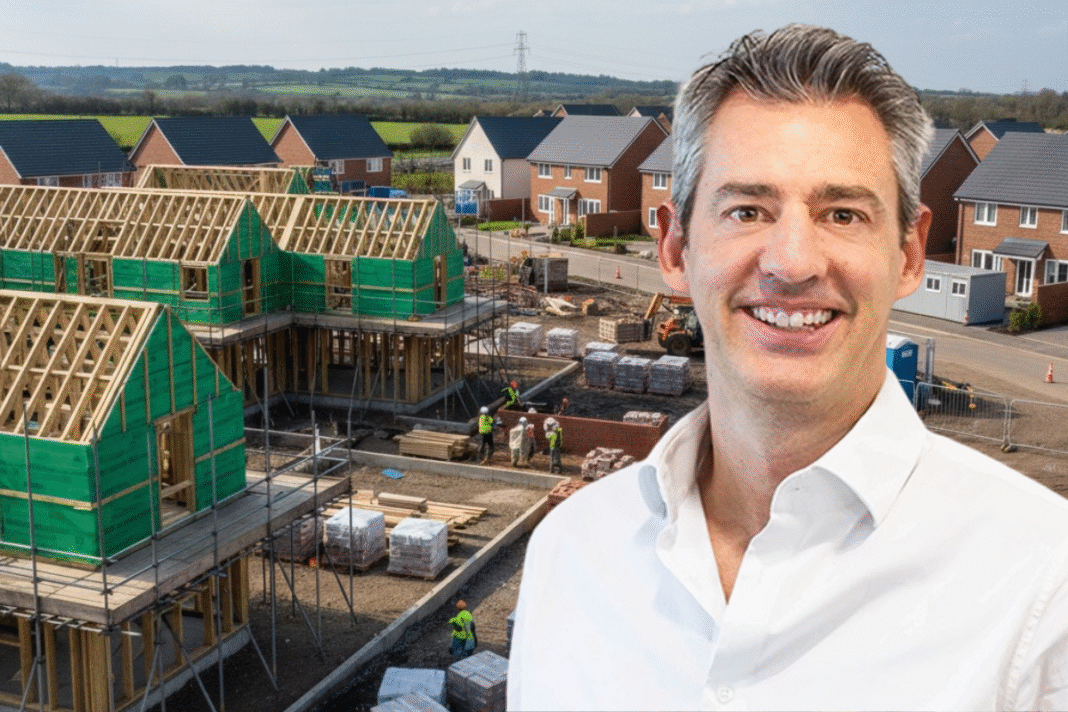
Jonathan Samuels (main picture, inset), CEOof Octane Capital, says: “The second quarter has seen confidence soften further, with developers clearly becoming more cautious about both current market conditions and the prospects for the remainder of the year.
“Build costs remain stubbornly high, planning delays continue to frustrate development activity, and wider economic uncertainty is making it increasingly difficult for developers to commit to new projects with confidence.”
He adds that growing demand for specialist finance demonstrated that developers still wanted to transact but were seeking lenders capable of delivering speed, flexibility and certainty.
He says: “Whilst sentiment has undoubtedly weakened, opportunities still exist for those able to move decisively, and that’s exactly where specialist finance continues to play such an important role.”