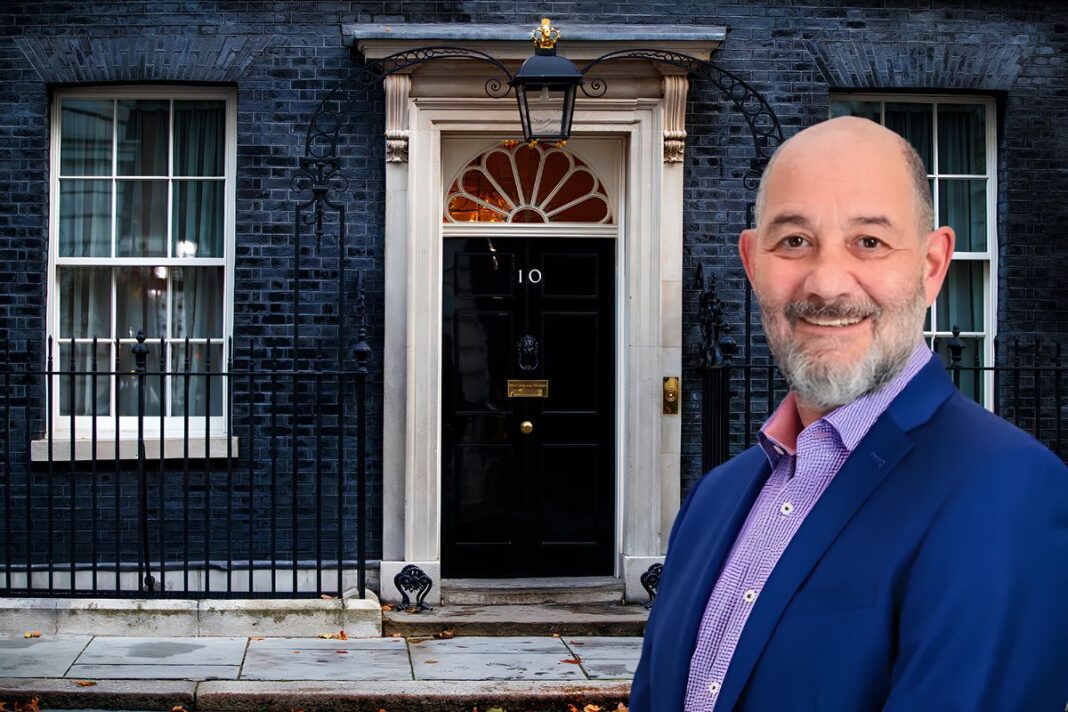
Prime Minister Andy Burnham has ruled out changing or abolishing stamp duty at the Government’s next Budget, bringing an end to weeks of speculation that had begun to disrupt property transactions.
Asked yesterday whether stamp duty would be changed or scrapped later this year, Burnham replied: “Yes, I can say that quite clearly. That won’t be happening.”
He also played down the prospect of an immediate large-scale property tax overhaul, saying the Government was not bringing forward plans “on that scale at this moment in time”, although it still wanted to make taxation fairer.
The intervention provides short-term certainty for buyers and sellers but does not amount to a permanent commitment that stamp duty, council tax or other property taxes will remain unchanged in later Budgets.
SALES DISRUPTION
Martyn Gerrard Estate Agents had previously warned that reports about abolishing Stamp Duty and replacing existing property taxes with an annual levy were already affecting buyer behaviour.
Simon Gerrard (main picture, inset), Chairman of Martyn Gerrard Estate Agents, said agreed sales had been paused and some deals had collapsed because purchasers feared paying a substantial Stamp Duty bill shortly before the tax might be removed.
He said at the time: “All this talk about stamp duty potentially being abolished is wreaking havoc on the property market.
“We’re even seeing agreed sales being paused and deals falling apart because no one wants to pay a large stamp duty bill right before it’s potentially abolished.”
Burnham’s clarification removes that immediate incentive to delay completion in anticipation of a tax saving at the forthcoming Budget.
REFORM DEBATE REMAINS
Stamp duty on land and property generated £16.6bn for the Treasury during the last financial year, making abolition difficult without identifying a substantial replacement source of revenue.
Critics argue that the transaction tax discourages homeowners from moving for employment, downsizing or releasing larger family properties. Gerrard described abolition as desirable because it could improve housing-market mobility and increase transaction volumes.
However, he had warned that replacing it with an annual Land Value Tax could disproportionately affect London and the South East unless regional values, household incomes and transitional arrangements were properly considered.
TAX PRESSURES
Burnham has previously suggested that some people may need to pay “a little more” as the Government responds to spending pressures from social care, defence and public investment.
Labour’s 2024 manifesto ruled out increases to the rates of income tax, employee National Insurance and VAT, limiting the Government’s room for manoeuvre across the taxes responsible for most Treasury revenue.
Property tax reform may therefore remain part of the longer-term debate, but Burnham’s statement confirms that buyers completing before the next Budget should not expect an imminent stamp duty overhaul.