


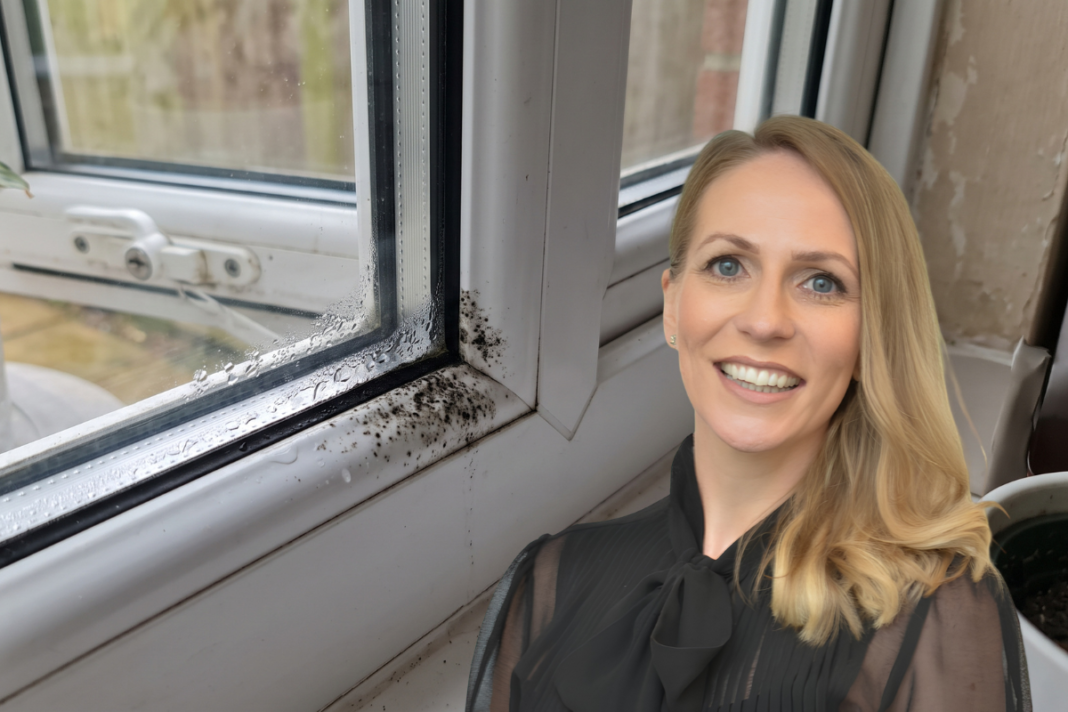
Letting agents and landlords are being urged to review how they record, investigate and respond to damp and mould reports as regulation of the issue tightens across the UK.
Propertymark says agents should investigate the underlying cause of problems rather than simply treating visible mould, while maintaining records of tenant reports, inspections and remedial work.
The warning comes as new rules covering damp and mould took effect in Scotland on 6 October and the Government considers how Awaab’s Law should be implemented in England’s private rented sector.
Under the new Investigation and Commencement of Repairs (Scotland) Regulations 2026, landlords face specific timescales after damp or mould is reported.
TIGHTER TIMESCALES
Propertymark says this includes investigating within 10 working days, providing a written summary within three working days of completing the investigation and beginning required safety work within five working days.
In England, the Government is consulting on extending Awaab’s Law protections to the private rented sector, with the consultation closing on 18 December.
The Renters’ Rights Act has also strengthened the enforcement powers available to local authorities.
AGENT RESPONSIBILITIES
Propertymark says agents should have appropriate inspection, maintenance and reporting procedures in place and ensure problems are followed up promptly.
Potential causes can range from condensation and inadequate ventilation to leaking pipes, damaged roofs, blocked gutters or underlying building defects.
Kim Lidbury (main picture, inset), President of ARLA Propertymark, says: “Landlords and letting agents have an important role to play in ensuring that reports are acted upon quickly, the underlying cause is properly investigated, and any necessary remedial work is carried out to a high standard.
“Simply treating the visible symptoms without addressing the root cause risks allowing the problem to return and leaving tenants facing the same concerns repeatedly.”