

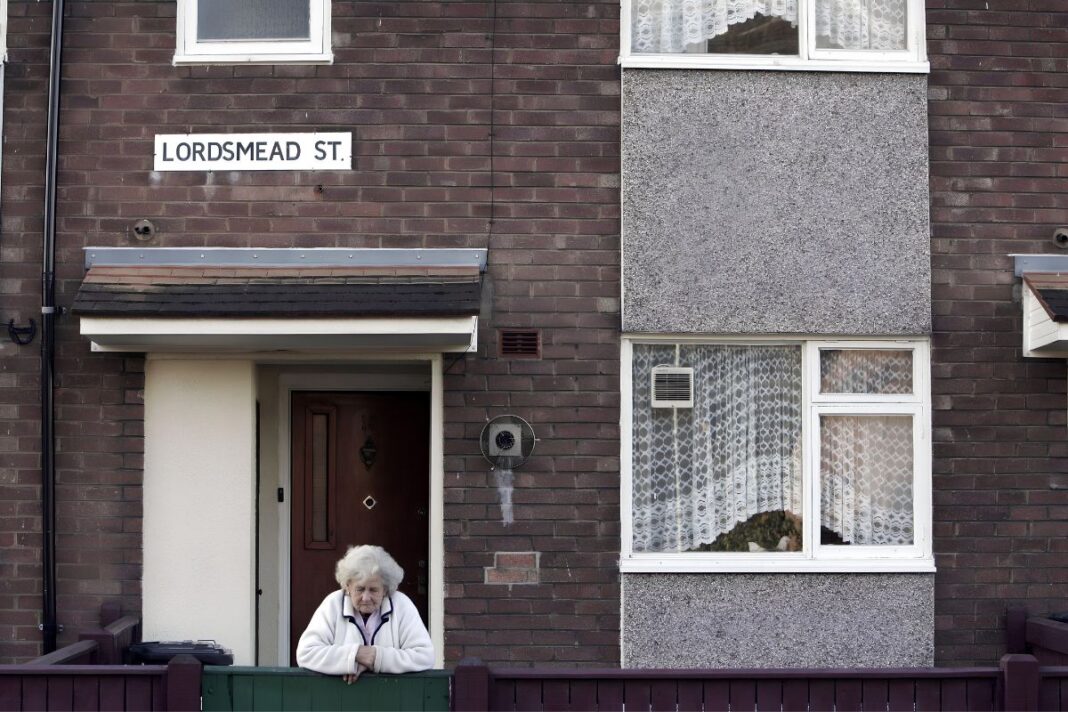
Older residents could feel excluded from North Manchester’s £6bn regeneration unless they are given a greater role in shaping its neighbourhoods, University of Manchester researchers have warned.
The study found strong attachment among older people to their communities but concerns that new development could bring gentrification, higher housing costs and the loss of familiar local spaces.
Researchers said regeneration programmes must invest in community centres, faith venues, independent shops and voluntary organisations alongside homes, transport and public infrastructure.
The findings have wider implications for developers and planners working in established communities, particularly as the UK population becomes older and more ethnically diverse.
15,000 NEW HOMES
Manchester City Council’s North Manchester Strategy involves approximately £6bn of investment over 15 to 20 years.
It includes the redevelopment of North Manchester General Hospital, a new mental health facility and Victoria North, which is being delivered through a partnership between the council and Far East Consortium.
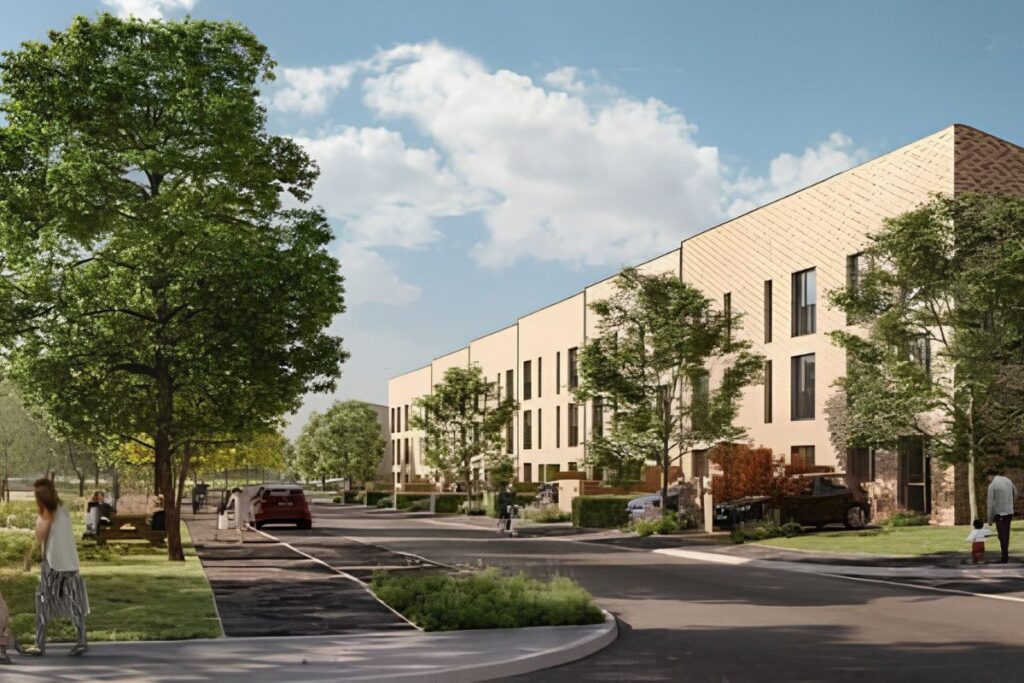
Pic credit: Manchester City Council
Victoria North is expected to provide 15,000 homes across seven neighbourhoods, including 20% affordable housing, alongside parks and transport improvements. The programme has also received government backing as a new town.
Dr Camilla Lewis, Senior Lecturer in Architectural Studies at the University of Manchester, says: “Regeneration could potentially bring enormous benefits to communities, but it is vital that we don’t lose sight of the people who already live in these places.
“Older people have deep connections to their neighbourhoods and have built up knowledge, relationships and networks over many years. These are valuable assets for regeneration, not obstacles to it.”
SOCIAL INFRASTRUCTURE
The research found that local organisations and volunteers provide important support for older residents, including people experiencing isolation, poor health, financial pressure or language barriers.
Everyday interaction in shops, community venues and places of worship also helped maintain connections between different generations and ethnic groups as neighbourhoods changed.
Dr Niamh Kavanagh, Research Fellow at the University of Manchester, says: “Regeneration needs to start by understanding what is already valuable about a place – its people, its relationships, its cultural diversity and the spaces where communities come together.
“The challenge is to make sure that regeneration strengthens these connections rather than unintentionally disrupting them.”
RESIDENT INVOLVEMENT
The report recommends that regeneration should be designed collaboratively with older residents, culturally sensitive and supported by sustained investment in existing community organisations.
The 12-month study included 41 interviews with residents, community groups and regeneration stakeholders, two focus groups and four creative projects involving more than 50 older people.
It concentrated principally on Cheetham Hill and Crumpsall, meaning its findings provide qualitative insight rather than a representative survey of every North Manchester resident. The full 150-page report was published on 16 July.