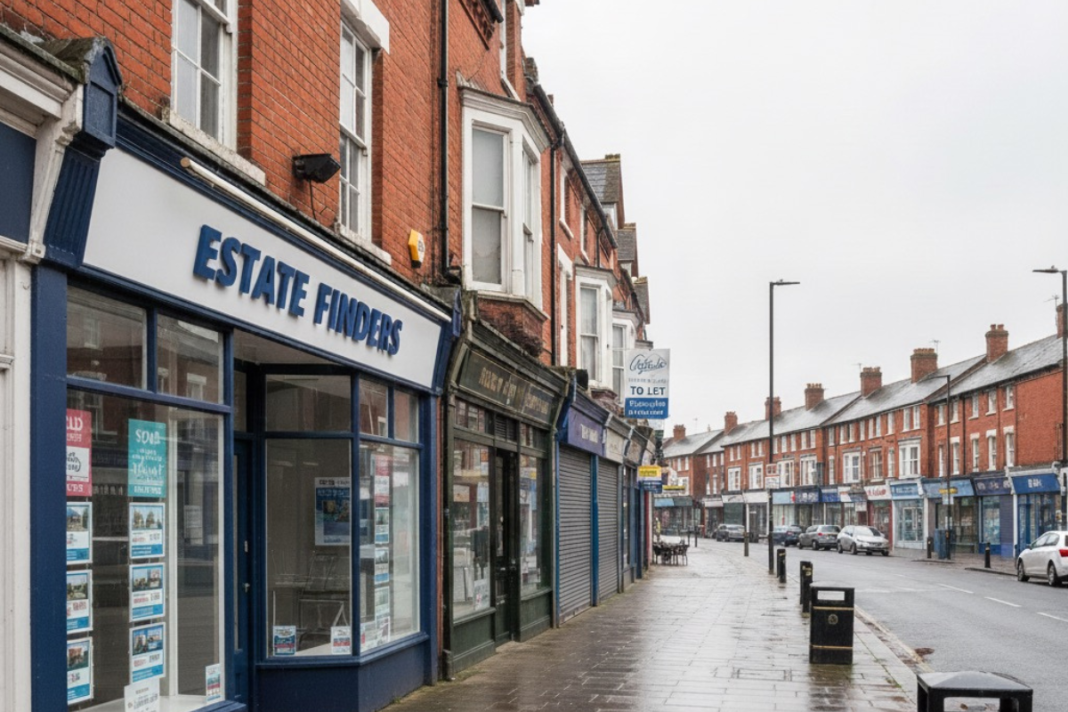
Retail footfall across the UK fell sharply in April as consumer confidence weakened amid continued geopolitical uncertainty and cost-of-living pressures, according to the latest BRC-Sensormatic Footfall Monitor.
Total UK footfall declined by 10.7% year-on-year during the four weeks from 5 April to 2 May, a significant deterioration from the 2.4% fall recorded in March.
High streets saw footfall drop by 9.2%, while retail parks fell 9% and shopping centres declined 10.1%.
The British Retail Consortium said the figures were partly distorted by the timing of Easter, which fell in March this year compared with April last year. However, even when March and April are combined to smooth out the calendar effect, total UK footfall was still down 3.9% compared with the same period in 2025.
FOOTFALL DECLINE
England recorded an 11.3% decline in footfall during April, while Wales fell 13.8% and Northern Ireland posted the steepest drop at 14.3%. Scotland proved comparatively more resilient with a decline of 5.2%.

Helen Dickinson, Chief Executive of the British Retail Consortium, says: “Even after correcting for Easter, April was still a weak month for footfall. The ongoing conflict in the Middle East pushed consumer confidence to new lows, prompting consumers to make fewer trips to the shops.
“While footfall declined in every city, London proved reasonably resilient during the tube strikes, as people adapted, finding alternative routes into the capital.”
She added that retailers would be hoping improving weather and major sporting events later in the year help drive consumer activity, but warned higher inflation linked to global tensions could continue to weigh on spending.
FRAGILE RECOVERY

Andy Sumpter, Retail Consultant EMEA at Sensormatic, says April’s figures were “a sobering reminder of how fragile the recovery in retail footfall remains”.
He adds: “With consumer confidence falling, and ongoing cost-of-living pressures, shoppers are becoming more selective – making fewer trips, but with clearer intent when they do.”
The latest figures are likely to add further pressure on retail landlords, shopping destinations and town centres already facing weaker consumer demand and rising operational costs.