Accountancy and consulting firm RSM UK has said new research from the Home Builders Federation further underlines the urgent need for planning reform and tax changes to improve the viability of residential development across the UK.
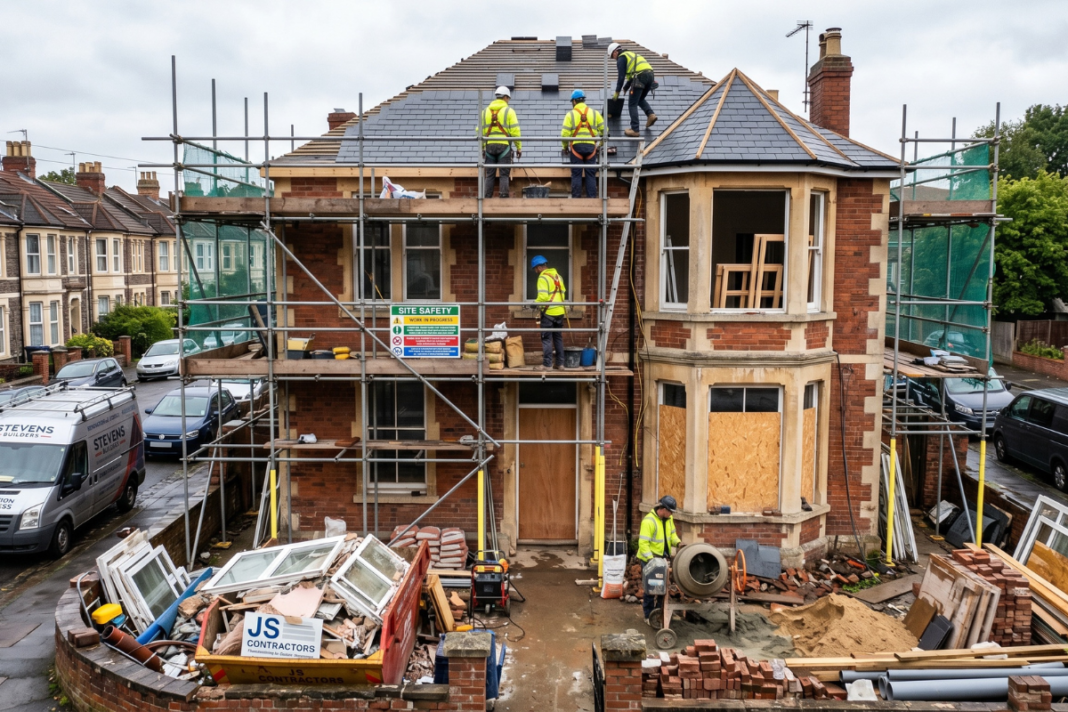
The comments follow the HBF’s recent Viability Crunch report, which found the cost of building a new home has increased by £76,000 since 2020, equivalent to more than 20% of the average value of a UK home.
According to the HBF, around 40% of the increase is linked to government regulation, taxation and policy costs, with the remainder attributed to rising labour and material costs.
RSM says the findings mirror concerns raised in its own Real Estate 360 report, which surveyed more than 270 senior leaders across the sector.
HIGH DEVELOPMENT COSTS
The research found 39% of respondents viewed rising development costs as the biggest barrier to meeting the Government’s housing targets, while 26% cited planning delays and challenges.
More than half of respondents also said they did not believe the Government would achieve its target of delivering 1.5 million homes by 2029.
RSM recently wrote to Housing Minister Matthew Pennycook urging the Government to review planning reforms, development taxes and regulatory costs in order to stimulate housing delivery.
POLICY AND TAX REFORM
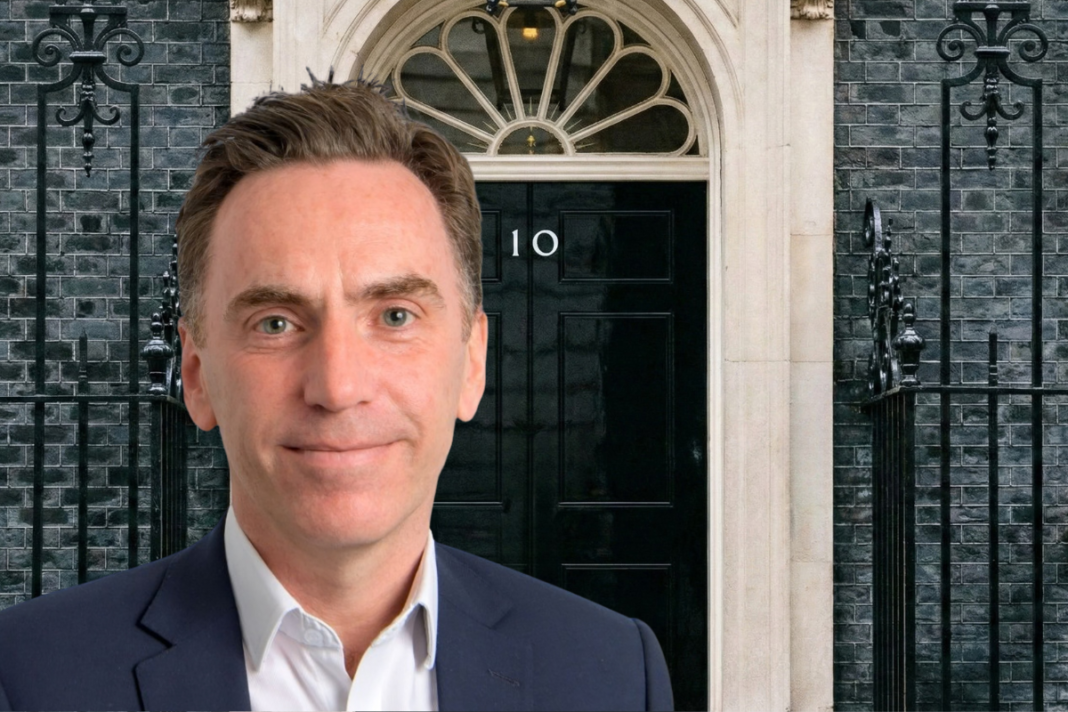
Stacy Eden (main picture, inset), Partner and National Head of Real Estate at RSM UK, says: “With costs set to escalate further due to the economic impact of the Iran conflict, the real estate industry urgently needs further support from Government to make housebuilding more viable.
“Short-termism and a piecemeal approach to increasing housing supply is currently holding the industry back, so we’ve called on the Government to reconsider policy and tax reform. We’ve asked for government to work with the sector to further streamline the planning process, remove unnecessary red tape and reduce taxes on the industry, speeding up Gateway 2 approvals.”
HOLISTIC APPROACH
RSM’s research also found one third of respondents believed abolishing stamp duty would help improve development viability, while 28% called for greater investment in skilled workers and support for first-time buyers.
Eden adds: “While we recognise that some factors impacting housing supply are outside government control, high taxes, lengthy planning processes, and a lack of skilled workers are all currently holding the sector back.
“A long-term, holistic approach to improve the viability of developments is urgently needed from government to enable the sector to thrive.”