The cost of renting a typical home in Great Britain has fallen below the average monthly mortgage payment for the first time since June 2025, as higher borrowing costs push up repayments for buyers.
New data from Rightmove shows the average advertised rent stands at £1,547 per month, compared to a typical new mortgage payment of £1,670 – a gap of £123.
The shift reflects a sharp rise in mortgage rates in recent months, with the average two-year fixed rate increasing from 4.24% in February to 5.35% in April.
Mortgage costs in the analysis are based on an average asking price of £373,971, a 20% deposit and a 30-year term, highlighting the growing affordability challenge facing first-time buyers.
REGIONAL ANALYSIS
The trend is most pronounced in higher-value regions, with London and the South East recording the largest gap between mortgage payments and rents.
Scotland and the North East remain the only areas where buying is still typically cheaper than renting due to lower property prices.
At a local level, renting is now cheaper than buying in more than two-thirds of local authorities, more than double the proportion seen in February when mortgage rates were lower.
The data points to a potential shift in buyer behaviour, with higher monthly costs and ongoing uncertainty around interest rates likely to delay homeownership for some households.
WAITING GAME
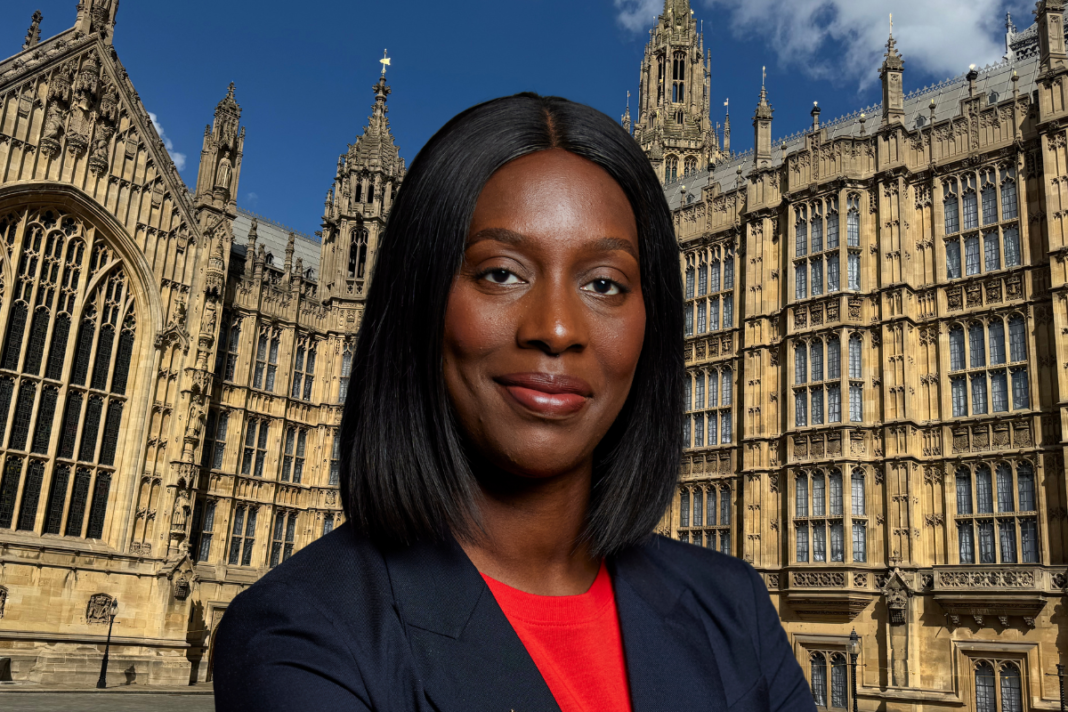
Colleen Babcock (main picture, inset), Property Expert at Rightmove, says: “Mortgage payments have risen quite sharply in a short space of time for new buyers.
“It will be interesting to see whether more would-be buyers turn to renting temporarily while rates remain high, particularly when monthly costs can exceed average rents and the timing of rate cuts is still unclear.”
COST OF BORROWING

Nathan Emerson, CEO at Propertymark, says: “Figures showing that mortgage payments are now exceeding rents in many areas will be a concern for homeowners and those aspiring to buy and they clearly reflect the impact of higher interest rates on household finances.
“For many, the cost of borrowing has risen sharply in a short space of time, making homeownership less affordable and, in some cases, delaying plans to move or step onto the property ladder altogether.”
UNDER PRESSURE
And he adds: “This shift highlights the wider economic pressures facing consumers, where affordability challenges are being felt across both renting and buying. While renting may appear comparatively cheaper in the short term, it does not necessarily mean it is more affordable overall, particularly as tenants continue to manage the cost of living and limited housing supply.
“It is also important to view this in the context of a private rented sector that has been under sustained pressure.
“Landlords have faced rising mortgage costs, increased taxation and ongoing regulatory changes, and many have worked hard to absorb these increases rather than passing them fully on to tenants. However, with borrowing costs now elevated, it is becoming more difficult for new and existing investors to enter the market or expand portfolios, which in turn restricts supply.
“Supporting pathways into homeownership while ensuring there is sufficient investment in the private rented sector will be key to improving affordability and choice for everyone.”