Fewer than one in seven UK homes increased in value during every year of the past five years, according to new analysis from Zoopla.
Around 4.2 million properties, representing 14% of the UK’s 30 million homes, recorded uninterrupted annual growth between June 2021 and June 2026.
This does not mean most homes lost value over the period. Zoopla’s latest House Price Index shows the average UK property gained 15.3%, or £36,100, across the five years.
However, the findings demonstrate how rarely values rose in every individual year as mortgage rates moved from record lows to around 4% to 5%.
REGIONAL DIFFERENCES
Northern Ireland proved the most resilient market, with 37.9% of homes increasing in value every year. The North West led Great Britain at 29.7%, followed by Scotland at 22.6%, Yorkshire and the Humber at 22% and the North East at 20.5%.
Southern England recorded substantially less consistent growth. The proportion was 4.6% in London, 4.1% in the South West, 3.2% in the South East and 2.6% in the East of England.
Zoopla attributed the divide largely to affordability, with higher borrowing costs having a greater effect in markets where property values were already elevated.
Bonnybridge in Scotland recorded the highest proportion among the postal towns analysed, with 60.8% of homes rising in value annually. Antrim followed at 60.5%, while Castleford achieved 53.6%.
Dagenham was London’s strongest performer at 31.6%, supported by average values approximately 25% below the capital’s overall level and improving transport connections.
Persistent decline was much rarer, with only 56,600 homes, or 0.2% of the national stock, falling in value during every year. Aberdeen recorded the highest concentration, affecting 5.9% of its homes.
RATE CHANGE
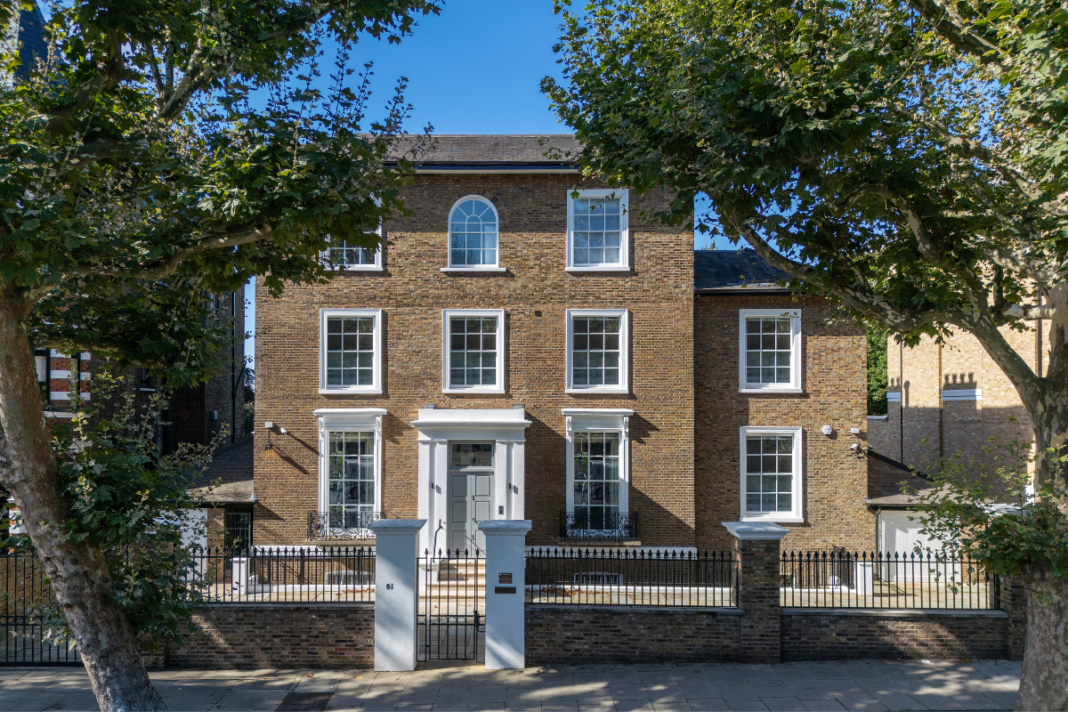
Richard Donnell (main picture, inset), Executive Director at Zoopla, says: “The last five years have seen local housing markets adjust differently to the impact of moving from record-low borrowing costs to higher rates today.
“Housing markets across Northern Ireland, the North and Scotland have seen homeowners keep building equity in their home because the local housing market was less exposed to the affordability pressures that higher mortgage rates bring.
“For homeowners, this analysis highlights why you cannot rely on national or regional averages when assessing what your home is worth.
“Trends vary by property type and at a hyper-local level. Understanding whether your local area has consistently built equity or flatlined is essential information, if you want to understand what you can afford to buy next or you are actively planning your next move.”