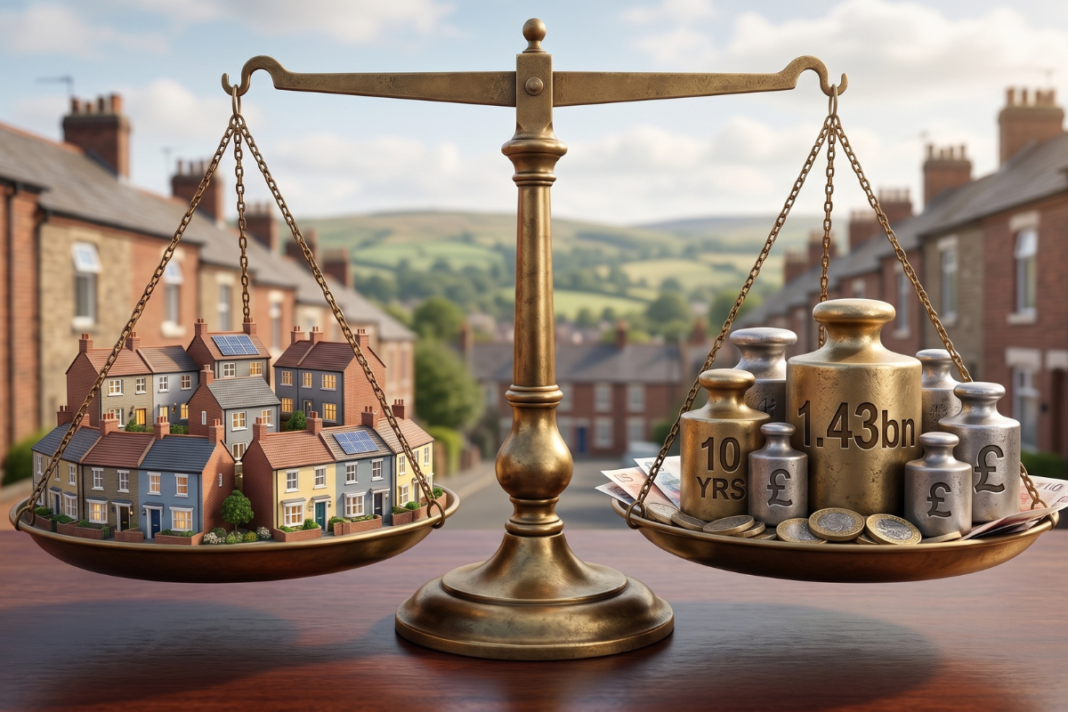
Reducing the number of non-decent homes in England’s private rented sector by 20% could cost £1.43bn over the next decade according to new analysis.
Research from Inventory Base suggests around 1.1 million privately rented homes have fallen below the Decent Homes Standard each year over the past decade, with little meaningful improvement in overall conditions.
The data indicates that while the number of non-decent homes has fallen by 16.5% since 2015, levels in 2024 remain broadly unchanged from pre-pandemic figures, highlighting the scale of the challenge.
The main drivers of non-decency include failures under the Housing Health and Safety Rating System, poor thermal efficiency and ongoing disrepair, reflecting long-standing issues across the sector.
REGULATORY PRESSURES
The analysis comes as regulatory pressure increases following the introduction of the Renters’ Rights Act 2025 and wider reforms to housing standards and enforcement.
The findings highlight the tension between raising housing standards and maintaining supply, as policymakers push for improvements in the quality of rental accommodation.
Inventory Base estimates that improving 220,000 homes over the next ten years would require annual investment of around £143m, based on an average remediation cost of £6,500 per property.
However, the report warns that much of the reduction in non-decent homes could be driven by landlords exiting the sector rather than investing in upgrades.
Rising mortgage costs, tax changes and compliance requirements are already putting pressure on smaller landlords, many of whom may find it more viable to sell than fund improvement works.
OUT IN THE COLD
This could lead to a contraction in rental supply, with properties leaving the sector rather than being brought up to standard.

Sián Hemming-Metcalfe, Operations Director at Inventory Base, says: “Increasing that rate of improvement to 30% would require fully funded enforcement, consistent penalties, and a level of reinvestment that current margins simply do not support.
“On the current trajectory, 20% is realistic. However, the concern is that even this outcome leaves hundreds of thousands of tenants in non-decent homes.”