The global branded residences market is set to pass 1,000 developments this year after almost tripling in size over the past decade according to Knight Frank.
Its latest Global Residences Report identifies nearly 1,800 existing and pipeline schemes involving more than 200 brands across 90 countries.
The number of developments has increased from 354 in 2015 to 903 at the end of 2025 and is expected to exceed 1,000 during 2026.
Based on the current development pipeline, Knight Frank expects the sector to reach around 1,800 schemes containing more than 300,000 homes by 2031.
BEYOND THE CITY
One of the biggest changes is the growing popularity of branded residences outside major cities.
Fewer than four in 10 schemes were located outside major cities in 2016, but more than half are today, with Knight Frank forecasting the proportion will reach 57% by 2028 based on the identified pipeline.
More than half of new openings are now in coastal, island, mountain and resort destinations.
Phuket has more branded residence schemes than London once pipeline developments are included, while Dubai remains the world’s largest individual city market with 175 schemes.
The Middle East accounts for 20% of all projects and 29% of the global pipeline.
MORE BRANDS ENTER MARKET
The type of companies entering the sector is changing too.
Hotel groups account for around 70% of existing schemes, but their share falls to 60% when pipeline developments are included.
Knight Frank expects non-hotel brands to account for almost 40% of supply by 2028, with fashion, automotive and lifestyle companies increasingly moving into branded residential development.
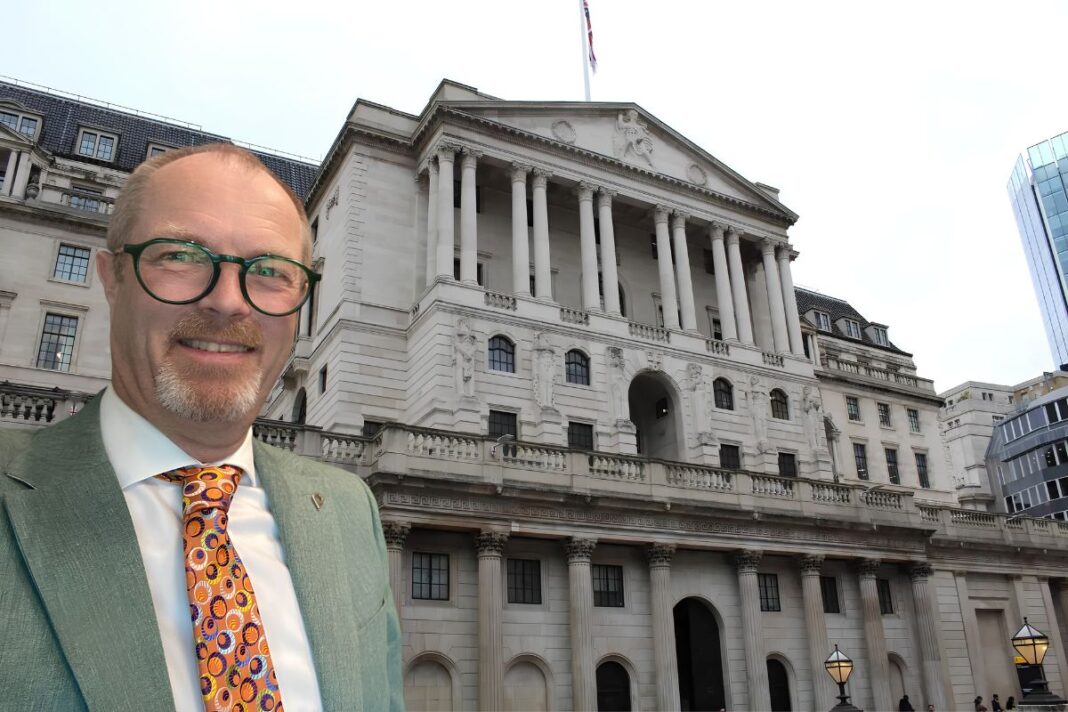
Liam Bailey (main picture, inset), Global Head of Research at Knight Frank, says: “The luxury branded residential sector is one of the strongest growth stories in global real estate.
“The market has trebled in size over the past decade, and we expect it to double again within the next five years.
“We believe demand will continue to absorb this new supply, but competition is intensifying. As a result, the pace of innovation across the sector is accelerating rapidly as brands seek to differentiate themselves and stay ahead of the pack.”
INDUSTRY REACTION
James LaVelle, Managing Director of Estates & Developments at IDILIQ Group, says: “Particularly over the past five years, we have registered a growing number of buyers who want to shift their focus from owning a second home abroad to branded properties.
“Tighter home ownership regulations for foreign nationals are a key driver for this trend. Some of the most popular second home destinations have been introducing measures, such as higher taxes, in a bid to reduce interest from foreign buyers and make housing more affordable for locals.
“As a result, investors are seeking other options which is boosting enquiries for branded residences that form part of a hotel. These properties are categorised as tourist accommodation and won’t be affected by looming second home regulations, making them an attractive alternative to traditional second homes.”
CHANGING CONSUMER PRIORITIES
João Richard Costa, CCO at Ombria Algarve, says: “Branded residences have always been a popular choice amongst property buyers for their elevated service and the fact that they are managed by a highly-experienced team.
“As consumer priorities are changing, so are the brands and lifestyle offerings that today’s branded residences provide. It’s important to go with the times in order to stay relevant to buyers, investors and holiday makers.
LIFE DECISION
Patricia Casaburi, CEO of Global Citizen Solutions adds: “For a growing number of our clients, a residency abroad isn’t merely a financial instrument, it’s a life decision.
“Cost and compliance matter, but so does the everyday texture of life in a new country: schools, healthcare, and community.”