


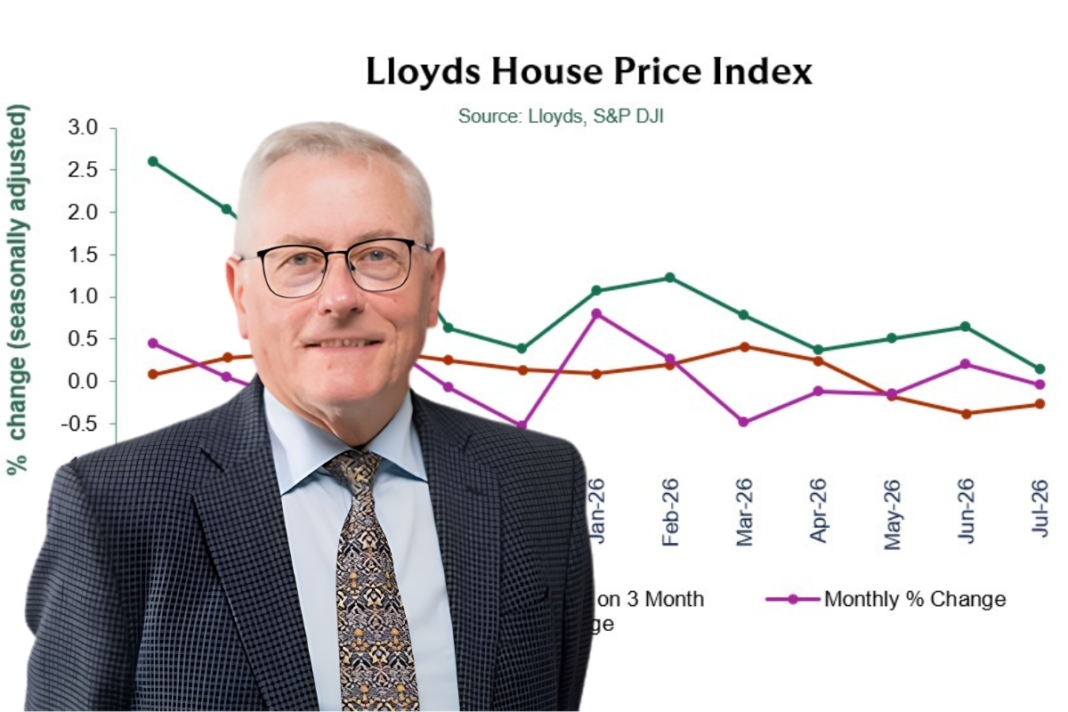
The UK housing market did not grow in July, according to the Lloyds House Price Index, and growth remains sluggish in the longer term, with prices growing by only 0.1% year-on-year.
A shortage of residential properties for sale on the market has prevented prices from collapsing, but overall activity remains far below the levels seen when record-low mortgage rates just a few years ago fuelled a surge in demand.
The housing market continues to face a huge challenge: affordability. According to Lloyds Bank’s Affordability Review released late last year, the typical first-time buyer house costs nearly 6 times average annual earnings.
For aspiring homeowners, the biggest hurdle is no longer simply finding the right property – it is raising a deposit and passing increasingly demanding mortgage affordability tests.
AFFORDABILITY ISSUES
There is an even more stark picture of affordability when viewed across the UK’s regions. Data from the Office of National Statistics released in March show that the median home in London costs more than ten times typical annual full-time earnings, leaving many younger house buyers priced out of the capital altogether.
More affordable regions such as Scotland, Northern Ireland and parts of Northern England continue to record more buoyant demand, reflecting a more sustainable balance between average house prices and local incomes.
“This is an issue that Prime Minister Burnham cannot afford to ignore.”
This is an issue that Prime Minister Burnham cannot afford to ignore, but the upcoming Budget is unlikely to do anything to tackle this. The Prime Minister has suggested that it’s too early to talk about changes to property taxes, including stamp duty.
If capital gains tax was to be equalised with income tax, this could encourage people to hold on to their second homes rather than sell, decreasing market supply and driving up prices – but this would not make a substantial difference.
The issues remain affordability and supply. Measures to ease the cost of living have been introduced already, but these remain small, unlikely to shift the balance in favour of potential homeowners.
At the same time, the Prime Minister has committed to the largest drive in council house building since the Second World War. Increasing the supply to match demand would help to ease affordability concerns, but, as previous administrations have shown, this is a monumental task. Until the gap between earnings and property prices narrows much more substantially, affordability will remain the defining challenge facing the UK housing market and the next generation.