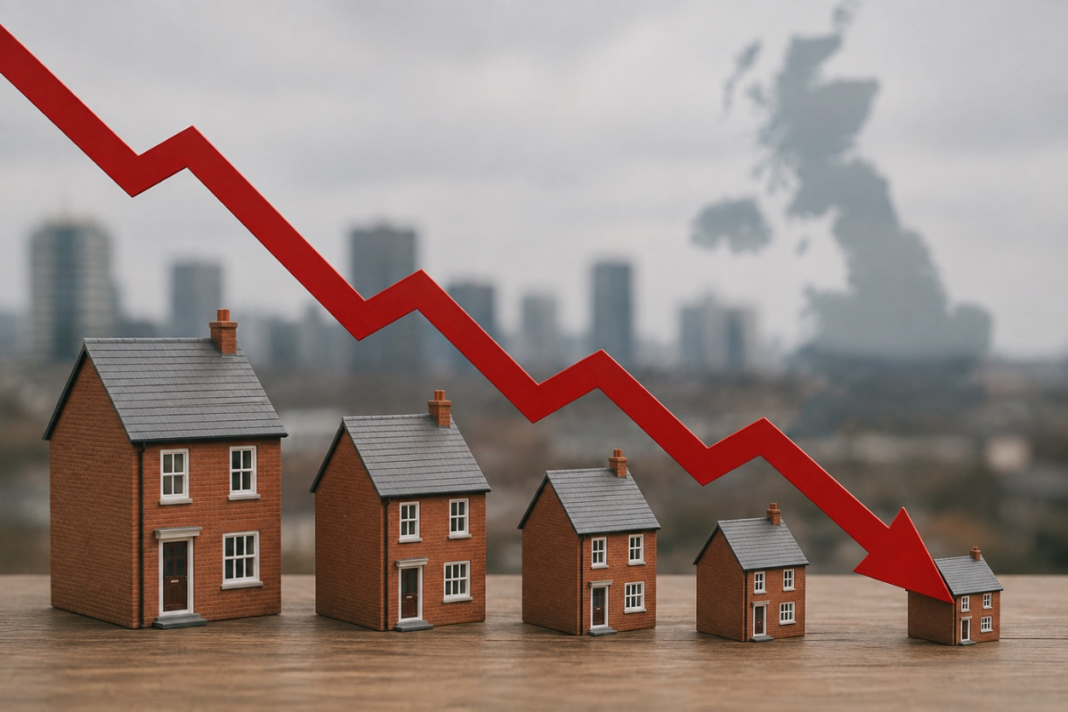
More than six in 10 property transactions are taking longer than the typical six-month validity period for property searches – potentially exposing buyers and sellers to additional delays and costs.
TwentyEA data shows 60.8% of transactions reaching exchange in 2026 take more than six months from the point an estate agent is instructed.
That compares with 36% in 2019 and comes as the average time between a property being listed and reaching exchange stretches to around seven months.
Most property searches are considered valid for six months, while mortgage lenders will typically require expired searches to be updated or appropriate search indemnity insurance to be arranged before releasing funds.
TRANSACTION TIMES LENGTHEN
TwentyEA’s latest Property & Homemover Report shows the overall home-moving process has lengthened considerably since before the pandemic.
In 2019, the average transaction took around five-and-a-half months from listing to exchange, compared with approximately seven months today.
The time required to find a buyer has changed little, remaining at around two-and-a-half months.
Instead, the increase is occurring after a sale has been agreed. The average period between sale agreed and exchange has risen from around three months in 2019 to nearly four-and-a-half months in 2026.
TwentyEA warns longer transactions can increase the risk of fall-throughs and create additional problems for interconnected property chains.
UPFRONT INFORMATION
The issue comes as the Government looks to reform the buying and selling process by moving more property information to the beginning of a transaction.
Nick Huntley (main picture, inset), Director of TwentyEA, says: “As part of the government’s reforms, they propose to initiate the preparation of upfront information, which will include property searches and, eventually, a property condition report.
“These sales packs will need to be provided by sellers and estate agents at the point of listing rather than later in the process when the buyer instructs a conveyancer.
“These property details, provided to buyers and their advisers upfront, should enable faster, more informed decisions and reduce delays, fall throughs and any late surprises. What’s interesting is that these proposals will shift housing transactions from a buyer-led model to a front-loaded seller-led one.”
BUYER DEMAND FALLS 5%
The research also points to a growing imbalance between properties coming onto the market and buyer demand.
Supply is up 2.4% year-on-year to 1,109,403 properties, while demand, measured by sales subject to contract, is down 5.1% to 736,108.
Demand falls across every UK region and price band, with Inner London recording the sharpest decline in England.
Flats see the largest drop by property type, with sales down 9.1% year-on-year. Semi-detached sales fall 4.6% and detached homes are down 4.3%, although demand across all three categories remains above 2019 levels.
Huntley adds: “While demand has dropped, it is still keeping pace with 2019’s market so all things considered, we believe the market is doing pretty well.”