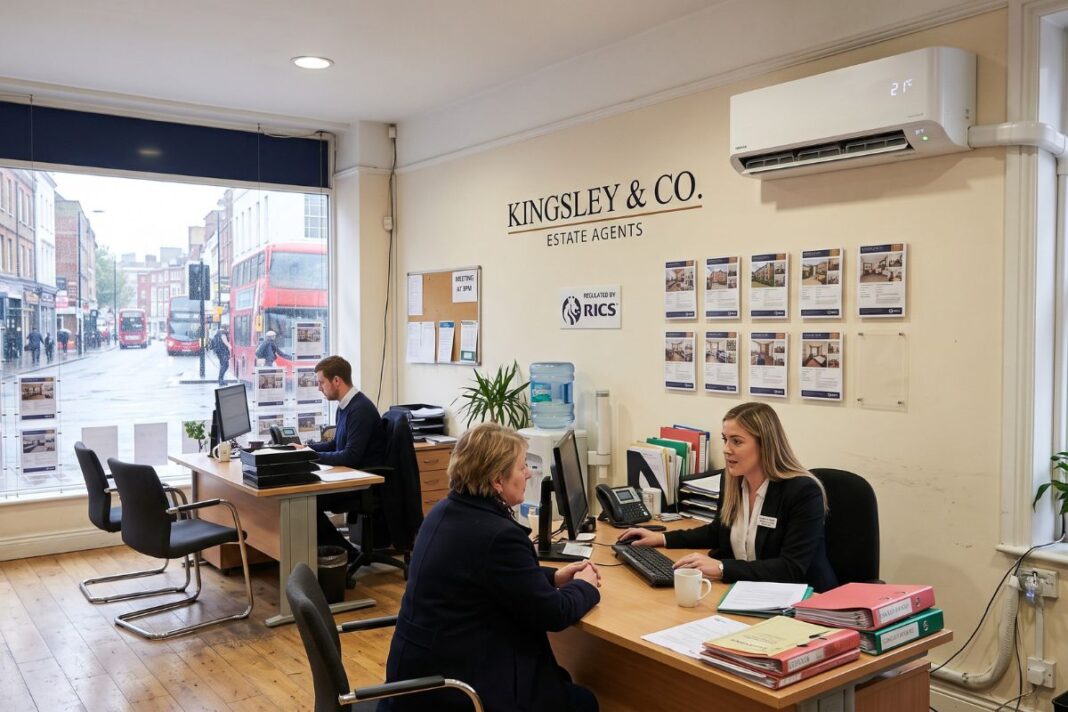
Six in 10 UK businesses have either increased investment to cope with extreme heat or are considering doing so as hotter weather creates new challenges for workplaces and commercial property.
The latest Barclays Business Prosperity Index found 37% of businesses have already increased heat-related investment, with another 23% considering taking action.
Cooling equipment is the biggest priority, with 28% investing in measures including air conditioning and ventilation, while 23% are adopting energy efficiency measures to manage the additional energy consumption.
Barclays’ own client data also points to increasing demand, with air conditioning suppliers seeing cash inflows into Barclays accounts rise by 4.3% year-on-year during the second quarter of 2026.
WORKPLACES ADAPT
Businesses are also changing working practices, with 28% introducing employee wellbeing measures such as additional breaks, 23% offering flexible or remote working and 21% adjusting working hours.
The impact varies considerably by business size. More than a quarter (27%) of small and micro businesses said hot weather had negatively affected productivity, while 47% of larger businesses reported a positive impact.

Jason Constable, Head of Real Estate at Barclays UK Corporate Bank, says: “As extreme heat becomes a more regular operational challenge, UK firms are investing in practical measures to stay resilient, from cooling systems and workplace upgrades to energy efficiency to manage higher energy use and employee wellbeing.
“For consumer-facing businesses, cooler and more comfortable premises can also help protect footfall, dwell time and day-to-day trading during hotter periods.
“That presents a clear opportunity for heating and cooling, retrofitting, facilities management, and wider sustainability providers. As demand grows across both business and consumer markets, these sectors can play an important role in helping firms adapt, protect productivity and build long-term resilience.”
HEAT CHANGES SHOPPING HABITS
Hotter temperatures are also influencing how consumers use shops and other commercial premises.
Barclays’ Consumer Spend research found consumers consider 25.1°C the maximum comfortable temperature for shopping, compared with an ideal summer temperature of 24.6°C.
Card spending increased 2% year-on-year during July, with spending at garden centres and on clothing both rising 2.4%. One in five consumers said they bought lighter, cooler clothing in response to the heatwave.

Gavin Parker, Head of Property Services at Barclays UK Corporate Bank, says: “As businesses invest in cooling, ventilation, energy efficiency and wider workplace upgrades, facilities management providers are well placed to help organisations adapt to the challenges of extreme heat.
“From retrofit projects to improving building performance, the sector has a key role to play in helping businesses protect productivity and employee wellbeing.
“As demand for these services grows, access to finance to support expansion and investment will be critical. Through initiatives such as the Barclays Business Prosperity Fund, we’re helping businesses invest in projects that strengthen resilience and support long-term growth.”