


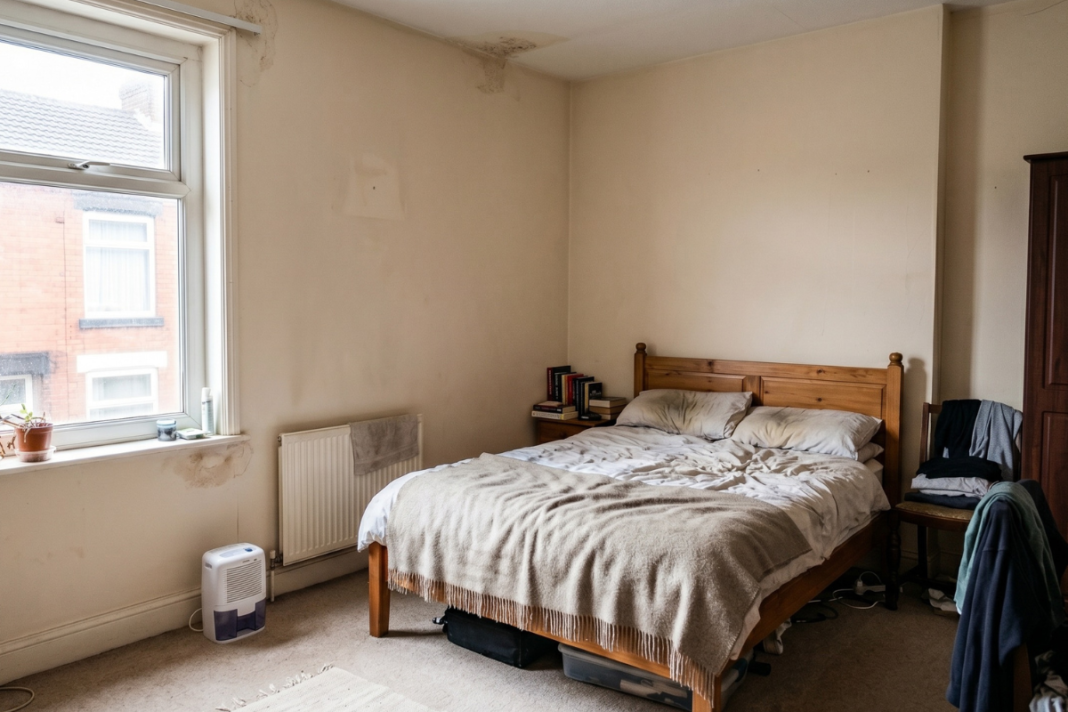
Scottish letting agents are being urged to prepare for strict new damp and mould deadlines coming into force next month.
From 6 October, private and social landlords will have to investigate reports of damp and mould within 10 working days under Scotland’s implementation of Awaab’s Law.
Tenants must then receive a written summary of the investigation within three working days of it being completed, while required repairs must normally begin within five working days of the investigation concluding.
The changes will create new practical considerations for letting agents and property managers around reporting, inspections, record keeping, property access and contractor availability.
STRICT DEADLINES
Propertymark is holding a webinar on 1 October to examine how agents should adapt their procedures ahead of the new regulations.

Hazel MacIver, Policy and Campaigns Officer at Propertymark, says: “The new damp and mould regulations introduce clear timescales, but for agents the practical questions are just as important as the legal requirements.
“How do you respond when a report comes in? Who is competent to investigate? What happens when the cause is not immediately obvious, or when a repair cannot be completed within the required timeframe?”
Scottish Government guidance says investigations must be undertaken by a competent person, although no particular qualification is prescribed. Where the cause cannot immediately be established, further investigation or specialist expertise may be required.
REPAIRS AND RECORDS
Where substantial damp or mould is identified, private landlords must begin necessary repair work within five working days and complete it within a reasonable period. The work should address the underlying cause rather than simply removing visible mould.
Where deadlines cannot be met for reasons outside a landlord’s control, tenants must be informed and reasonable steps taken, where practicable, to minimise the impact while the problem is being addressed.
Propertymark says agents should therefore consider contractor availability, access to damp and mould specialists and the records needed to demonstrate the action taken.
MacIver adds: “This webinar is designed to get into those practical considerations and give agents the opportunity to hear directly from legal, policy and industry experts, as well as raise their own questions.”
The webinar takes place online from 2pm to 3pm on Thursday 1 October 2026 and agents can register HERE.