Households in rural and coastal areas may struggle to find qualified installers to carry out energy-efficiency improvements according to new analysis from Uswitch.
The comparison service ranked local authorities in England and Wales using the proportion of properties with lower EPC ratings, the age of the housing stock and the number of TrustMark installers available for every 10,000 D–G-rated homes.
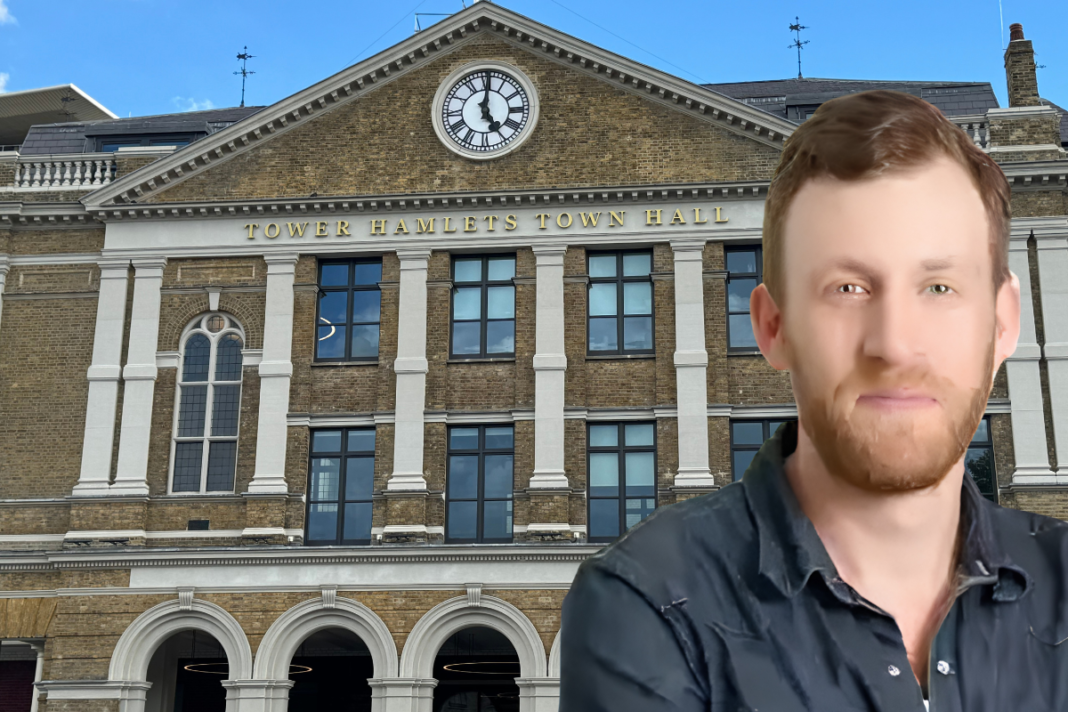
Tower Hamlets was named the area best prepared for retrofit demand, achieving 9.99 out of 10. Some 85% of homes in the London borough have an EPC rating between A and C, while it has 529 TrustMark installers per 10,000 lower-rated properties.
Southwark ranked second with 9.63, followed by the City of London at 9.41. Six of the 10 highest-scoring areas are in the capital, with Eastleigh, Dartford, Knowsley, Milton Keynes, Salford and Slough completing the top 10.
GEOGRPAHICAL DIVIDE
At the other end of the table, the Isles of Scilly recorded a score of just 0.29. Almost nine in 10 homes have a D–G EPC rating, 79% were built between 1900 and 1990 and no retrofit installers are listed locally on TrustMark.
New Forest was the second least-prepared area with a score of 1.00, followed by Westmorland and Furness at 1.03. Rhondda Cynon Taf, High Peak, North Norfolk, Rother, Cumberland, Staffordshire Moorlands and Erewash also appeared in the bottom 10.
Uswitch said the findings revealed a geographical divide between cities with relatively strong access to accredited tradespeople and rural communities with older, less energy-efficient homes.
NET ZERO TRANSITION
Ben Gallizzi (main picture, inset), energy expert at Uswitch, says: “Improving the energy efficiency of the UK’s homes is a crucial part of reducing energy consumption, lowering household bills, and supporting the transition to net zero.
“In many parts of England and Wales, older housing stock and lower energy performance ratings suggest upgrades will be needed, but installers are essential for making this happen.
“If you live in the wrong postcode, warming up your home might not just be expensive — it may genuinely be hard to find someone qualified to do the work.
“While many cities benefit from a higher concentration of qualified installers and support services, rural areas often face greater challenges in accessing the expertise needed to upgrade homes and improve energy efficiency.
“Ensuring households can access improvements and benefit from warmer homes and lower energy costs is a significant step to reducing emissions in the long-term.”