A record proportion of first-time buyers are now being dragged into paying stamp duty as rising house prices and lower tax thresholds increase the upfront cost of getting onto the property ladder, according to new analysis from Connells Group.
The research found that 30% of first-time buyers in England are now purchasing homes priced above £300,000, the highest proportion on record and double the level seen a decade ago.
As a result, a growing number are facing stamp duty bills at a time when affordability remains stretched.
The increase follows changes introduced in April 2025, which reduced the nil-rate threshold for first-time buyers from £425,000 to £300,000. Prior to the change, just 10% of first-time buyers were purchasing above the higher threshold.
UPFRONT COSTS
London remains by far the most affected market. Connells found that 78% of first-time buyers in the capital now pay stamp duty, up five percentage points year-on-year and the highest proportion of any region. The average stamp duty bill for those buyers stands at £12,690.
Outside London, the East of England and South East are also seeing growing numbers of first-time buyers pulled into the tax net, with 40% and 38% respectively purchasing above £300,000. Even traditionally more affordable regions are seeing the trend emerge, with 14% of first-time buyers in the North West and 13% in the West Midlands now paying stamp duty.
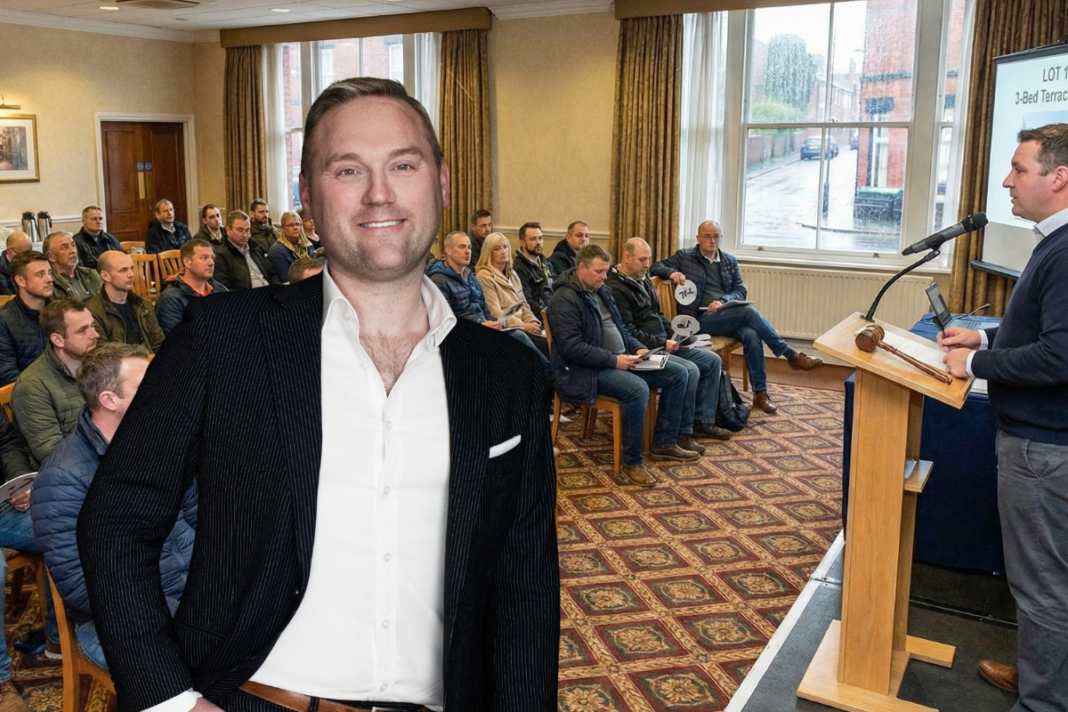
Aneisha Beveridge (main picture, inset), Research Director at Connells Group, says: “For a growing number of first-time buyers, getting onto the housing ladder means saving for more than just a deposit.
“Stamp duty is becoming a bigger part of the upfront cost of buying, particularly as more people purchase their first home later in life and opt for larger, more expensive properties that can meet their needs for longer.”
AFFORDABILITY PRESSURES
The report also suggests first-time buyers are becoming increasingly tactical when negotiating purchases.
Since the stamp duty changes came into force, buyers have secured larger discounts from asking prices, with average agreed prices rising by just 0.7% despite a 5% increase in asking prices.
Connells found that 36% of first-time buyer offers on homes initially marketed above £500,000 were ultimately negotiated down to £500,000 or below, allowing purchasers to retain first-time buyer relief.
The trend is particularly pronounced in London, where almost half (48%) of first-time buyers purchasing homes above £500,000 successfully negotiated the price down below the threshold.
Connells said the findings reflect both increasing affordability pressures and changing buyer behaviour, with many first-time purchasers opting for larger homes and attempting to future-proof their move in order to avoid paying transaction costs again in the near future.