Propertymark is calling for clarity over government plans to give councils stronger powers to take over poor-quality rental homes where landlords repeatedly fail to bring them up to standard.
Prime Minister Andy Burnham has announced plans to strengthen local authority intervention against landlords who refuse to address serious property condition problems, building on proposals he previously championed as Mayor of Greater Manchester.
Burnham has previously advocated a “three warnings and you’re out” approach under which landlords would be given deadlines to improve substandard properties before councils could pursue compulsory purchase.
However, details of how the new national powers would operate – including the circumstances in which a council could take control or ownership of a property and what would happen to an existing tenant – have yet to be set out.
STRONGER POWERS
The proposal comes alongside a significant expansion of local authority enforcement across the private rented sector.
Councils already have powers to inspect privately rented homes and take enforcement action over serious hazards, while the Renters’ Rights Act strengthened penalties for breaches and expanded local authority enforcement responsibilities.
Further reforms will extend the Decent Homes Standard and Awaab’s Law to the private rented sector, although implementation dates for those measures have yet to be confirmed.
Burnham’s latest proposal would potentially go further by providing a route for councils to intervene where landlords repeatedly refuse to carry out required improvements.
The approach has roots in Greater Manchester, where Burnham previously backed stronger inspection and enforcement alongside improvement plans for landlords whose properties failed to meet acceptable standards.
PROPERTYMARK QUESTIONS
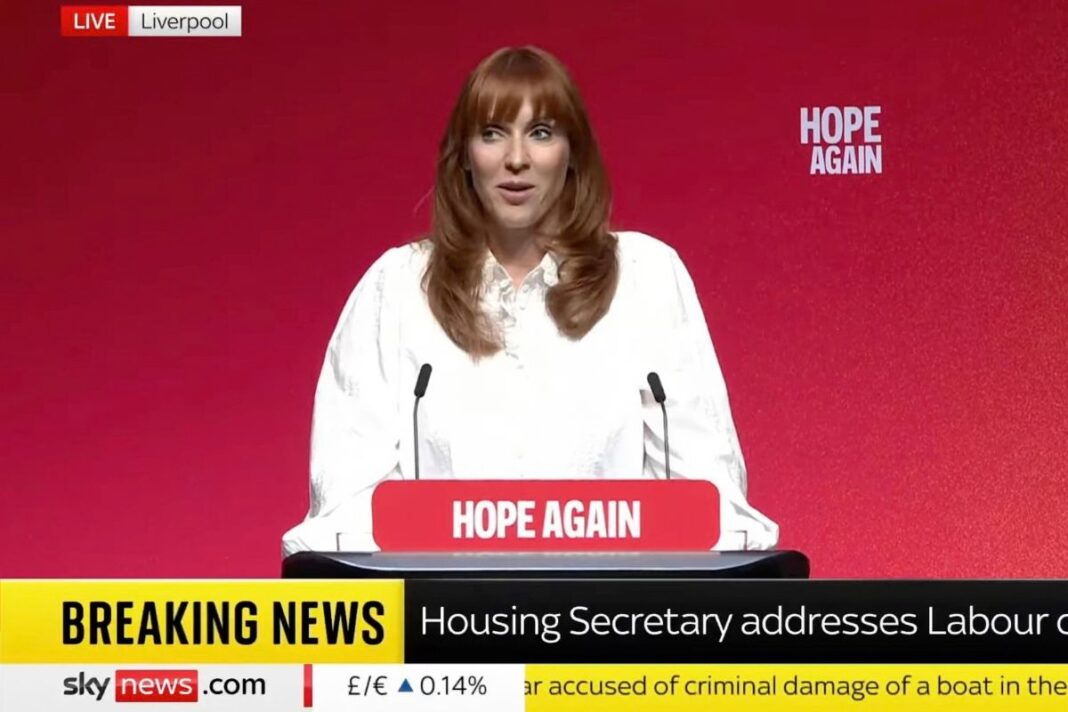
Timothy Douglas (main picture, inset), Head of Policy and Campaigns at Propertymark, says: “Addressing poorly maintained properties should remain a key concern, with local authorities across England working closely with residents, landlords and property agents to understand why properties may fall below the required standard.
“Every case will have different circumstances, so any proposals must be proportionate and recognise the individual circumstances of the property and those living in it.
“Further clarity is needed on how the proposals would work in practice, including carrying out remedial work with a tenant in situ, the responsibilities of different parties, and how properties would be managed if they passed into local authority control or ownership.”
LANDLORD REGISTER
Propertymark argues councils will shortly have another significant enforcement tool through the government’s new Register Your Rental Property service.
The national scheme starts its regional rollout on 15 December in the West Midlands before moving across England over the following 12 months.
Landlords will be required to register each property and pay an annual £65 fee, while councils will gain access to information intended to help enforcement teams identify and target non-compliance.
Douglas adds: “With the new ‘Register Your Rental Property Service’ being implemented for landlords from December, councils will have greater access to information to support targeted, intelligence-led enforcement.
“The focus should be on making better use of existing tools rather than simply adding another layer of legislation and potentially damaging relationships between good landlords and government. Any new proposals should deliver a fair, proportionate and tailored approach that achieves sustainable, long-term outcomes.”
SEPARATE EMPTY HOMES REFORMS
The proposals are separate from reforms announced by the government on Sunday covering long-term empty homes.
Those changes reduce the period a home must be vacant before becoming eligible for an Empty Dwelling Management Order from two years to six months.
An EDMO allows a council to take over the management of an empty property and return it to occupation for up to seven years, but ownership remains with the existing property owner.
The government is also removing some evidential requirements councils currently face when applying to the Residential Property Tribunal for an EDMO.