


Estate, letting and managing agents will be required to hold licences and appropriate qualifications under government plans to introduce independent regulation of the property agency sector.
The new regulator will have powers to establish codes of practice covering areas including standards of conduct and complaints handling, with agents who fail to meet required standards potentially losing their licences.
The government has also confirmed plans to legislate for powers to cap fees charged to leaseholders and homeowners on privately managed estates for permissions and administrative services.
The measures mark a significant step towards statutory regulation of property agents following years of debate over professional standards across the sector.
MANDATORY LICENSING
The announcement goes further than the government’s previous home buying and selling reform roadmap, which proposed consulting in 2027 on mandatory qualifications for estate and letting agents and introducing a non-statutory Code of Practice.
Plans for wider regulation have been discussed for considerably longer. The Regulation of Property Agents working group, chaired by Lord Best, recommended an independent regulator, mandatory and legally enforceable Code of Practice and minimum qualification requirements in 2019.
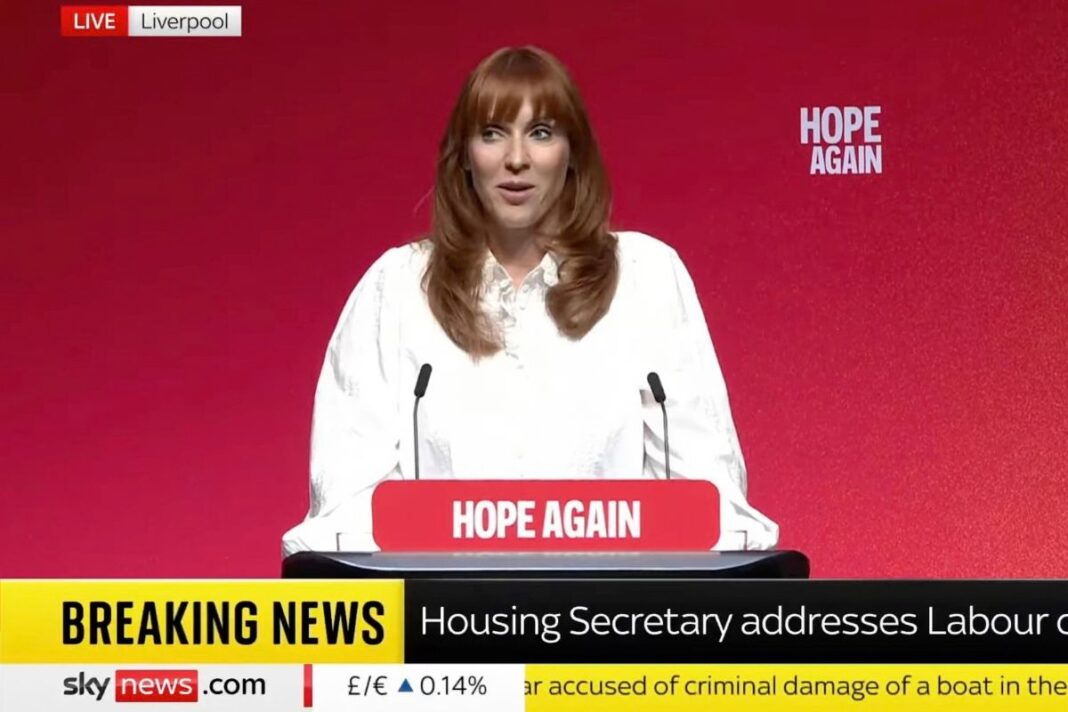
Announcing the plans at the Labour Party conference, Housing Secretary Angela Rayner (main picture) said the sector contained many decent businesses but argued they were being undermined by poor operators.
“Too many cowboys, crooks and con artists.”
She said: “But it’s not just some freeholders that can exploit leaseholders and tenants. Estate agents, letting agents and property management agent can do to.
“A sector with many decent businesses of course. But they are undermined and undercut by far too many cowboys, crooks and con artists. And homeowners and renters and leaseholders pay the price through hidden fees and traps.
“People who should be excited about buying a home are tricked into using overpriced in-house services. Unqualified, unlicensed and unregulated agents are taking thousands from their clients and mishandling their money. With no transparency or accountability, vultures can take advantage.
“At my brief time as a backbencher, I said this was a problem. I wish that I had the chance to tackle and urged the government to act. Now, under this prime minister, I’m proud to do so myself.
“Conference we will legislate for an independent regulation to reign these cowboys in. They will be required to follow the rules and if they don’t, their licenses will be taken away.”
NOT A GOOD LOOK

Trevor Abrahmsohn, Chief Executive of Glentree International, says: “I never thought there was any subject on which the Housing Secretary, Angela Rayner, and I would share a common platform.
“Her comments today at the Labour Annual Conference about a crackdown on ‘cowboy property agents’ and hidden fees, are spot on!
“Leaseholders and their managing agents do ‘take the micky’ on occasion by charging £250 for a licence to keep a pet and £400 to change the front door, which is totally unacceptable.
“I am not saying that these ‘rip-off’ merchants’ are abundant, so I wouldn’t call it an epidemic, but where it does exist, it should be stopped and as a veteran estate agent of 52 years standing, I lend my complete support to this.
“Fairness and equity need to percolate through to all levels and this initiative, I hope, will gain traction.”
“Trying to legislate for sequestration of private property is a very dangerous move.”
And he adds: “Trying to legislate for sequestration of private property is a very dangerous move and has overtures of the most oppressive regimes from the ugly past of world history.
“Once you infringe common law and civil rights of ownership, you’re going into a murky world which I don’t think any government should be associated with, who is self-respecting.”
“Before you look around you have a facsimile of Nazi Germany.”
“If these laws are implemented there could be wholesale abuse, and in the wrong hands, leverage against perfectly innocent landowners, which must be avoided.
“Fortunately, in civil tolerant Britain, the right of any individual to use an asset as they wish has to be inviolate and sacrosanct.
“Otherwise, assets such as cars, boats and planes could be subject to the same legal enforcement and before you look around you have a facsimile of Nazi Germany before the War.
“Not a good look Mr. Prime Minister, may I suggest, and a very unfortunate association.”
INDUSTRY BACKING
Propertymark also welcomed the move, arguing professional agents are currently at risk of being undercut by operators that do not invest in qualifications, training and compliance.

Nathan Emerson, CEO of Propertymark, said: “Propertymark has long campaigned for action in this area and welcomes the UK Government’s commitment to stronger regulation of property agents.
“Professional property agents are increasingly being undercut by unqualified and inexperienced operators who are not held to the same professional standards.
“This is unfair to responsible businesses that invest in qualifications, training and compliance, and leaves consumers exposed to poor practice without adequate protection.
“Building on the professional standards, structures and good practice already established across the sector will be critical to making this a success and ensuring the new regime is understood, enforced and adhered to consistently.
“Propertymark looks forward to working constructively with the UK Government to ensure regulation delivers higher standards, effective enforcement and a genuinely professional property sector.”

Jason Charles, Head of Education at Rightmove, said: “We support the government’s commitment to formal regulation in the property industry, which is something many agents have been getting ahead of through official education for their teams.
“We first made official qualifications available for agents back in 2022, and over the past year demand has surged by 128%.
“Rightmove research shows seven in 10 home-movers would prefer to work with a qualified agent, while over 70% of renters and homeowners believe agents should hold formal qualifications.
“Agents play a critical role in helping people navigate one of life’s biggest decisions, and clear standards, qualifications and effective regulation can help improve consumer confidence. We look forward to working with the government on the proposals.”
‘BEEN HERE BEFORE’

Tim Hyatt, Head of Residential at Knight Frank, said: “Stronger regulation of estate agents is the right way forward. Greater transparency around fees, services and the way agents operate should be at the heart of the industry, and Knight Frank welcomes measures that improve accountability and professional standards.
“Done properly, regulation could create a true level playing field, helping to tackle poor practice, build consumer trust and raise standards across the sector.”

Sean Hooker, Head of Redress at Property Redress, welcomed the announcement but cautioned that previous attempts at regulation had failed to result in legislation.
He said: “This issue has never been particularly controversial within the sector, with industry leaders consistently calling for tighter regulation, mandatory qualifications and effective enforcement.
“Despite warm words and the establishment of the RoPA working group, which produced a comprehensive blueprint for how regulation could work, successive governments have failed to grasp the nettle and get something meaningful onto the statute books.
“This new promise and full-blooded endorsement of the policy by the Secretary of State, under the banner of Hope Again, gives us optimism that this measure will be rapidly implemented.”
LEASEHOLD FEES
Alongside agent regulation, ministers will legislate to give the Secretary of State powers to introduce caps on permission fees charged to leaseholders for requests such as keeping a pet or making alterations.
The powers will also cover homeowners on privately managed estates and administrative charges for providing documents such as building safety certificates or recording a change of mortgage provider. A consultation will determine which charges should be capped and at what level.
The move follows other leasehold reforms already under way, including measures intended to improve transparency around service charges and give leaseholders greater ability to challenge unreasonable costs.
Hooker added: “We tackle complaints from leaseholders about property managers, and these are some of the most fractious cases we see. The property management industry, on the whole, provides a good service in difficult circumstances, but is often hamstrung by unfair lease restrictions that can impose unreasonable or unnecessary limitations on leaseholders.
“This imbalance, where often faceless freeholders hold all the cards, needs to be addressed with the introduction of a register and redress for these landlords, as well as clear and transparent charges and responsibilities.”
HOME MOVING REFORM
The Conveyancing Association said regulation would become particularly important as the government pushes ahead with wider reforms designed to provide more property information earlier in the home moving process.

Beth Rudolf, Director of Delivery at The Conveyancing Association, said: “The Conveyancing Association very much welcomes the Government’s commitment to regulating property agents. Estate agents are a key part of the home moving process but, unlike many of the other professionals involved, they have not previously been subject to the same form of professional regulation.
“That becomes even more important as the Government introduces its home buying and selling reforms and places greater focus on material information being provided upfront.
“We have been calling for regulation through our work with the All-Party Parliamentary Group for Commonhold and Leasehold Reform and Parliamentary Select Committees, and an independent regulator should also mean the cost of enforcement sits with regulated members rather than the public purse.
“Crucially, it should help ensure agents are properly educated, qualified and kept up to date with the considerable amount of new legislation affecting the sector.
“We are also pleased to see the regulator’s role extending to the administrative costs and timescales for providing LPE1 and FME1 information, with the aim of ensuring this is supplied for a reasonable fee and within a reasonable period.
“Our own data shows it takes an average of 54 days from payment to obtain this information, which is clearly far too long when we are trying to create a quicker and more certain home moving process.
“We would like the same approach to cover the Commonhold Property Enquiries form, the CPE1, which we are currently working on with the wider industry working group.
Effective regulation, combined with clear standards around material information and the information required to progress a transaction, can play a major part in making the Government’s wider reforms work in practice.”

And Isobel Thomson, Chief Executive of safeagent, the UK’s largest not-for-profit accreditation scheme for lettings and management agents, says: “Professional agents, and certainly safeagent firms, have nothing to fear from the introduction of regulation.
“They already comply with existing legislation, adhere to professional standards and always place the consumer at the heart of what they do.
“Of course, as always, safeagent is here to guide its member agents through the process and requirements, whether that is with updates or accessing Ofqual-approved qualifications.”