


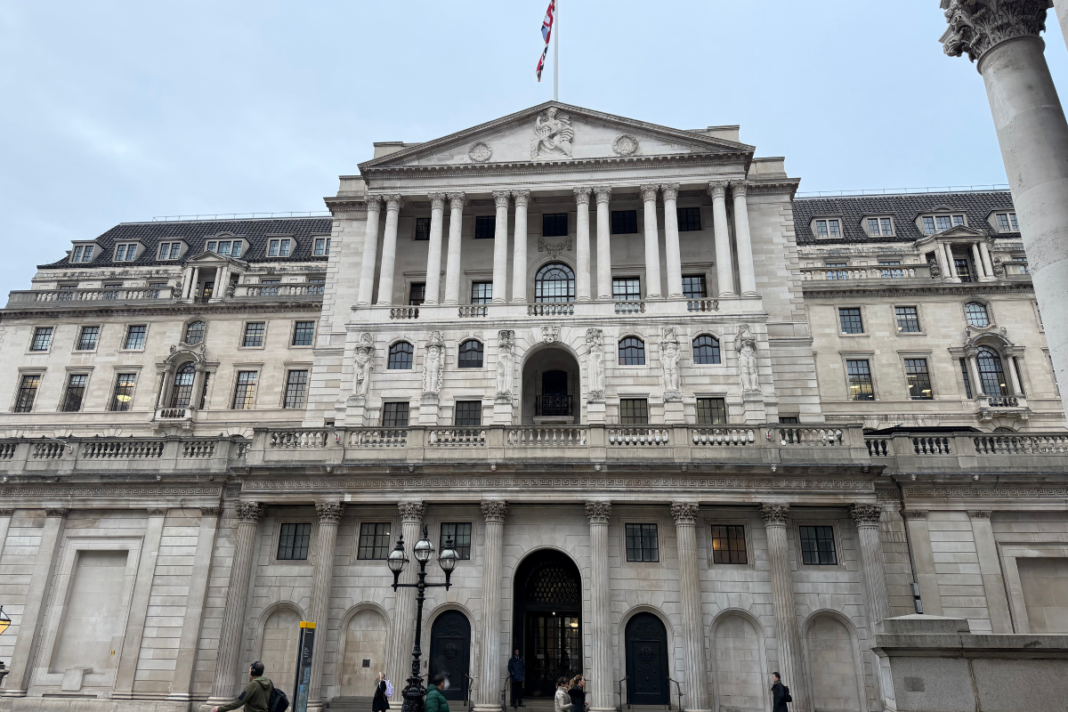
Mortgage borrowing increased in March as remortgage activity picked up sharply, according to the latest figures from the Bank of England.
Net borrowing of mortgage debt rose to £6.2bn in March, up from £5.2bn in February and above the recent six-month average of £4.9bn.
Mortgage approvals for house purchases edged up to 63,500, slightly higher than February’s 62,700 and broadly in line with recent trends.
The most significant movement was in remortgaging, where approvals surged to 51,300 from 41,200 the previous month.
FUTURE UNCERTAINTY
The increase suggests borrowers are moving to secure new deals amid continued uncertainty around interest rates and future borrowing costs.
The figures point to sustained activity in the mortgage market, despite wider economic pressures and affordability constraints.
Consumer credit borrowing dipped slightly to £1.9bn from £2.0bn, although it remained just above the six-month average.
Within this, credit card borrowing was unchanged at £0.7bn, while borrowing through other forms of credit, including personal loans and car finance, fell modestly.
Business borrowing also increased, with private non-financial companies raising £3.6bn in March, up from £2.9bn in February.
The data suggests both households and businesses continue to access credit, although mortgage activity remains sensitive to expectations around rates and economic conditions.
INDUSTRY REACTION

Nathan Emerson, CEO of Propertymark, says: “While it is positive to witness continued momentum regarding lending, we must be mindful of potential longer-term impacts due to current global unrest.
“We have witnessed inflation nudge back upward to 3.3%, which may influence future base rate decisions across the summer months.
“Additional pressure on household finances often gets translated to consumer level as an ‘aftershock’, sometimes many months in delay.
“However, already there have been instant burdens for consumers to deal with, such as price increases on general household items, and we have additional hikes to consider, such as how Ofgem might react regarding the next energy price cap review, which is due to take place next month.
“Currently, it is a case of being extra vigilant on monthly spending, considering that some outgoings may climb upwards as the year plays out.”
RESILIENT MARKET

Jason Tebb, President of OnTheMarket, says: “Approvals for house purchases – an indicator of future borrowing – rose again in March as buyers and sellers put the inactivity and uncertainty created by the run-up to the Budget behind them and pressed ahead with their plans.
“Of course, these figures reflect decisions made before, and in the early stages of, the conflict in the Middle East when buyers may have been keen to take advantage of competitive mortgage rates they had managed to secure.
“It demonstrates the ongoing resilience of the housing market and the recent holds in base rate from the Bank of England should further help reinforce this sense of stability.
“Our own property sentiment index suggests resilience and optimism among buyers and sellers. Even against a backdrop of ongoing political and economic turbulence, attitudes towards affordability, property values and moving home remain remarkably consistent.”
GRIM DETERMINATION

Jeremy Leaf, north London estate agent and a former RICS Residential Chairman, says: “What’s particularly interesting about these latest mortgage approvals is that not only are they a good indicator of likely housing market activity over the next few months, they reflect a healthy increase at a time when we might have expected more of a pause with so many other economic distractions.
“We have seen a similar pattern in our offices – a grim determination of the need-not-want-to-moves taking their time as there is plenty to look at but generally still happy to proceed after negotiating best possible terms.”