Mortgage approvals fell to 54,900 in August as property industry figures point to buyer caution, rising borrowing costs and uncertainty ahead of next month’s Budget.
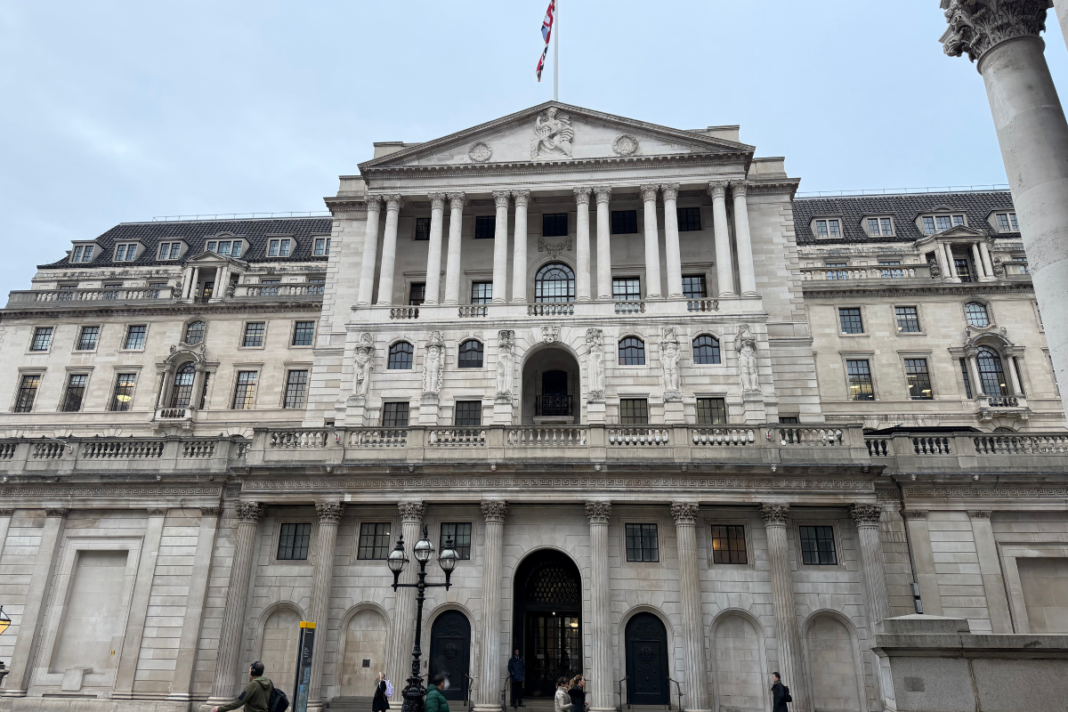
The latest Bank of England figures show approvals for house purchases fell further below the previous six-month average of around 60,100.
Remortgage approvals also declined to 34,000 from 34,600 in July, while the effective interest rate paid on newly drawn mortgages increased from 4.45% to 4.60%.
However, net mortgage borrowing moved in the opposite direction, rising from £4.1bn in July to £4.4bn in August, although it remained below the previous six-month average of £5.2bn.
BUYER CAUTION

Richard Donnell, Executive Director at Zoopla, said: “The latest BoE data shows that rising borrowing costs for home buyers has reduced the demand for mortgages to buy homes.
“This is feeding through into more buyers waiting on the sidelines and fewer housing sales being agreed.
“Average mortgage rates started the year at 4% and are now over 1% higher while the number of homes for sale continues to increase.
“Mortgage rates are set to remain elevated and there is no sign that buyers are prepared to compromise on what they buy meaning buyers either inject more equity or pay more for monthly mortgage payments to secure a home.”

Nathan Emerson, Chief Executive Officer at Propertymark, says the figures reflect continued uncertainty around affordability and consumer confidence.
He says: “It is encouraging to see greater levels of mortgage borrowing starting to return. However, it is disappointing to see overall mortgage and remortgaging approvals dip yet further, clearly pointing towards an economy that remains fluid.
“With household finances continuing to face pressure, it is sensible to remain open-minded about the future direction of consumer borrowing and the wider housing market.”

Jason Tebb, President of OnTheMarket, says ongoing political and economic uncertainty is affecting buyer and seller decision-making.
He says: “With the effective interest rate on newly drawn mortgages also increasing again, to 4.60 per cent in August from 4.45 per cent in July, the impact of higher borrowing costs is making itself felt.”
BORROWING RISES

Jeremy Leaf, north London estate agent and former RICS residential chairman, says the figures present a more mixed picture than the decline in approvals alone suggests.
He says: “Approvals may have slipped a little but on the other hand, net borrowing has gone up so on balance we see buyers and sellers defying the doom mongers and getting on with moving plans, despite nagging worries about rising mortgage costs and inflation.
“However, we have noticed on the ground that the time taken to arrange finance for property purchases is increasing, which may also be contributing to lower approval numbers.”
Leaf says the latest approval figures could provide a useful indicator of buyer intentions and activity heading towards Christmas.
MORTGAGE COSTS

Mark Harris, Chief Executive of mortgage broker SPF Private Clients, says higher mortgage rates are adding to the pressures facing buyers.
The effective rate on newly drawn mortgages increased to 4.60% during August, while the rate across the outstanding stock of mortgages edged up to 4%.
Harris says: “On the ground, some lenders have been increasing pricing in response to volatility in Swap rates, which underpin the pricing of mortgages. However, Swap rates have flattened in recent days and the hope is that this trend will persist, with mortgage pricing settling down.”
BUDGET WATCH
Attention is now turning to the Budget and the Government’s proposed Your First Home scheme, which is expected to provide eligible first-time buyers purchasing qualifying new-build homes with access to a 20% government-backed equity loan and deposits starting at 2.5%.
Emerson says: “Many prospective buyers have understandably been taking a more cautious approach and waiting to see what measures are announced in the Autumn Budget.
“Any initiatives that help support first-time buyers and encourage activity across the housing market could provide valuable momentum for those looking to make their next move.”
Tebb adds that the first-time buyer scheme could provide “some much-needed impetus for the housing market”, although its restriction to new-build properties will limit its reach across the wider market.
Leaf says the Budget could further weigh on confidence among some buyers, although this may be partly offset by the Government’s planned support for aspiring first-time buyers.
“Without a sustained fall in energy prices, leading fixed rates are likely to remain around 4.5%.”

Simon Gammon, Managing Partner, Knight Frank Finance, says: “Buying activity weakened through the summer as rising energy prices pushed up borrowing costs. Lending to homebuyers fell 15% in August compared to the same month a year earlier. At the time, leading fixed rates were edging closer to 4.5% – they’ve since risen to 4.8%.
“The large lenders are doing business with very thin margins in an attempt to retain market share, which leaves them vulnerable to swap rate volatility.
“Without a sustained fall in energy prices, leading fixed rates are likely to remain around 4.5% through the autumn selling season, which will keep a lid on activity.
“The government’s announcement of a first-time buyer support scheme will provide a boost to sentiment, particularly in more affordable parts of the country, but mortgage rates remain the bigger constraint. A meaningful recovery in transaction volumes is likely to require a sustained improvement in borrowing costs.”