

Manchester has recorded the strongest house price growth of any major British city over the last decade while London has seen the weakest performance, according to new analysis from Rightmove.
The property portal found that the average asking price in Manchester has risen by 63% over the last 10 years, increasing from £160,422 to £261,891.
In contrast, London’s average asking price has climbed by just 7% over the same period, rising from £639,593 to £687,080, despite remaining the most expensive city in Great Britain.
The research also highlights the growing influence of Greater Manchester’s suburban markets. Levenshulme, Atherton, Droylsden and Failsworth recorded the strongest local price growth across Britain, with values increasing by around 80% over the past decade.
STRONG PERFORMERS
Wolverhampton, Newport and Nottingham followed Manchester among the strongest-performing cities, with affordability continuing to play a key role in driving buyer demand.
Rightmove’s analysis points to a widening north-south divide in property market performance. No southern England city featured in the top 10 for house price growth, while five southern locations ranked among the slowest-growing markets.
The report suggests higher starting prices in southern markets have limited growth potential, while changing working patterns have encouraged more buyers to consider locations offering greater value for money.
BIG WINNER

Colleen Babcock, property expert at Rightmove, says: “Manchester is a big winner of the past decade, with strong price growth underlining its growing popularity among buyers.
“By contrast, London has seen much slower growth over the same period, reflecting how higher prices in the capital have limited how much further buyers can stretch.
“Looking at the bigger picture, affordability has been a central theme shaping these trends. Areas with lower starting price points have had more room for growth, which has contributed to a widening north-south divide in price growth trends over the last ten years.
“Some of the shifts behind this are continuing to play out, particularly changes in working patterns. Greater flexibility through hybrid and remote working is still influencing where people choose to live, supporting demand in cities that offer better value and a different lifestyle balance.”
EXTRAORDINARY GROWTH
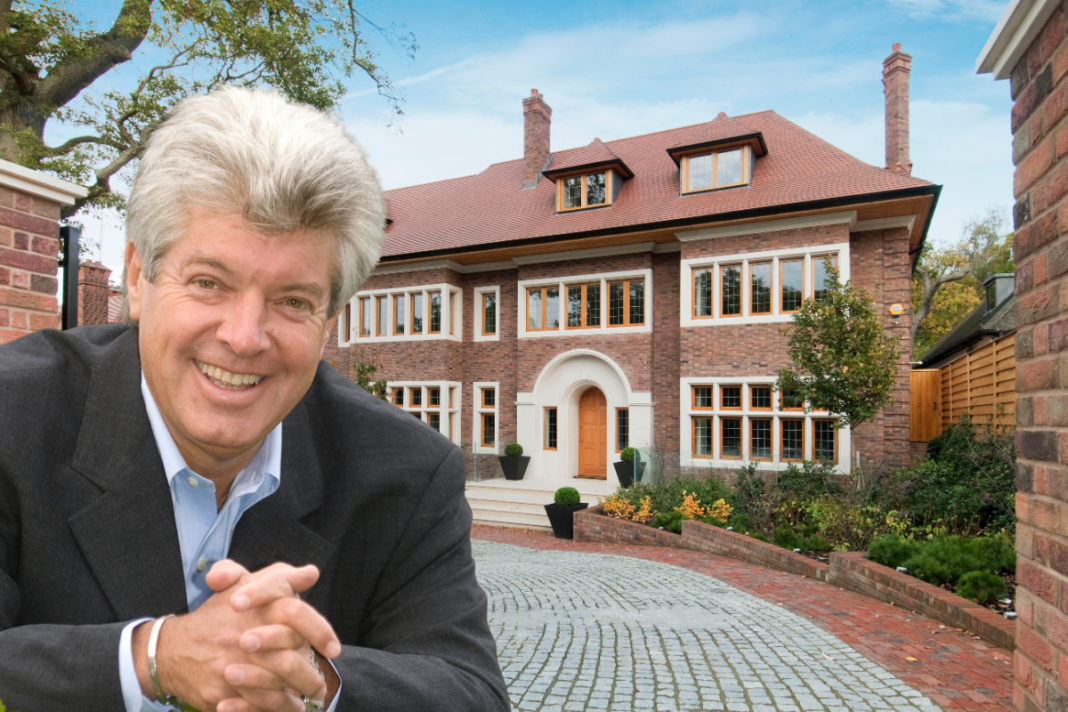
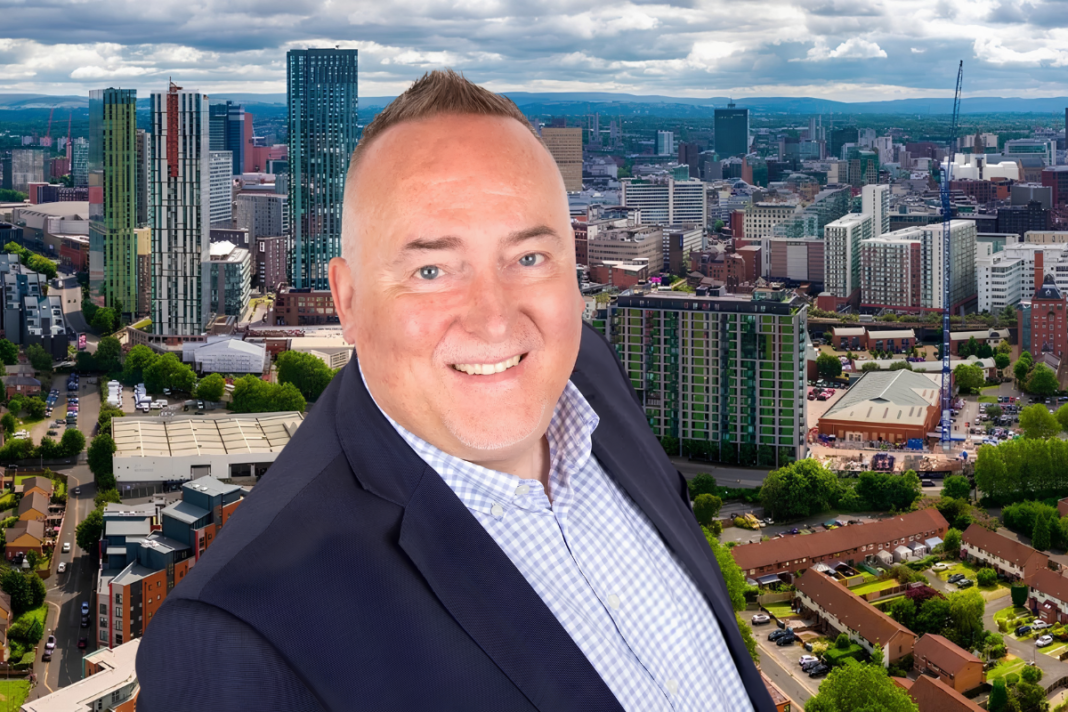
Maurice Kilbride (main picture, inset), Managing Director at Maurice Kilbride Residential Sales, in Cheadle, Greater Manchester, says: “Manchester’s growth over the past decade has been extraordinary. Strong employment opportunities, significant inward investment, excellent transport links and a vibrant lifestyle offering have helped attract people from across the UK and beyond.
“What’s particularly noticeable is that the city’s success has extended well beyond the centre, with surrounding suburbs also benefiting from increased demand as buyers look for a balance of space, connectivity and quality of life.
“Having worked in the Greater Manchester property market for over 25 years, we’ve seen the area’s appeal broaden considerably, helping to support sustained price growth and making Manchester one of the UK’s standout property success stories of the last decade.”
AFFORDABILITY FACTOR

Mary-Lou Press, NAEA Propertymark President, says: “Affordability has become one of the strongest drivers of house price growth over the past decade.
“Cities such as Manchester, Wolverhampton and Nottingham have benefited from lower starting price points, while higher-value markets like London have faced natural affordability constraints.
“Manchester’s success reflects more than affordability alone. Strong economic growth, regeneration, investment, transport improvements and changing working patterns have all helped boost demand, with growth increasingly spreading into surrounding suburbs.
“The data also reinforces a broader shift away from a London-centric market, with regional cities across the North and Midlands emerging as major growth centres.
“Looking ahead, areas that combine affordability with strong economic fundamentals are likely to remain attractive, though increasing housing supply will be essential to maintain accessibility.”