


Buyers are being warned that cheap land can quickly become an expensive mistake if planning restrictions, legal access and utility connections are not investigated before purchase.
The warning follows the closure of UK Land & Farms after 18 years, leaving buyers, sellers and rural property agents searching for alternative specialist marketplaces.
Analysis from LandSale highlights the breadth of the market, which ranges from self-build and development plots to farmland, pasture and woodland.
Its marketplace currently carries 1,842 building plots, 1,059 undeveloped land opportunities, 947 vacant land listings and 634 self-build plots.
INTENDED USE MUST COME FIRST
LandSale says buyers must establish what they want to achieve before beginning their search because each intended use brings different planning, legal and practical considerations.
Purchasing a plot does not automatically provide permission to build or develop it. A site’s existing designation can determine what is possible, while securing planning permission or a change of use may be lengthy and uncertain.
Buyers attracted to comparatively inexpensive agricultural land should be particularly careful about assuming it could eventually become suitable for residential development.
ACCESS AND UTILITIES REQUIRE CHECKS
Legal access is another major consideration. Buyers should establish whether land has direct highway access and examine any rights of way, easements or restrictions affecting its use.
Rural sites may also lack electricity, mains water, drainage, gas or broadband. Establishing these connections can substantially increase the overall cost of a project.
Purchasers should budget for legal work, surveys, searches, Land Registry charges, planning consultants and any environmental or specialist reports alongside the advertised purchase price.
LOW PRICES CAN SIGNAL PROBLEMS
LandSale warns that unusually cheap plots can be affected by flood risk, contamination, restrictive covenants, Green Belt status, Tree Preservation Orders, public rights of way or a history of unsuccessful planning applications.
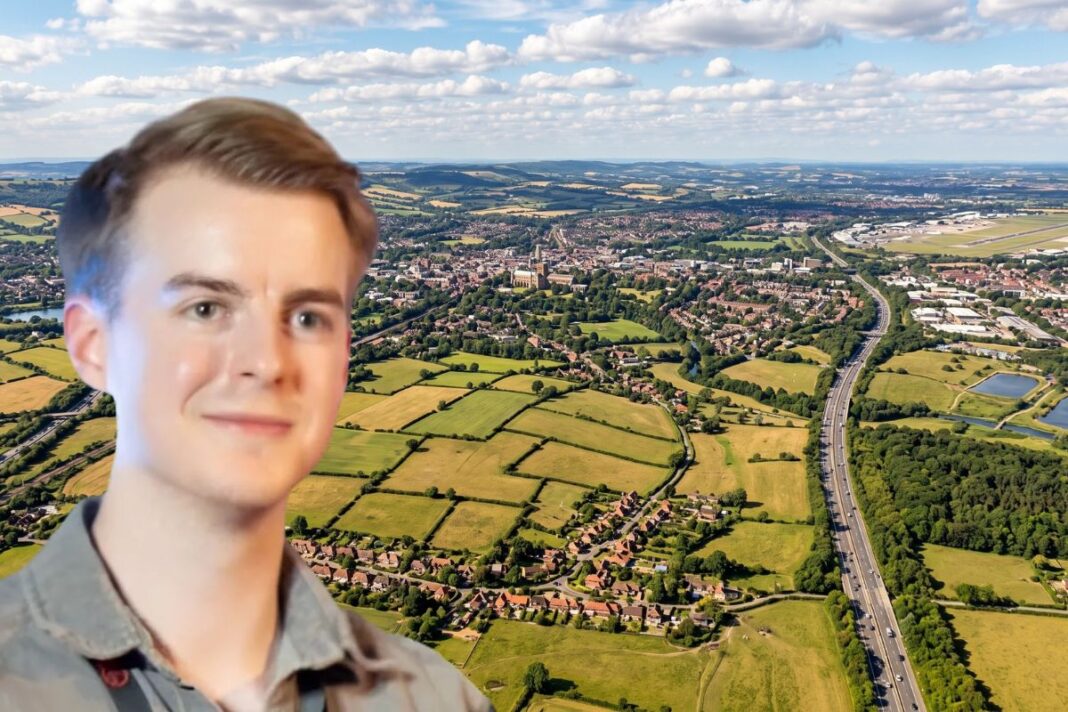
Adam Morris (main picture, instead), Founder of LandSale, says: “The biggest mistake buyers make is assuming land works like residential property. It doesn’t. Before thinking about the asking price, buyers need to understand planning restrictions, legal access, utilities and exactly what they’re hoping to achieve with the land.
“Those questions ultimately determine whether a purchase represents an opportunity or an expensive lesson.”
Morris adds that increased interest in self-build plots, woodland, grazing land and long-term land investment makes access to detailed, specialist information increasingly important following UK Land & Farms’ closure.