

Plans for a third runway at Heathrow could put greater pressure on west London communities and transport infrastructure, with Mayor of London Sadiq Khan warning expansion risks increasing noise, pollution and congestion.
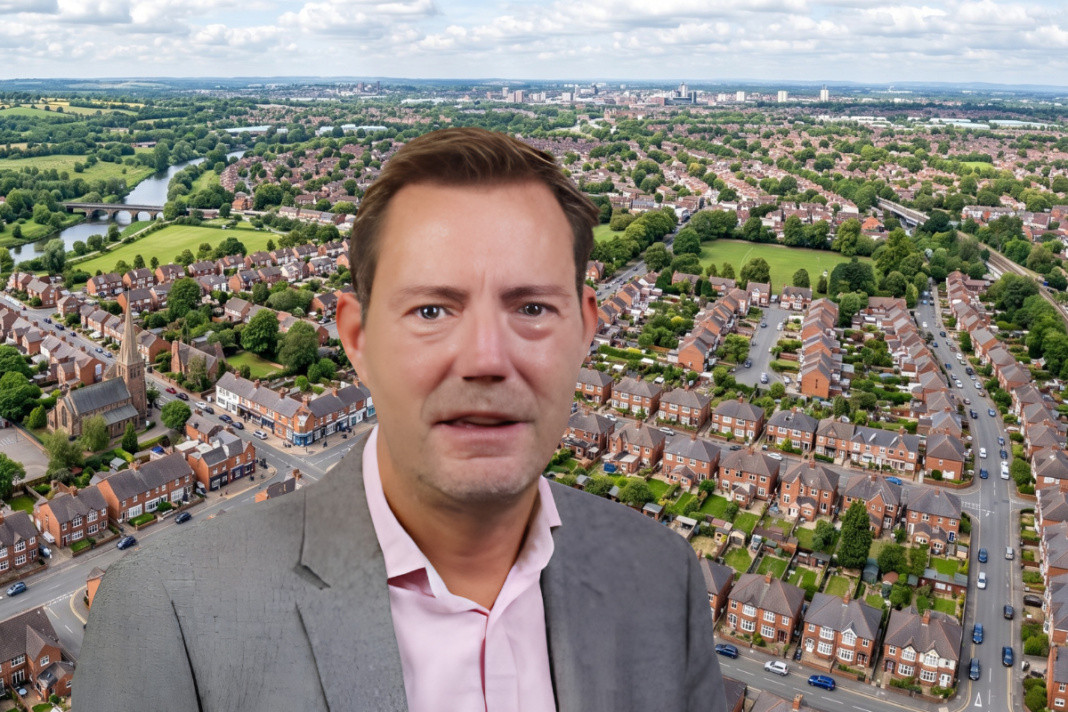
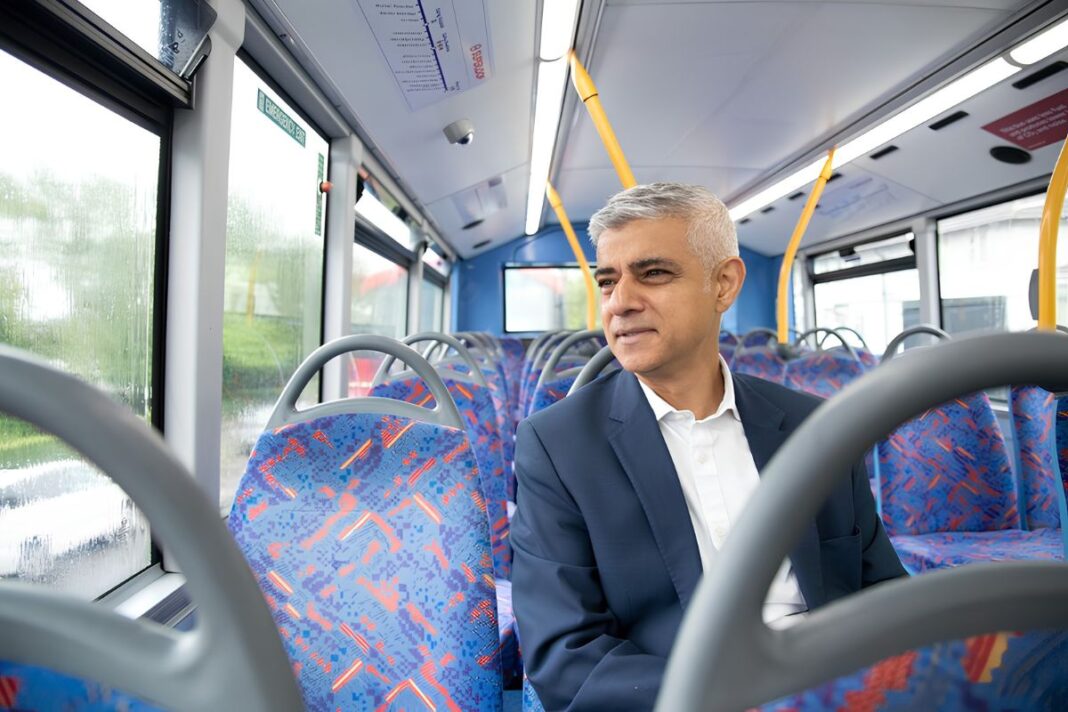
Khan (main picture) has formally opposed the proposals in the Mayor, Greater London Authority and Transport for London’s response to the Government’s consultation on the draft Heathrow Expansion National Policy Statement.
The consultation closed on 1 September and will help determine the planning policy framework against which any future application for a new Northwest Runway would be assessed. The draft does not itself grant planning permission for expansion.
The Government acknowledges that expansion would affect local and national transport networks during both construction and operation and says that, without effective mitigation, it is likely to increase congestion alongside noise and emissions.
PRESSURE ON LOCAL COMMUNITIES
The Mayor’s response argues that the proposed expansion could result in around 60,000 additional highway trips every day – equivalent to approximately 22 million extra road journeys annually – increasing pressure on local roads as well as the M4 and M25.
It also raises concerns about the impact of a proposed 58% increase in flights on communities already affected by aircraft noise around Heathrow.
Khan says: “I am deeply concerned about the potential adverse impacts of Heathrow Expansion on air quality, noise pollution, our environment and the transport networks in the capital and beyond.
“While aviation plays an important role in our economy and helps to keep us connected as a global city, any growth must not come at the expense of Londoners’ health or our environment.
“We’ve made incredible strides to clean up London’s air in recent years, improving health and saving lives by bringing down levels of toxic pollution. A third runway at Heathrow would put this progress in peril, as well as increasing noise pollution to unacceptable levels, blighting local communities who are already suffering.”
INFRASTRUCTURE CONCERNS
Transport capacity is another significant concern, with additional services potentially required on the Elizabeth and Piccadilly lines alongside new rail connections to the south and west.
The Government’s own surface access strategy recognises that reliable public transport will be central to expansion and that additional demand must not place undue pressure on surrounding communities or infrastructure.
Khan adds: “I’m also worried that Heathrow’s expansion could overwhelm transport networks in the capital and beyond, creating gridlock and forcing the taxpayer to pick up a multi-billion-pound bill for the necessary public transport improvements, which are left undefined and unfunded in the current proposals.”
The Government launched its consultation in June as part of a review of the 2018 Airports National Policy Statement. The revised policy is being assessed against four tests covering air quality, climate change, economic growth and noise.
The draft is also undergoing Parliamentary scrutiny until 26 November. Following consultation and scrutiny, the Government will decide whether to proceed, with an ambition to designate a final Heathrow Expansion National Policy Statement by the end of 2026.