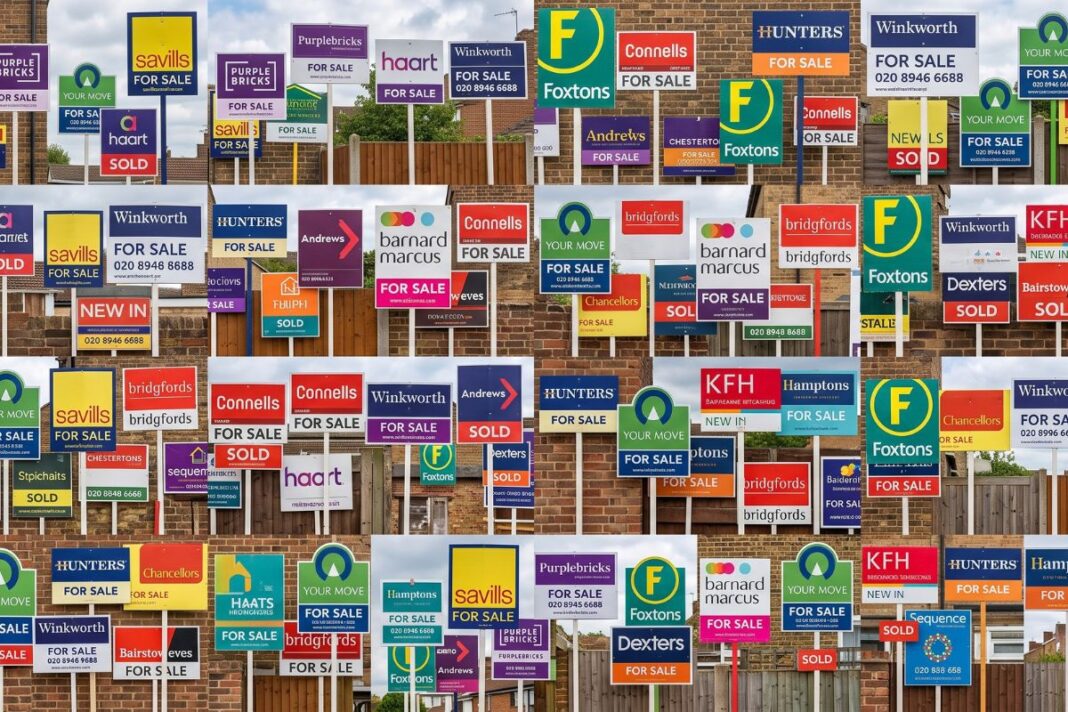
The introduction of tougher energy efficiency standards could prompt more landlords to sell lower-rated rental properties, LandlordBuyer has warned.
Privately rented homes in England and Wales will need to meet a new EPC C-equivalent standard by 1 October 2030 unless an exemption applies.
Landlords could be required to invest up to £10,000 per property in qualifying improvements, while government analysis estimates the average cost of reaching the standard at around £5,400.
LandlordBuyer says the potential expense of upgrading older homes could lead some landlords to reconsider the long-term viability of parts of their portfolios.
UPGRADE COSTS MOUNT
The new framework will assess properties against updated EPC metrics and is intended to improve energy efficiency, cut household bills and help tackle fuel poverty.
Where a landlord has spent up to the applicable cap but the property still cannot meet the required standard, they may be able to register a 10-year exemption.
However, the costs could become substantial for landlords with multiple lower-rated homes, particularly where properties require extensive work.

Jason Harris-Cohen, Managing Director of LandlordBuyer, says: “2030 might still sound a long way away, but landlords with older or lower-rated properties should be thinking about their options now.
“For some, investing in improvements will make complete financial sense. For others, particularly where substantial work is required, selling could become the more attractive option.”
PORTFOLIO PLANNING
The deadline follows wider changes to the private rented sector under the Renters’ Rights Act 2025, which came into force for most private tenancies on 1 May 2026.
The reforms ended Section 21 ‘no-fault’ evictions and moved most existing assured shorthold tenancies onto assured periodic tenancies.
LandlordBuyer says landlords considering an exit do not necessarily need to wait until a property becomes vacant, with tenanted properties potentially sold to another investor.
Harris-Cohen adds: “Every property should be assessed on its own merits. Landlords need to understand the current EPC rating, the potential cost of improvements and the long-term return the property is generating.
“Doing that analysis early gives landlords much more time to decide whether upgrading, holding or selling is the right option before the 2030 deadline arrives.”