

The Cotswolds is undergoing a quiet transformation, as international buyers and lifestyle trends reshape how its historic homes are used and designed.
Long associated with second-home ownership and traditional architecture, the region is now attracting a more global audience, driven by increased cultural visibility and high-profile destinations such as Soho Farmhouse and Estelle Manor, alongside the influence of Clarkson’s Farm.
This shift is changing buyer expectations, with demand moving beyond character alone towards homes that combine heritage with modern functionality.
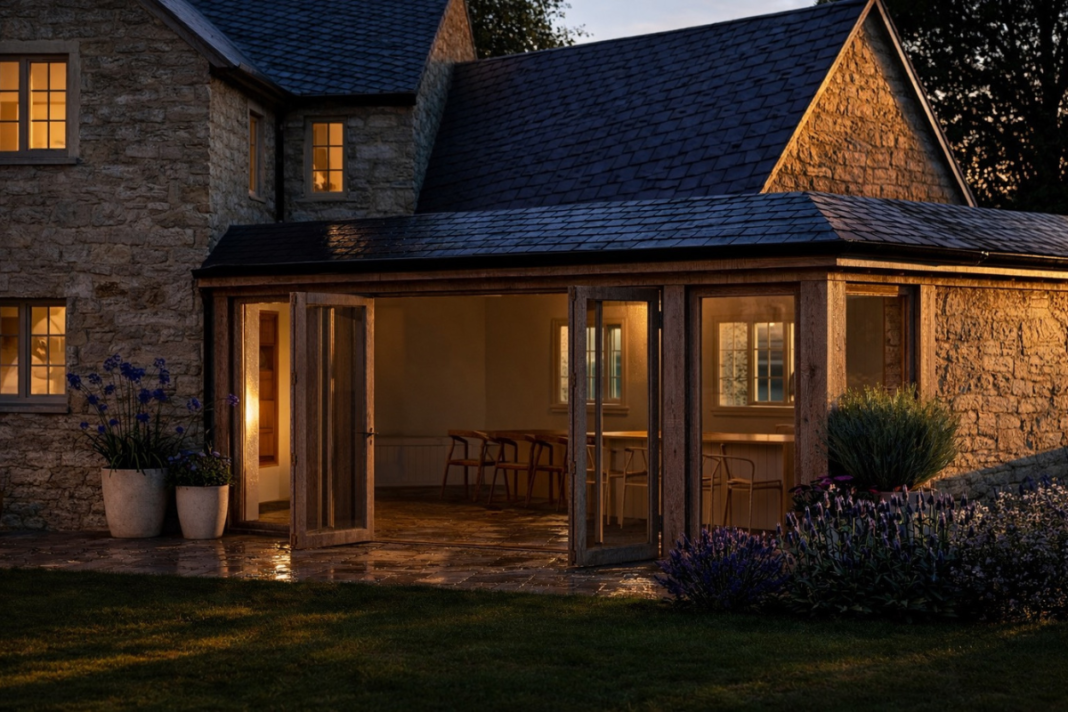
While the external appearance of Cotswold properties remains largely unchanged, the focus has turned to internal reconfiguration, with layouts opened up and spaces adapted to suit contemporary living.
CONSIDERED APPROACH
Rather than wholesale redevelopment, the emphasis is on sensitive reworking, particularly within listed buildings, where structural constraints require a more considered approach.
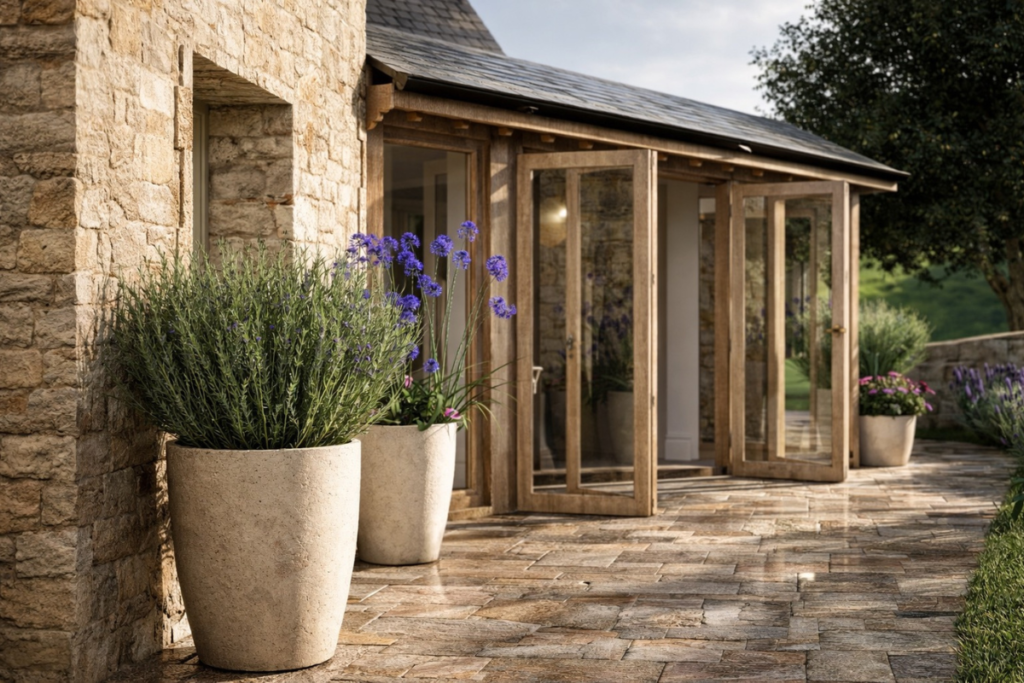
Design choices are also evolving, with a move away from decorative finishes towards more natural materials such as stone, timber and lime, used in a way that reflects the building’s original character.
The trend is being driven in part by international buyers accustomed to higher design standards, often bringing expectations shaped by homes in global markets.
This is feeding into a growing appetite for properties with strong architectural foundations that can be tailored through high-spec interiors, rather than fully finished turnkey homes.
The result is increased investment in design, with buyers prioritising quality of materials, layout and overall finish to create homes suited to long-term use.
FINDING THE BALANCE

Kit Maplethorpe, Architect and Founder of Bloom Studio, says: “Clients still want the character, but they also expect these houses to function at a completely different level in terms of flow, materials and how the space is actually used day to day.
“There’s a tendency to either over-preserve or over-modernise. The balance is somewhere in between.”
The shift reflects a broader evolution in the prime country market, where lifestyle, design and usability are becoming as important as location and heritage.