


The Chancellor should use the Autumn Budget to stimulate housing transactions rather than attempt to drive house price growth, according to Bettermove.
Chief Executive Officer Nick Statman (main picture, inset) says stamp duty reform should be considered as part of measures to encourage buyers, sellers and investors back into a market being constrained by higher borrowing costs and uncertainty.
He has also called for the Government to consider targeted stamp duty relief on new-build homes as a way of supporting developers and encouraging construction. Statman argues that increasing thresholds or introducing targeted reductions could remove some of the financial barriers preventing households from moving.
His comments come ahead of the Autumn Budget on 28 October, with the property industry awaiting further details of the Government’s Your First Home scheme alongside potential tax changes.
STAMP DUTY
Statman says: “I’d like to see the Chancellor focus on getting the housing market moving again, rather than simply trying to stimulate house price growth. Stamp duty would be a good place to start.
“It’s a significant cost that discourages people from moving, whether they’re upsizing, downsizing or buying their first home. Increasing thresholds or introducing targeted reductions could make a real difference.
“One idea I’ve seen discussed recently, which I think deserves serious consideration, is reducing or removing stamp duty on new-build properties.”
He argues that targeted relief could help developers sell properties and give housebuilders greater confidence to bring forward new schemes, although he acknowledges any measure would need to avoid simply feeding through into higher prices.
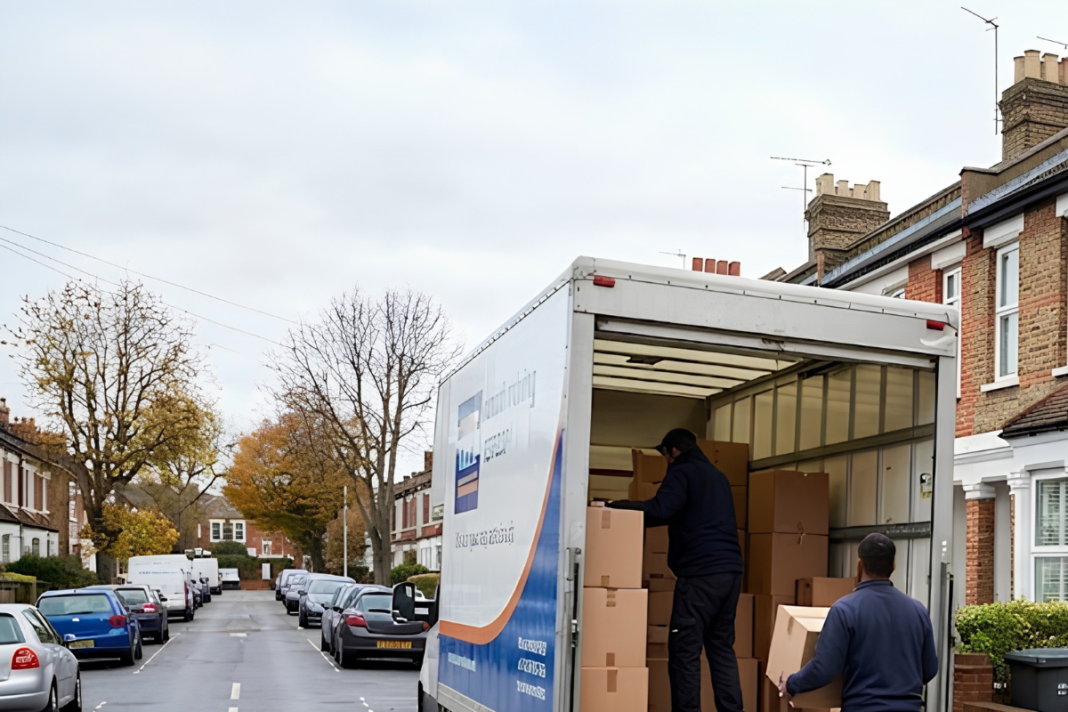
Statman also points to the wider economic impact of housing transactions, which generate business for estate agents, conveyancers, mortgage brokers, surveyors, removal companies and tradespeople.
FIRST-TIME BUYERS
Bettermove has welcomed the principle behind the Government’s Your First Home scheme but wants support extended beyond new-build properties.
Statman says: “I welcome anything that helps people onto the property ladder. The Government’s proposed Your First Home scheme could be helpful, particularly for people struggling to save a deposit while paying rent.
“However, I’d like to see this scheme extended to existing properties and accompanied by measures that increase housing supply. Otherwise, there’s a risk that additional support simply pushes prices higher.”
He says opening support to existing homes could also encourage movement further up the property chain.
PROPERTY TAXES
Statman is more cautious about potential increases in taxation on property owners and investors.
He says a significant increase in Capital Gains Tax could influence landlord behaviour at a time when higher costs and regulation are already leading some investors to reassess their portfolios.
Statman says: “Increasing CGT could discourage some from selling, while others may decide to exit the sector altogether.
“Neither outcome necessarily helps the housing market, particularly if rental properties are lost from the private rented sector.”
He also opposes the introduction of an additional annual tax on homes worth more than £2m and expresses reservations about a broader wealth tax where people’s assets are tied up in property or businesses.
On wider reform of property taxation, Statman says there is an argument for modernisation but warns against introducing a land value tax unless it replaces existing taxes rather than becoming an additional charge.
He adds: “Overall, the housing market doesn’t need another boom in house prices. It needs confidence, affordability and more transactions.
“If the Budget encourages people to buy, sell, invest and build, that would be a positive outcome. My concern is that further taxation and uncertainty could have the opposite effect.”