


More than half of first-time buyers are now paying more each month on their mortgage than they previously paid in rent, reversing the financial advantage enjoyed by most buyers during the era of ultra-low interest rates.
Hamptons analysis shows 56% of former tenants who bought a home in September took on mortgage payments above their previous rent – the highest proportion in at least a decade.
That compares with 47% as recently as July and just 28% in September 2021. The average monthly mortgage payment among first-time buyers leaving the rental market reached £1,227 in September.
For every £1 previously spent on rent, buyers are now paying an average £1.09 towards their mortgage. In September 2022, the equivalent mortgage cost was just 90p.
DEPOSITS MAKE THE DIFFERENCE
Hamptons analysed around 210,000 first-time buyer mortgage applications over the past decade, matching borrowers’ new mortgage payments with the rent they had previously been paying.
Deposit size makes a significant difference.
Buyers whose mortgage payments exceeded their previous rent purchased at an average 91% loan-to-value, equivalent to a 9% deposit.
Those whose mortgage payment was lower bought at an average 83% LTV, equivalent to a 17% deposit.
Older first-time buyers are also experiencing the biggest increases.
Some 67% of buyers in their 40s paid more after purchasing, with average mortgage costs 18.2% above their former rent. Among buyers in their 30s the increase averaged 6.9%.
By contrast, buyers in their 20s paid an average 7.5% less than they had as tenants, with 47% taking on a mortgage payment above their former rent.
Hamptons says the difference partly reflects older buyers purchasing larger properties and taking shorter mortgage terms.
RENTS ACCELERATE
The findings come as rental growth on newly let properties accelerated for a tenth consecutive month.
New rents across Great Britain rose 2.7% year-on-year in September to an average £1,433 per month – the fastest annual increase since November 2024.
South East rents increased 4.6%, while the South West recorded growth of 4.1%.
However, rental growth across all tenancies continued to slow, falling from 3.9% a year ago to 1.9%.
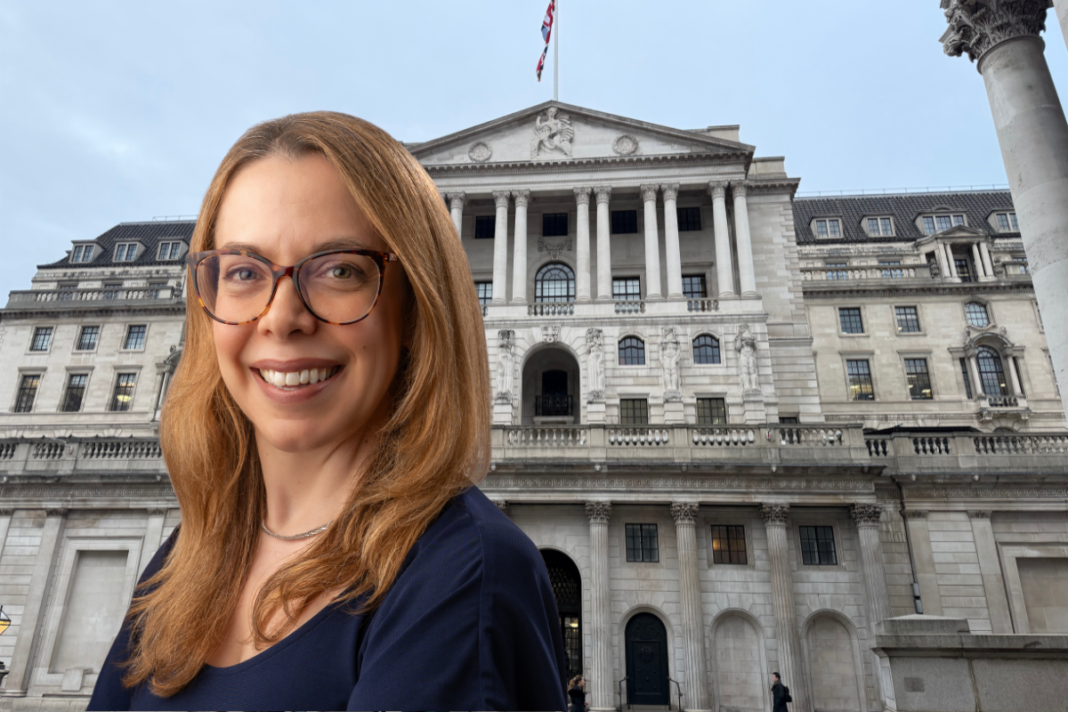
Aneisha Beveridge (main picture), Head of Research at Hamptons, says: “When interest rates were low, the financial case for tenants to buy as soon as they could was fairly straightforward.
“Higher mortgage rates have turned that equation on its head.
“Today, more than half of renters who buy are taking on a higher monthly payment than the rent they have left behind.
“The long-term benefits of home ownership – building equity, greater security and eventually owning a home outright – remain, but the immediate monthly saving that once rewarded tenants for making the leap has largely disappeared.”