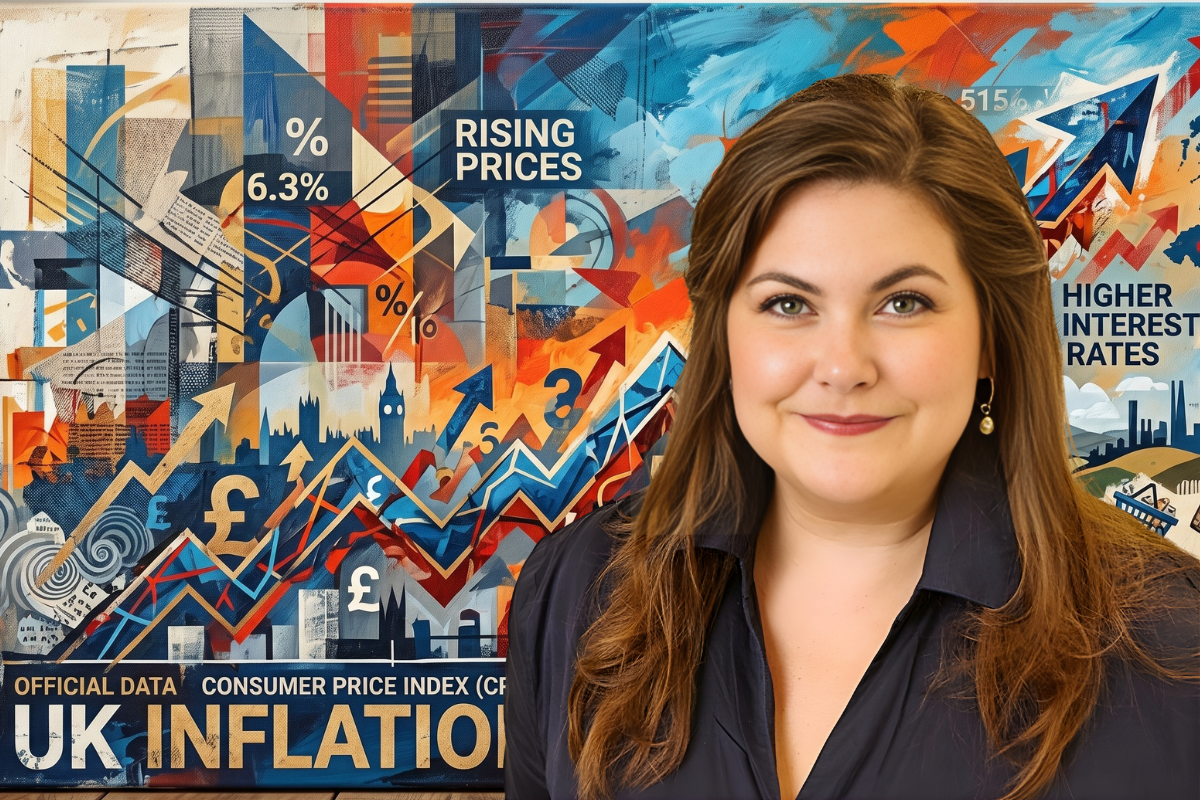
Rising oil prices are set to push inflation higher this week leaving the Bank of England facing a difficult decision on interest rates.
Economists expect the latest data today to show inflation climbing to around 3.3%, driven by higher energy costs following disruption linked to the Middle East conflict.
The increase is likely to mark the first phase of a broader inflationary trend, with oil prices remaining elevated into April.
Despite some improvement in geopolitical tensions, global supply constraints are expected to persist.
HIGHER FOR LONGER
Shipping delays and damage to infrastructure are likely to keep oil prices higher for longer, increasing pressure on both household costs and wider economic activity.
This backdrop leaves policymakers weighing whether to prioritise controlling inflation or supporting growth, particularly as the UK economy shows mixed signals following stronger-than-expected GDP data earlier in the year.
Isabel Albarran (main picture, inset), Investment Officer at TrinityBridge, says: “This week’s inflation data is likely to show the first effects of the conflict in the Middle East.
“Economists expect inflation to rise to 3.3%, reflecting the beginning of the rise in energy prices that we saw in March. However, this is likely just the start of the story as spot prices continued to rise into April, and remain elevated, even as the tone of negotiations improved.
“While the political situation has improved, even if a lasting détente is reached, global oil supply is likely to remain constrained. Shipments will have over a month of activity to catch up on, and some infrastructure has been damaged in the conflict.
“All in all, this could see the oil price staying higher for longer, with an inevitable impact on both prices and activity.”
WATCH AND WAIT
She adds: “For the Bank of England, this poses a two-sided problem – does the MPC vote to hike rates, quashing the risk of a lasting inflation surge before it can become embedded, or continue cutting rates, in order to cushion the economy from the effects of a negative oil supply shock?
“On top of this, the MPC must consider February’s stronger than expected GDP print, and growing political uncertainty arising from instability in the Labour Party.
“Today futures prices imply one rate hike over the next 12 months in the UK, which seems more reasonable than the two to three hikes that were priced in as recently as last week, and more in line with our expectation that the Bank of England will watch and wait.”