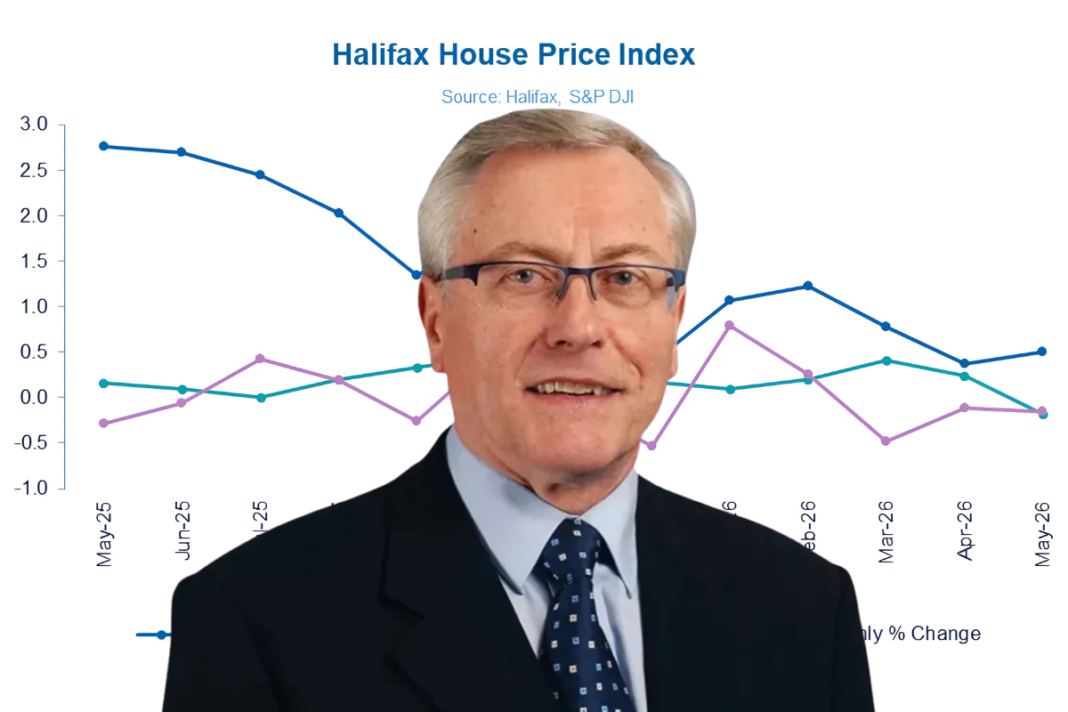
Halifax House Price Index data shows that house prices fell by 0.1% in May and were only 0.5% higher than in May 2025, reflecting a housing market that remains subdued and is still struggling to build meaningful momentum. The market is flat, and it may remain this way across 2026.
The sharp rise in housing market activity that followed the pandemic has come to an end. Prospective buyers are operating in a far more difficult financial climate, shaped by higher borrowing costs, tougher lending criteria, and the continuing effects of the cost-of-living squeeze on household budgets.
These pressures are continuing to weigh on activity across much of the UK housing market.
Demand for homes has not disappeared, but many households are becoming increasingly cautious about taking on large financial commitments in such an uncertain economic environment, instead opting to wait to see the direction the economy takes.
AFFORDABILITY ISSUES
Affordability remains the defining issue. Borrowing costs are still much higher than most homeowners had become used to over the previous decade, and inflation is rearing its head again.
For many first-time buyers, especially, the numbers no longer add up as easily as they once did. Mortgage repayments on a typical home remain well above levels from just a few years ago. This is the case even though house price growth itself has slowed sharply.
A glimmer of hope for first-time buyers is that the newly enacted Renters’ Rights Act will apply even further downwards pressure on the market. With landlords facing increased regulations and obligations, many may opt to sell their rental properties, increasing supply and driving down prices.
“This will lead to an increased shortage of rental properties.”
Yet at the same time, this will lead to an increased shortage of rental properties, making it even more expensive for prospective renters.
The housing market has an impact on the wider economy. A weak property market tends to reduce confidence and slow consumer spending. The effects reach well beyond housebuilders and estate agents.
They extend into retail, construction, household goods, and financial services. Housing activity is often a barometer of wider economic confidence – current conditions continue to show a cautious mood among households.