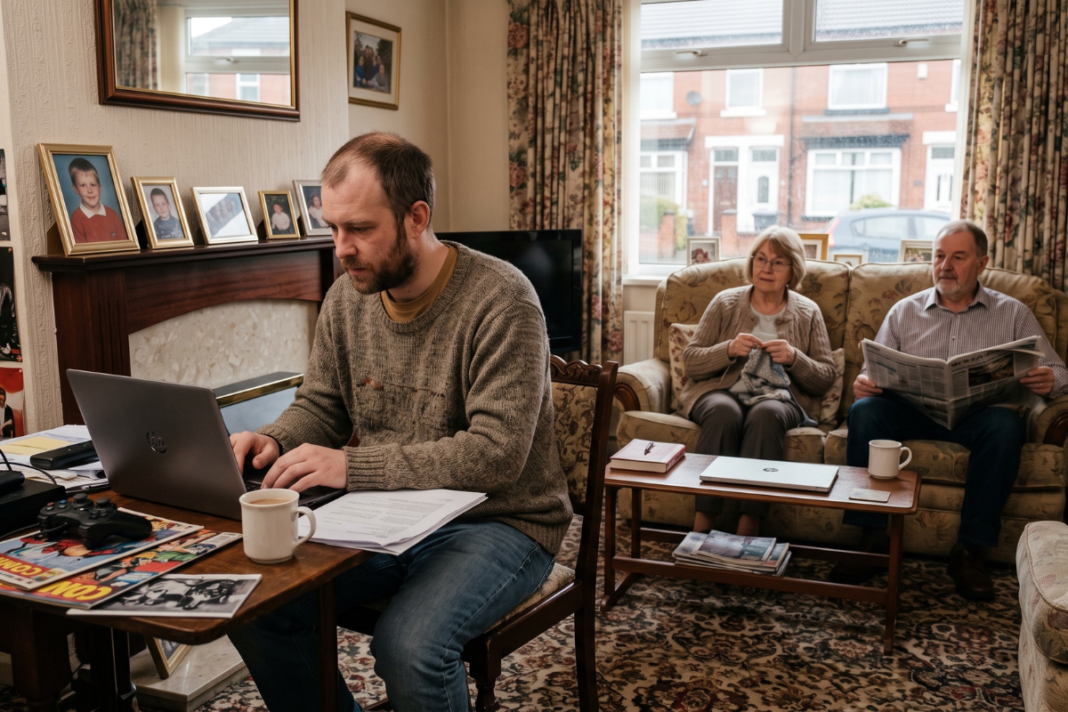
First-time buyers purchasing on their own now face saving for almost a decade before they can afford to buy their first home according to new research from reallymoving.
The study found that a solo buyer in England needs to save £27,315 to cover a typical 10% deposit and upfront moving costs. Assuming they save 10% of their take-home pay each month, it would take 113 months – nine years and five months – to reach that target.
The figures are based on the current average first-time buyer purchase price of £250,000, requiring a £25,000 deposit alongside £1,421 for conveyancing, £462 for a survey and £432 for removals.
The research also highlights the growing financial advantage of buying with someone else. Two buyers each earning the national average salary could halve the saving period to 56 months, while using a Lifetime ISA reduces the time needed for a solo purchaser by almost two years to around seven-and-a-half years through the Government’s 25% bonus.
REGIONAL DIFFERENCES
London presents the biggest hurdle, with solo buyers needing to save £47,692 to cover a deposit and upfront costs, equating to around 13 years of saving. In contrast, first-time buyers in the North East need to raise £16,763, reducing the saving period to six years and seven months.
Reallymoving also found that today’s first-time buyers are increasingly skipping the traditional starter home. More than half (53%) of those purchasing in 2026 bought a property with three bedrooms or more, reflecting the rising average age of first-time buyers, now 34, and changing household needs.
The company said the Government’s planned First Time Buyer ISA, due to replace the Lifetime ISA in 2028, could help more buyers save for a deposit, although it argues the current £450,000 property price cap should be reviewed to better reflect prices in London and the South East.
BIG CHALLENGE
Rob Houghton (main picture, inset), Founder and CEO of reallymoving, says “Raising a deposit and covering the cost of moving is still the biggest challenge facing most First Time Buyers who don’t have access to financial support from parents and grandparents.
“With the cost of living and rents so high, putting money aside month after month is increasingly difficult and even First Time Buyers who save consistently are looking at almost a decade of saving until they can afford to get on the housing ladder.
“The announcement that a new First Time Buyer ISA will be launching in 2028 with no upper age limit is certainly positive, better reflecting the increasing age of First Time Buyers and their desire to purchase larger homes at the outset, but it’s essential that the £450,000 price cap is also reviewed to ensure it better reflects property values in London and the South East.”