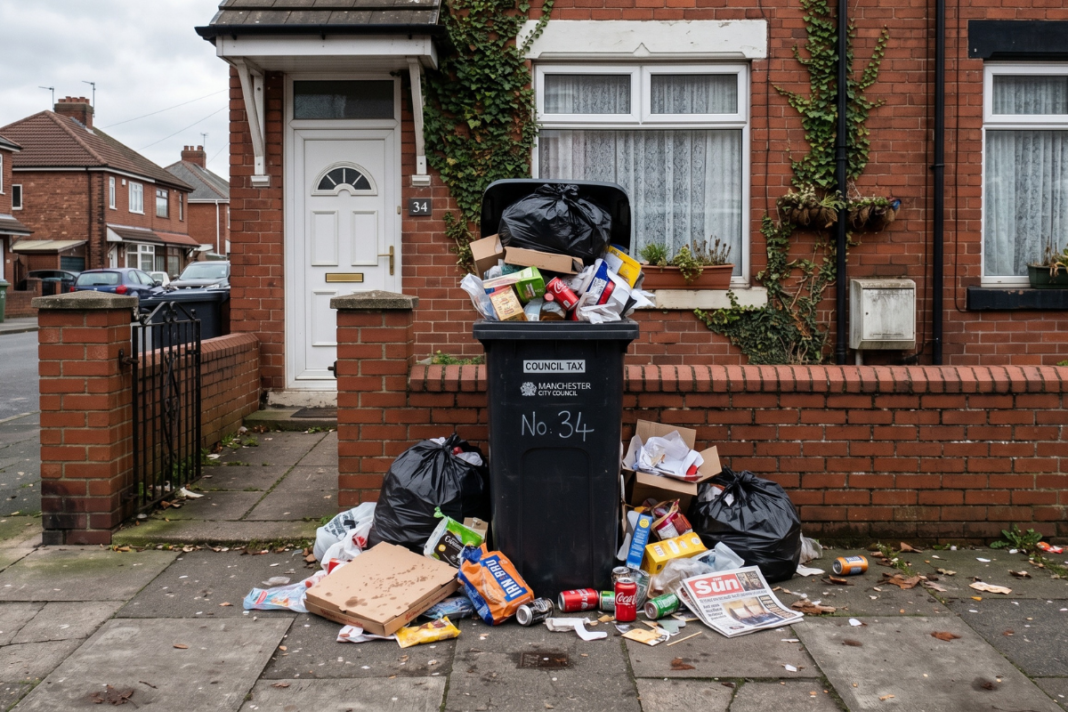
Landlords are being warned that poor bin habits could lead to fines as warmer weather increases the risk of pests and complaints.
According to waste specialists at Rainbow Rubbish Removals, rising temperatures are accelerating the breakdown of food waste, creating stronger odours and attracting flies, rodents and insects.
While a bad smell alone is unlikely to trigger enforcement, the firm said issues can quickly escalate if bins are poorly managed or begin to affect neighbouring properties.
Common mistakes include failing to rinse food containers, leaving bin lids open, overfilling bins and mixing garden waste with food waste. These habits can increase odour levels and make waste more accessible to pests.
STATUTORY NUISANCE
Waste experts warn that unwashed packaging and exposed food waste are among the biggest contributors, particularly in warmer months when decomposition speeds up.
Under the Environmental Protection Act 1990, councils can take action where waste creates a statutory nuisance, such as persistent odours impacting nearby homes.
In more serious cases, local authorities can issue an abatement notice requiring the problem to be resolved. Failure to comply can result in fines of up to £5,000, with additional daily penalties for continued breaches.
For less severe offences, such as overflowing bins or improper storage, Fixed Penalty Notices can also be issued, typically ranging from £80 to £200 depending on the council.
COUNCIL ACTION

Miroslav Radov, Founder of Rainbow Rubbish Removals, says: “As soon as the weather starts to warm up, we see a noticeable increase in pest-related issues around household waste. It doesn’t take much, even small amounts of food residue or an open bin lid can attract flies or rodents.
“Most people won’t realise there’s a problem until it starts to smell or neighbours notice it, but by that point it can escalate quickly, especially in warmer weather.
“You’re unlikely to be fined just for having a smelly bin, but if it starts affecting others or attracting pests, councils can step in. Simple habits like rinsing containers and keeping lids closed can prevent it getting to that stage.”