RSM UK has urged Prime Minister Andy Burnham to review property taxation and planning policy after official figures showed the housing market lost momentum in May.
The average UK house price reached £271,000, an increase of £7,000 or 2.7% over the year, according to the Office for National Statistics.
Prices rose by 0.3% between April and May on a non-seasonally adjusted basis but were unchanged after seasonal adjustment. Annual growth also slowed from 3.9% in April, although the ONS attributed much of the movement to Stamp Duty-related base effects.
London remained the weakest English region. Prices fell by 3.7% annually and 1.2% during May, marking the capital’s ninth consecutive month of annual decline. Inner London recorded a 5.9% fall, compared with 0.3% across Outer London.
PLANNING REVIEW
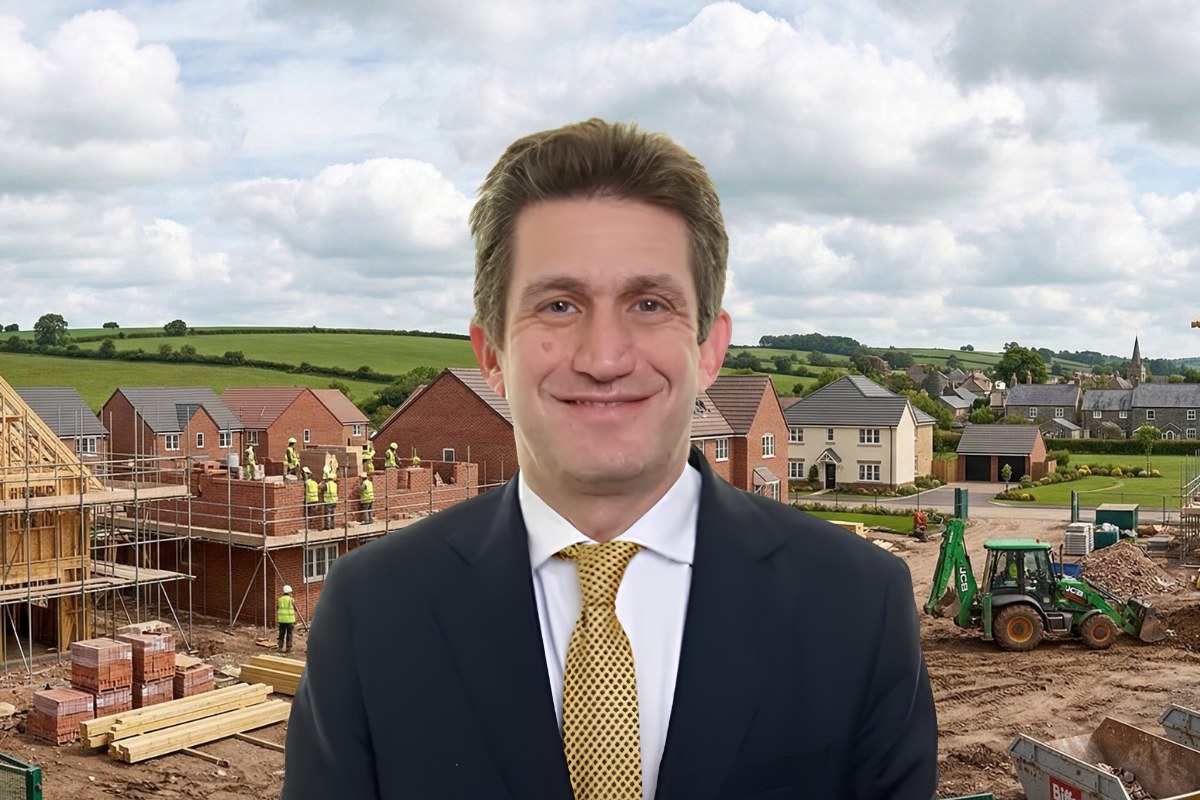
Stacy Eden (main picture, inset), National Head of Real Estate at RSM UK, says: “The May house price data is unsurprising, highlighting stagnation in the housing market as house prices flatline. This is particularly evident in areas of high house prices such as London, where penal rates of Stamp Duty Land Tax are most keenly felt.
“As Andy Burnham begins his premiership, we’d urge the new Prime Minister to prioritise a review of planning reforms and tax policy to help stimulate the UK’s stagnating housing market.”
RSM’s Real Estate 360 research found 33% of property business leaders believed abolishing stamp duty could boost the market. Increasing development costs were identified by 39% as the biggest obstacle to meeting housing targets, while 26% cited planning difficulties.
Eden says scrapping or replacing stamp duty would require careful consideration because of the revenue involved. HMRC figures show total SDLT receipts reached £13.9bn during 2024/25, including £10.4bn from residential transactions.
DEVELOPMENT VIABILITY
He adds: “We’d like to see the Government revisit current policy to create a fairer and less penal system. Currently, buyers are put off moving due to high Stamp Duty fees, significantly decreasing liquidity and transactions in the market.”
Development viability is another concern. Home Builders Federation analysis found inflation, taxes and regulation had added approximately £76,000 to the cost of constructing a home since 2020. Around £30,000 of that increase was attributed to regulatory requirements, taxes and levies.
Eden also called for a “long-term and holistic” approach, warning that introducing an additional land tax could place further pressure on development.
RSM expects subdued growth to continue over the coming months, particularly if gilt yields and concerns about the public finances keep borrowing costs elevated.