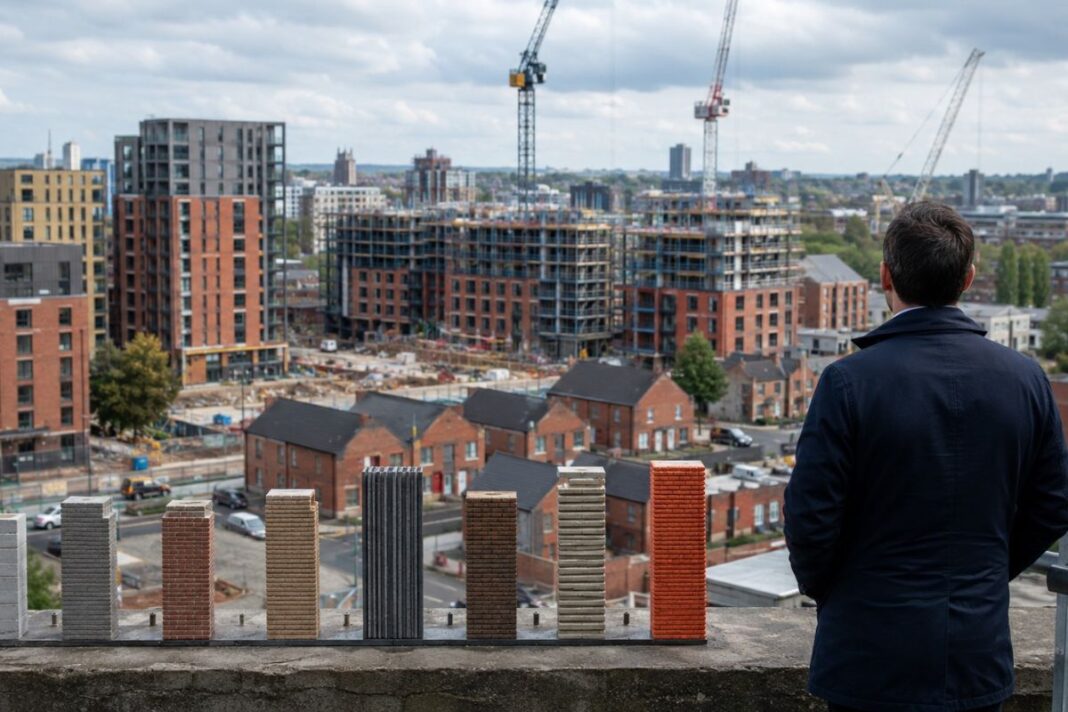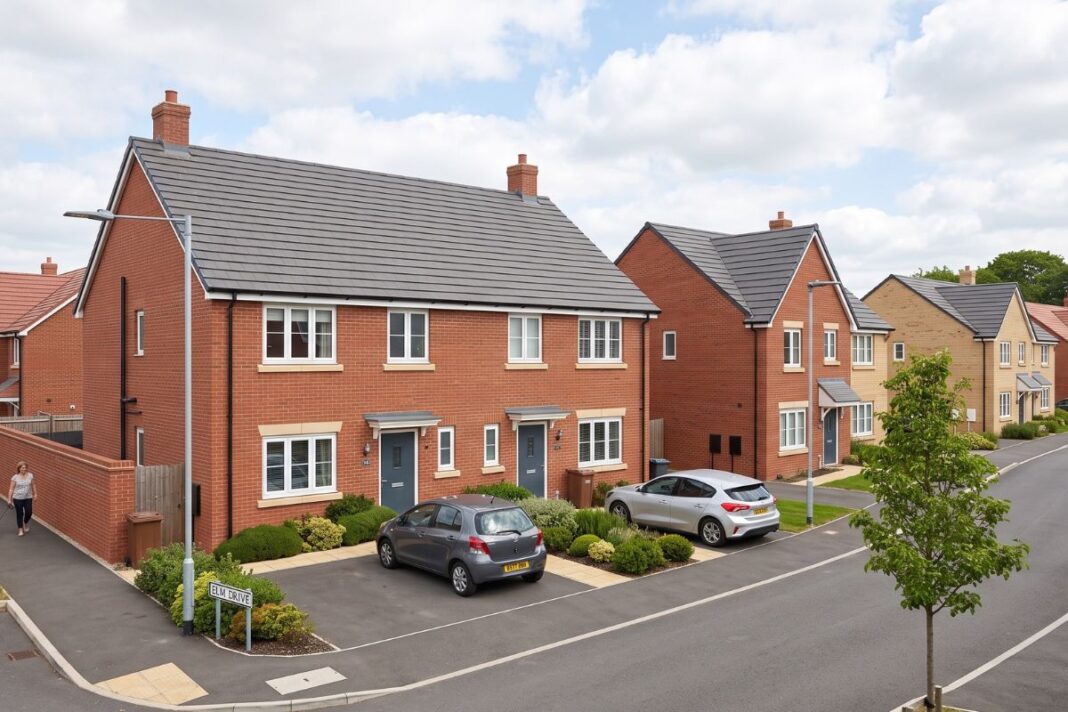
The average price of a new-build home in England could exceed £400,000 during 2027, according to modelling by UK Property Development.
Its analysis projects that the average will increase from £376,404 in 2025 to £393,352 in 2026 before reaching £414,757 the following year.
The forecast was produced using new-build price movements recorded during the previous 24 months and assumes recent market trends continue.
Over the decade to 2025, the average new-build price in England increased by more than £131,000 from £245,288, equivalent to average annual growth of 4.4%.
GREAT BRITAIN AVERAGE APPROACHES £391,000
Across Great Britain, new-build prices rose from £227,323 in 2015 to £354,220 in 2025.
The analysis forecasts a further increase to £390,817 by 2027, following average annual growth of 4.6% over the preceding decade.
Wales recorded the strongest long-term percentage growth among the three nations examined, averaging 5.5% annually.
Its typical new-build property increased in value from £189,961 in 2015 to £322,339 in 2025 and is projected to reach £359,598 by 2027.
Scotland’s average rose from £198,037 to £306,878 over the same period. The forecast puts it at £342,373 by 2027 after average annual growth of 4.5%.
AFFORDABILITY CHALLENGE GROWS

Andy Morrison, Director of UK Property Development, says demand for modern, energy-efficient homes and the continuing shortage of housing had supported new-build values.
“While growth rates have varied from year to year, the long-term trend remains clear,” he says.
“New-build values have continued to rise across all three nations, and the fact that England’s average new-build price is expected to move beyond £400,000 by 2027 demonstrates the resilience of the sector.”
However, the forecast also underlines the affordability challenge facing buyers, particularly if new-build prices continue to rise more quickly than household incomes.
Morrison says developers should avoid producing formulaic schemes and focus on combining energy efficiency and practicality with more distinctive architecture.
“Growth in the market is important, but so too is raising the standard of what we build,” he adds.