


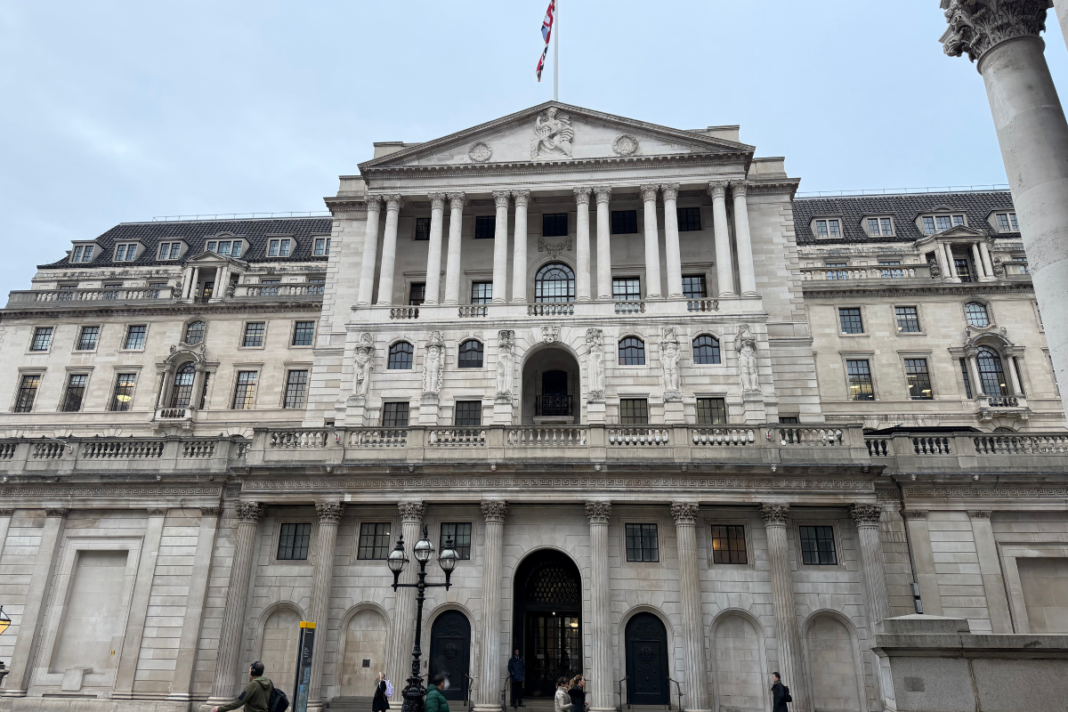
The UK mortgage market showed signs of renewed momentum in the first quarter of 2026, with new lending commitments rising strongly and mortgage arrears continuing to fall, according to the latest figures from the Bank of England.
While the value of gross mortgage lending declined during the quarter, lenders agreed significantly more future business, suggesting activity could strengthen over the coming months.
The total value of outstanding residential mortgage lending increased by 0.7% during Q1 to reach £1.75 trillion, up 2.6% compared with the same period last year.
Gross mortgage advances totalled £69.6bn, down 12.3% on the previous quarter and 10.2% lower year-on-year. However, new mortgage commitments, which provide an indication of future lending activity, rose by 11.5% to £78bn and were 14.2% higher than a year earlier.
IMPROVED CONFIDENCE
The data suggests that while completed lending slowed during the opening months of the year, confidence among borrowers and lenders improved as the quarter progressed.
Remortgaging activity continued to gain momentum. The share of gross advances used for owner-occupier remortgages rose to 28.1%, up from 25.4% in the previous quarter and 21.3% a year earlier.
But the share of lending for house purchases fell to 57.7%, down from 61.6% in Q4 and 66.3% a year earlier. The figures indicate that many borrowers remain focused on refinancing existing loans rather than moving home.
Buy-to-let lending also strengthened modestly, accounting for 8.9% of gross advances, up from 8.4% in the previous quarter and 8.1% a year ago.
BORROWER RESILIENCE
The data also points to improving borrower resilience. Outstanding mortgage balances in arrears fell by 1.7% during the quarter to £20.1bn, the lowest level since Q3 2023 and 6.3% below the level recorded a year earlier.
The proportion of all outstanding mortgage balances in arrears remained stable at 1.1%, although this was slightly lower than the 1.2% recorded a year ago.
Higher loan-to-value lending eased slightly during the quarter, with the proportion of advances above 90% LTV falling to 8.0%, although it remains higher than a year ago, suggesting lenders continue to support borrowers with smaller deposits.
Falling arrears, rising remortgage activity and stronger lending commitments suggest confidence is gradually returning, even if house purchase activity remains relatively subdued.
MIXED PICTURE

Mary-Lou Press, NAEA Propertymark President, says: “These figures present a mixed picture for the UK’s mortgage market. While the value of gross mortgage advances fell during the quarter, the increase in new mortgage commitments suggests borrowing activity could strengthen in the months ahead.
“It is encouraging to see a modest increase in the share of buy-to-let mortgage advances despite significant legislative changes affecting landlords across the UK.
“However, many property investors remain cautious about the impact of reforms such as the Renters’ Rights Act and the Housing (Scotland) Act, and it remains to be seen how these changes will influence investment decisions over the longer term.
“At the same time, ongoing cost-of-living pressures and global economic uncertainty continue to influence borrowing decisions.
“With the Bank of England’s next base rate decision approaching, the housing market will be watching closely for any impact on affordability, confidence and future market activity.”