A larger-than-expected fall in inflation is unlikely to reverse the recent increases in fixed mortgage rates, brokers have warned.
The Consumer Prices Index rose by 2.6% in the year to June, down from 2.8% in May and below economists’ consensus forecast of 2.7%. It was the lowest annual rate for 15 months. Falling motor-fuel, food and clothing prices contributed to the decline, while services inflation eased from 3.7% to 3.6%. Core inflation remained unchanged at 2.6%, according to the latest inflation data from the Office for National Statistics.
Although the figures provide some relief for buyers and homeowners, fixed mortgage pricing is influenced by wholesale funding costs and financial-market expectations rather than the latest inflation number alone.
Renewed hostilities involving Iran have driven oil prices and swap rates higher, reversing some of the improvement borrowers had seen earlier in the year.
FIXED RATES RISE
Barclays, NatWest, Nationwide, Coventry Building Society and Virgin Money were among the lenders to increase fixed rates during July, with some changes reaching 0.35 percentage points.
Two-year swap rates, which help influence the cost of fixed-rate mortgages, increased from approximately 3.95% to 4.22% over several weeks.
The Bank of England held Bank Rate at 3.75% in June by a seven-to-two majority, although two Monetary Policy Committee members voted for an increase to 4%.
Minutes from the meeting show the committee remained concerned about volatile energy prices and the possibility that higher costs could feed through to wider inflation. Its next interest-rate decision is due on 30 July.
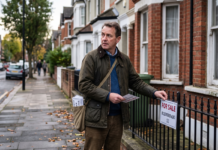
David Hollingworth (main picture, inset), Associate Director at L&C Mortgages, says: “Borrowers will be hoping the inflation figures provide some reassurance following the uncertainty created by the ongoing strikes in Iran, which has seen several major lenders increase their fixed mortgage rates in recent days.
“The mortgage market had been moving in a positive direction, with lenders gradually reducing rates and giving borrowers improved choice.
“However, that downward momentum has ground to a halt, as uncertainty in financial markets has pushed lenders’ funding costs higher.”
PIPELINE PRESSURE
For estate agents, further mortgage rate increases could affect affordability assessments, agreed purchases and transaction pipelines, particularly where buyers have yet to secure their finance.
Even relatively small changes can affect the maximum loan available to a buyer or push monthly payments above an affordability threshold.
Hollingworth says the inflation figure could reduce pressure on the MPC to increase Bank Rate immediately but warns that it would not automatically bring cheaper mortgages.
“Borrowers can’t expect today’s figures to trigger a reversal in recent mortgage rate increases and we are likely to see further upward moves by lenders,” he says.
“Borrowers shouldn’t feel they have to panic, but they also shouldn’t delay reviewing their options. Mortgage rates can move quickly, as we have seen over the past week.”
FALSE DAWN

John Phillips, CEO of Spicerhaart and Just Mortgages and says: “While inflation easing may seem like the first win of the new Burnham premiership, it’s more likely to be a false dawn as improving food and fuel prices mask what is still a really difficult picture.
“In truth, many economists roughly expected yesterday’s result and are already looking ahead to next month’s reading which will take into account the higher energy price cap, as well as the re-escalation of the conflict in Iran.
“Even with positive news today, a rate cut next week is far from anyone’s prediction. The most likely outcome is another hold, which will be certainly welcome over the other alternative.
“How long the central bank will keep to this path is yet to be seen, especially given what is happening in the Middle East – which has already helped push up swaps and forced many lenders to reprice.
AFFORDABILITY PRESSURE

And Nathan Emerson, CEO of Propertymark, says: “While it’s encouraging to see inflation move closer to the Bank of England’s 2% target, household affordability remains under pressure.
“Renewed international political tensions could still impact the wider economy, particularly over the summer months.
“Although the figures mark a third consecutive fall, many households will likely continue to approach their finances with caution as not to overstretch their levels of incomings vs outgoings on key household items moving forward.”