Andy Burnham’s proposed council housebuilding programme risks becoming a “postcode lottery” because publicly owned brownfield land is concentrated in the wrong areas, new analysis claims.
Specialist lender Together analysed data from property intelligence platform Searchland after the Labour leadership frontrunner pledged to oversee the largest council housebuilding programme since the post-war period.
It found that registered public brownfield land in England could accommodate between 187,000 and 207,000 homes – around two-thirds of the 300,000 social and affordable homes previously proposed by Labour.
Together says the estimate does not account for whether individual sites are deliverable, meaning land would also need to be assembled or acquired at market value.
AROUND THE REGIONS
Birmingham has the greatest capacity, with 185 sites capable of accommodating approximately 11,500 homes. However, public land is scarce across much of the country.
Around two-thirds of the 20 areas with the largest housing delivery shortfalls have little or no significant public land available. Bournemouth, Christchurch and Poole has the greatest shortfall at approximately 4,550 homes, followed by Greenwich at 3,880 and Newham at 2,870.
By contrast, several authorities with large public landholdings — including Leeds, Wandsworth, Waltham Forest, Newcastle and Nottingham — are already meeting or exceeding their housing targets.
Only Birmingham, Bristol, Bradford, Lewisham and Kirklees combine a significant housing deficit with substantial public landholdings, the analysis found.
LAND SHORTAGE
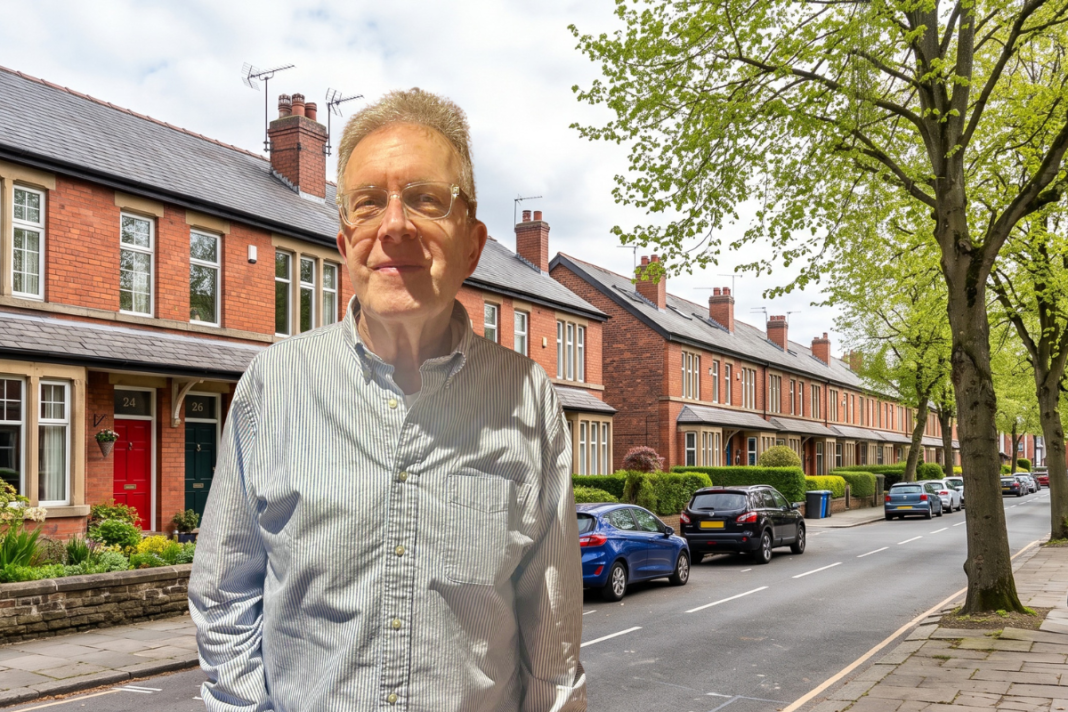
Ryan Etchells (main picture, inset), Chief Commercial officer at Together, says: “Building on vacant public land is a sensible idea, but our analysis shows it can only ever be part of the answer.
“There isn’t enough public land to deliver a programme this size, and that’s before considering that the places with the greatest need tend to have the least land. As it stands, whether this pledge reaches your community is close to a postcode lottery.
“The areas falling furthest behind won’t be rescued by land the state happens to own. They need sites to be assembled and bought, existing land intensified, and the wider public estate brought into play – and all of that needs finance that moves quickly and understands complex, non-standard sites. That is precisely the gap specialist lenders like Together exist to fill.
“If the ambition is genuinely national, the plan has to look well beyond vacant public land, otherwise many of the families on today’s waiting lists will be left exactly where they are.”
Together says the programme will depend heavily on SME builders and regional contractors because much of the available land consists of small, dispersed brownfield plots capable of delivering between one and 50 homes.