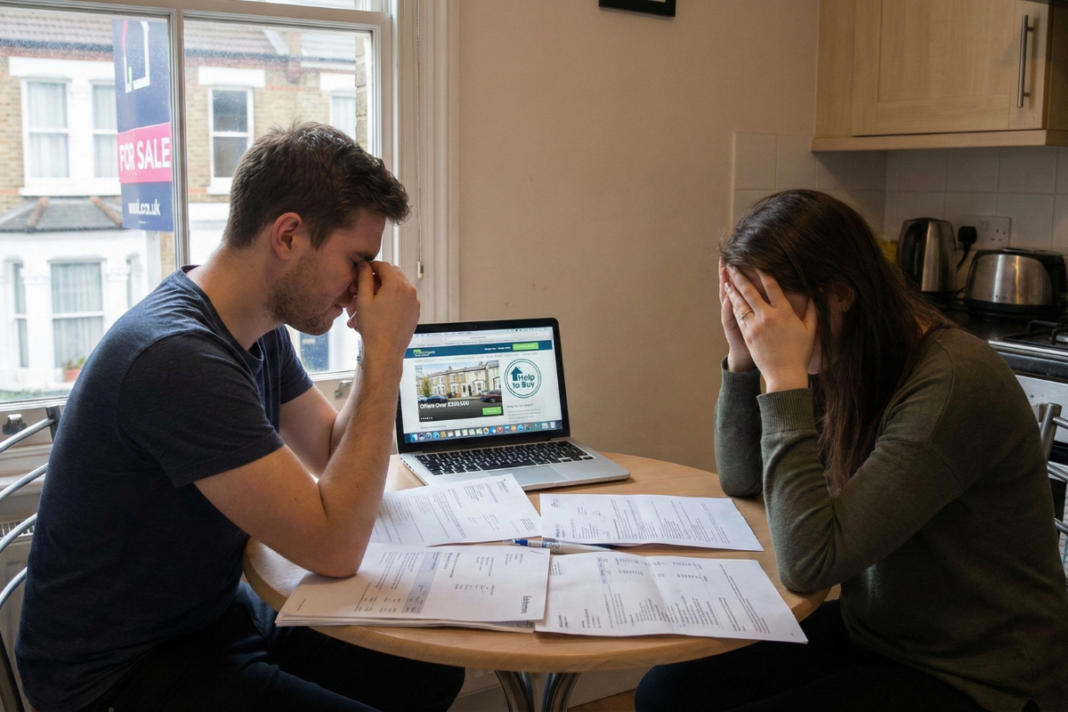



Almost half of home sellers involved in a property chain have experienced that chain breaking during their sale, with buyers changing their minds by far the most common cause, research suggests.
House Buyer Bureau surveyed 1,072 UK home sellers and found 52% were part of a chain when selling their most recent property.
Of those, 45% experienced a break somewhere in the chain. Some 38% said a buyer or seller dropped out but the chain was eventually restored, while 7% saw it collapse completely.
Buyer indecision accounted for 60% of chain breaks, significantly outweighing financing problems and sellers changing their minds, both cited in 8% of cases.
BROKEN CHAINS
Survey problems accounted for 6%, while conveyancing delays and changes in personal circumstances were each responsible for 4%.
Gazumping was blamed for just 2% of broken chains, while lender down-valuations accounted for 1%.
The findings come against a backdrop of greater choice for buyers. Zoopla’s latest House Price Index shows the stock of homes for sale is currently 5% higher than a year ago, giving buyers greater scope to negotiate and consider alternatives.
MONTHS ADDED TO SALES
More than a third (36%) of sellers affected by a chain break said their property sale was delayed, while 24% experienced delays to their onward purchase.
One in 10 saw their sale collapse altogether, 10% lost money on legal, survey or mortgage costs and another 10% had to find a replacement buyer.
Among those who eventually completed, just 7% managed to do so within a month of the chain breaking.
Some 29% took between one and three months, but the largest proportion, 38%, waited four to six months. A further 21% took between seven months and a year and 5% waited for more than 12 months.
“For sellers, the consequences can be substantial.”
Chris Hodgkinson (main picture, inset), Managing Director of House Buyer Bureau, says: “Property chains have always been one of the weakest links within the traditional sales process, but what’s particularly concerning is that buyer indecision is causing far more problems than mortgages, surveys or the legal process.
“A buyer can seemingly be committed to a purchase and then simply change their mind, and because one transaction is often reliant on several others completing successfully, that single decision can bring an entire chain crashing down.
“For sellers, the consequences can be substantial. They may lose the property they’re trying to purchase, incur additional legal or mortgage costs and, even when the chain can eventually be repaired, find themselves waiting another four, six or even 12 months before finally completing.”