


Property values across the cities selected to host matches during the 2026 FIFA World Cup have increased by an average of 44% since the tournament was awarded in 2018, according to analysis by Enness Global.
The research examined house price growth across the 16 host cities chosen for the tournament, comparing property values from June 2018, when the joint bid from the United States, Canada and Mexico was confirmed, with the latest available market data.
The findings show that every host city recorded positive house price growth over the period, with Mexican cities leading the way.
Guadalajara posted the strongest performance, with property values rising by 111.6% since the World Cup was awarded. Monterrey followed closely behind with growth of 99.7%, while Mexico City saw house prices increase by 60.7%.
BIG DISPARITY
In the United States, Miami recorded the highest rate of growth at 71.3%, ahead of Kansas City at 66.2%. Dallas (+44.6%), Philadelphia (+43.8%), Houston (+43.4%) and Los Angeles (+42.6%) also delivered substantial gains.
Other host cities recorded more modest but still positive growth. Atlanta saw prices rise by 31%, while Toronto recorded an increase of 23.6%. New York and New Jersey posted growth of 18.8%, with Seattle up 14.8%.
Vancouver and San Francisco saw the smallest increases, at 8.6% and 2.9% respectively, although both markets already commanded significantly higher property values than many of the other host cities when the tournament was awarded.
Enness Global says the World Cup should not be viewed as the sole driver of house price growth, but noted that major international sporting events are often accompanied by infrastructure investment, urban regeneration projects, increased international visibility and stronger inward investment, all of which can support long-term property market performance.
INTERNATIONAL EXPOSURE
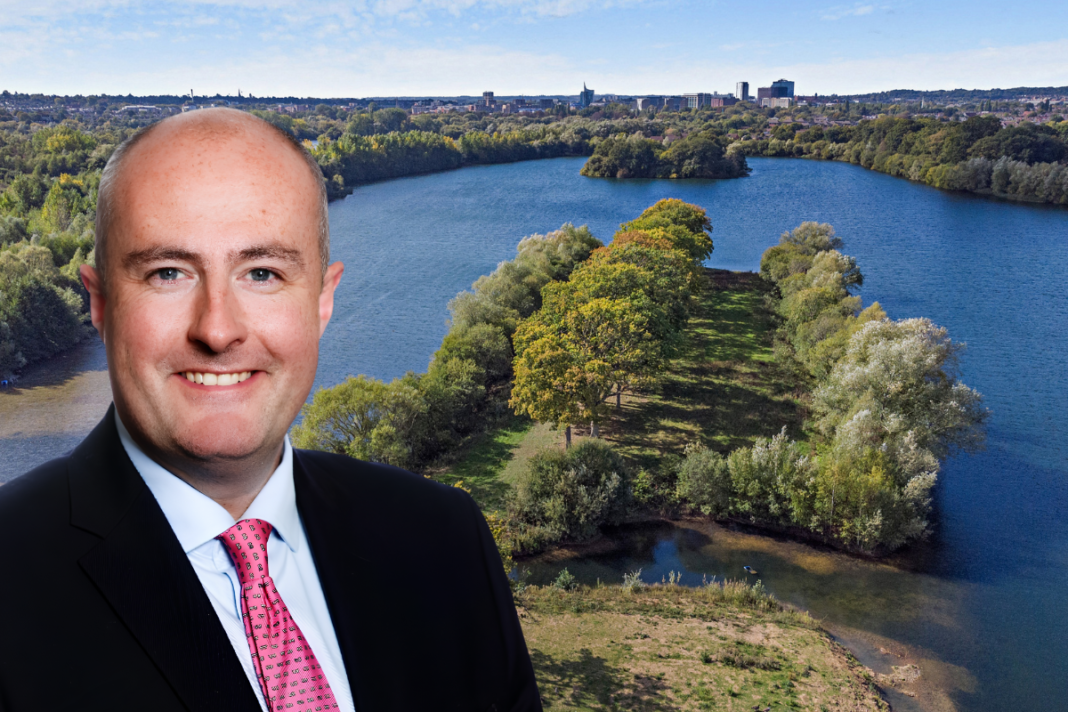
Islay Robinson (main picture, inset), CEO of Enness Global, says: “There’s a tendency to view major sporting events through the lens of what happens during the tournament itself, but from a property perspective the real story often starts years earlier.
“The cities selected to host events on the scale of a World Cup benefit from increased international exposure, infrastructure spending and long-term investment that can help strengthen the appeal of the local market well before the first match kicks off.
“For high-net-worth investors, this is often where the opportunity lies. The greatest gains are rarely made once the spotlight arrives, they’re made by identifying cities with strong long-term fundamentals before global attention turns their way.”