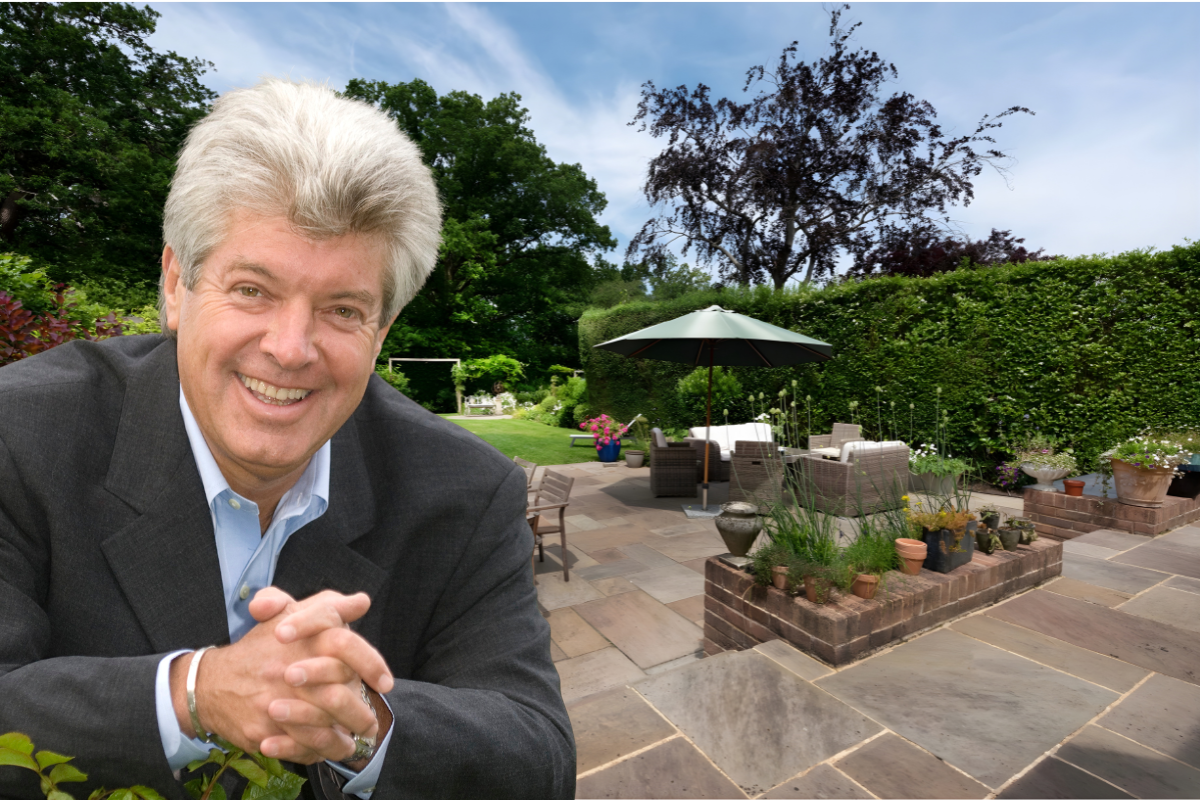
It is no accident that the Chelsea Flower Show has become such an internationally renowned institution, nor that it is so coveted by consumers and aficionados alike.
Each year, people make their annual pilgrimage to Chelsea with the sort of devotion usually reserved for religion, royalty, or the January sales at Harrods.
For the passionately green-fingered, it is not merely a date in the diary, it is the diary.
The loyal followers of Gardeners’ Question Time on Radio 4 form a particularly dedicated sect, part horticultural scholars, part plant whisperers, who absorb botanical wisdom with the enthusiasm of students cramming for finals, albeit with more tweed and fewer energy drinks.
AN INSATIABLE LOVE AFFAIR
The great British love affair with horticulture is quite insatiable. Our reverence for the historic landscape gardener Capability Brown remains undimmed, and even King Charles III is not immune to the charms of a well-placed shrub, as anyone who has wandered through Highgrove will attest, usually while quietly wondering how their own garden ended up looking like a crime scene involving nettles.
A garden makeover, in my view, is no less important than the interior refurbishment of a house. Indeed, it often consumes a rather alarming amount of money, considerably more than one initially budgets, and roughly equivalent to a small Mediterranean holiday home, but it is, without question, worth every penny.
Properties with attractive gardens should ideally be sold between April and July, when they are preening at their absolute best and practically selling themselves.
BEAUTIFUL GARDENS ADD VALUE
We consistently advise end users and developers alike not to stint on expenditure. A beautifully executed garden adds significant value to a property, often more than covering its cost, and, crucially, it creates that elusive emotional connection.
On a glorious summer’s day, a prospective purchaser cannot help but be seduced by a well-tended garden. Rational thought evaporates, chequebooks emerge, and suddenly ‘over asking price’ feels entirely reasonable.
NO NEED TO HUNT FOR A LAWN
Engaging a landscape gardener is, in most cases, a wise decision. Their artistry elevates a space in a way that enthusiastic amateurs, armed with optimism and a garden centre loyalty card, often struggle to replicate.
The intelligent use of space is paramount. While some designers delight in creating ‘surprises’ with high hedges and hidden corners, I remain a firm believer that when standing at the back of one’s house, the garden should reveal itself generously, enhancing both its perceived size and visual pleasure. Life, after all, contains quite enough surprises without needing to hunt for your lawn.
THE MARMITE SUBJECT OF ARTIFICIAL GRASS
Artificial grass, I appreciate, is something of a Marmite subject. Certain conservationists regard it with the sort of disdain normally reserved for unsightly extensions and plastic flamingos.
However, where permitted, it can be an extremely practical, low-maintenance solution for smaller town gardens and patios, particularly for those who prefer their greenery without the ongoing emotional commitment.
RECALIBRATION POST COVID
Since the Covid lockdown, there has been a notable recalibration in how people value outdoor space. During that period, many of Glentree’s central London clients decamped to larger houses in Hampstead and Hampstead Garden Suburb, drawn by the promise of greenery, fresh air, and the radical notion of being able to sit outside without negotiating with a balcony.
When planting, generosity is key. Resist the temptation to economise by purchasing small saplings that will, for several years, look exactly as they are, small and slightly apologetic. A garden should feel established, not like a long-term investment plan.
In some of our more elaborate properties, statues and sculptures become part of the negotiation process.
Owners are often reluctant to leave them behind, and if they do, they tend to expect a king’s ransom, occasionally for something that looks suspiciously like it came from an ambitious garden centre in Surrey.
OUTDOOR POOLS, VESITGE OF PAST
Outdoor swimming pools, once the height of suburban aspiration, are increasingly viewed as a vestige of the past.
While undeniably attractive, they are frequently filled in by incoming purchasers, who favour the altogether more sensible luxury of an indoor pool, one that does not rely on the British weather behaving itself.
ALRFRESCO DINING IN NATIONAL PSYCHE
Although we cannot control global warming, British summers do appear to be becoming warmer and, dare one say it, more predictable.
Alfresco dining is now firmly embedded in our national psyche, and this shift is undoubtedly contributing to the enduring appeal, and resilience, of the greener enclaves of north-west London, which continue to command strong prices even in more uncertain times.
Who would have thought that such value would now be placed on outside space?
Yet here we are, in a nation where the garden, once an afterthought, has become a central player in the theatre of property, quietly but confidently stealing the show.