Leasehold flats in complex buildings and shared ownership homes can create some of the heaviest conveyancing workloads for buyers, new analysis suggests.
Lyons Bowe Solicitors has ranked nine property types according to the additional legal work, documentation and third-party involvement typically required during a purchase.
Leasehold flats in higher-risk or complex buildings top the ranking, followed by shared ownership properties, while conventional freehold houses with clear registered titles are considered the most straightforward.
The firm stresses that greater complexity does not necessarily mean something has gone wrong with a transaction, but buyers may have more legal and administrative hurdles to clear before receiving the keys.
LEASEHOLD COMPLEXITY
Higher-risk or complex leasehold flats are rated as having a “very high” potential workload.
Alongside reviewing the lease, conveyancers can need management packs, service charge and insurance information and additional fire and building safety documentation. Mortgage lenders may also impose further requirements.
Shared ownership is also rated “very high”, with conveyancers potentially dealing with housing associations as well as provisions covering staircasing, resale, rent and service charges.
More conventional complex leasehold flats and leasehold houses are both rated as having a “high” workload.
New-build properties also make the high-workload category. Despite being newly constructed, purchases can involve extensive developer documentation, planning agreements, warranties, estate arrangements and questions over the adoption of roads and sewers.
FREEHOLD NOT ALWAYS SIMPLE
Freehold properties subject to estate management charges – sometimes referred to as “fleecehold” – are rated medium to high because buyers may still need management arrangements, charges, covenants and restrictions investigated.
Listed or significantly altered properties receive the same rating because of potential questions surrounding planning permission, listed building consent, building regulations and historic alterations.
Unregistered, defective or unusual property titles can range from medium to very high complexity depending on the circumstances.
“You’re also buying legal history, ownership structure and obligations.”
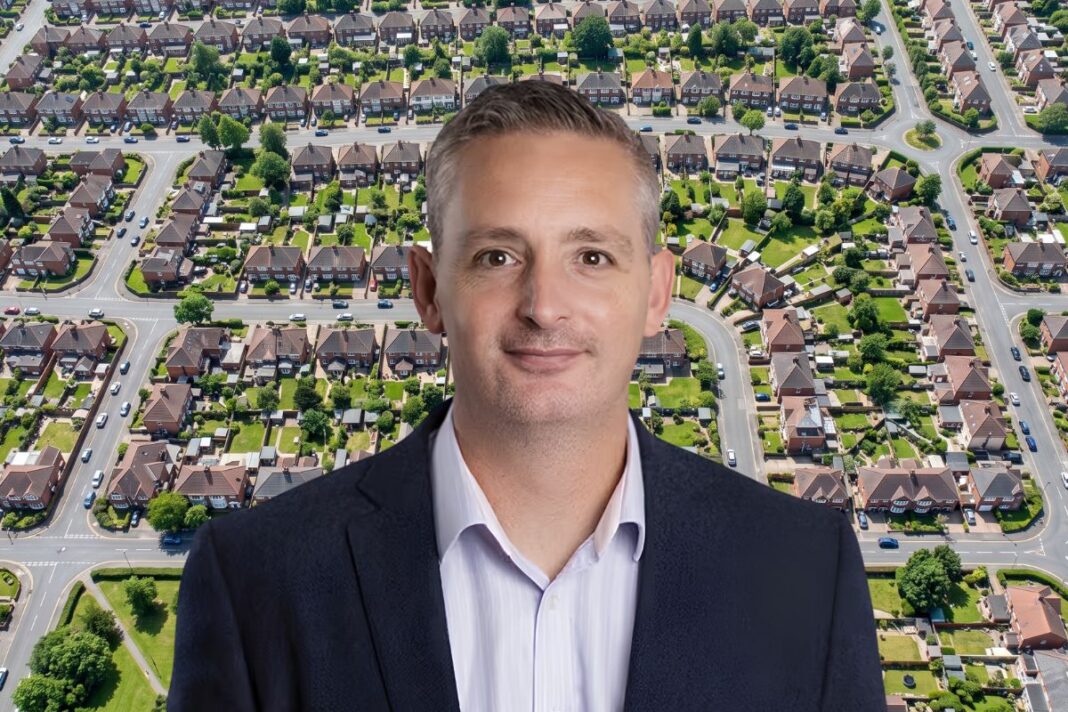
Paul Lyons (main picture, inset), Managing Director at Lyons Bowe Solicitors, says: “One of the biggest surprises for buyers is that the complexity of a property purchase isn’t always obvious from the outside. What might initially look like a relatively straightforward purchase can have all sorts of complex legal arrangements hiding behind the scenes.
“The important thing is that a longer conveyancing process does not automatically mean that something has gone wrong. Sometimes there is simply more to investigate, more paperwork to review and more parties involved in the transaction.”
At the opposite end of the ranking, a standard freehold terrace, semi-detached or detached house with a clear registered title is rated as having a low potential workload.
Lyons adds: “Buying a home isn’t just about choosing the property you want to live in. You’re also buying into its legal history, ownership structure and obligations.”