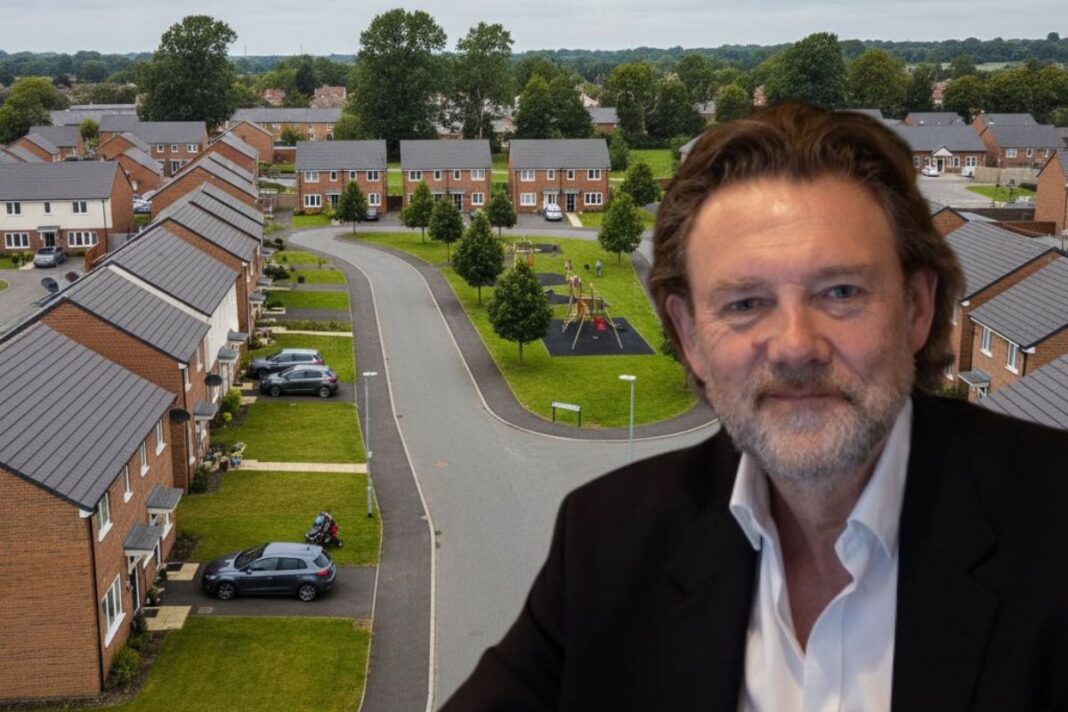
The average new-build home now costs 30% more than an existing property across Great Britain according to analysis from UK Property Development.
The premium has widened from 23.7% in 2016, an increase of approximately 6.2 percentage points over the past decade.
Across England, the average gap has grown from 23.5% to 28.9%, representing an increase of 5.4 percentage points.
The research compares average new-build and existing property prices rather than like-for-like homes, meaning differences in property type, size and location may also influence regional premiums.
NORTH EAST RECORDS 60% PREMIUM
The North East has one of the largest gaps, with new-build properties costing 60% more than existing homes on average.
Scotland follows with a premium of 55.4%, ahead of Wales at 44.7%, the East Midlands at 41.8% and Yorkshire and the Humber at 40.6%.
Scotland has recorded the largest widening over the decade, with its premium increasing by 8.3 percentage points.
The gap has grown by 7.9 percentage points in the East of England, 7.8 points in the North East and 7.6 points in the South West. The South East records an increase of 6.8 points.
LONDON REMAINS THE OUTLIER
London is the only region where the average price of a new-build home is lower than that of an existing property.
New homes in the capital currently carry an average discount of 10.5%, compared with 8.5% in 2016.
The research suggests London’s discount has therefore deepened by approximately two percentage points over the past decade.
ENERGY EFFICIENCY SUPPORTS DEMAND
Andy Morrison (main picture, inset), Director of UK Property Development, says: “New-build homes continue to attract a premium in most parts of Great Britain, reflecting factors such as modern specifications, energy efficiency and buyer demand for homes requiring less immediate maintenance.
“What’s particularly notable is that the premium has widened over the past decade across almost every region, suggesting that the relative value buyers place on new-build properties has strengthened over time.
“This is likely largely due to the increasing public concern around energy efficiency, both on household bills and in our individual contributions to tackling climate change.
“New-build homes cost more to buy, but that is because of the great benefits and long-term cost savings they provide.”