


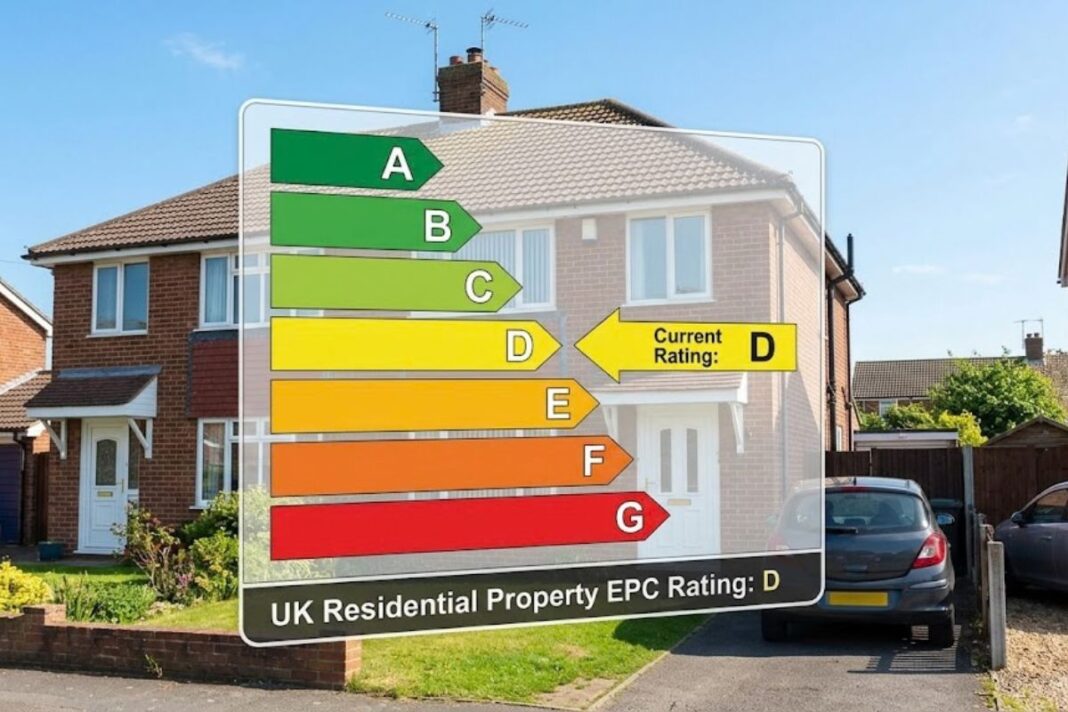
Landlords estimate it will typically cost around £9,000 per property to meet proposed new energy efficiency standards, according to research from Barclays.
The bank finds 38% of its surveyed real estate customers – predominantly landlords – expect some difficulty complying with proposed changes to Minimum Energy Efficiency Standards.
More than half, 51%, have already made improvements to their properties during the past three years to increase their Energy Performance Certificate rating.
The findings come as Barclays calls for government support to help landlords, homeowners and housebuilders meet the cost and practical challenges of improving the energy efficiency of UK homes.
RENTAL CHALLENGE
Barclays’ wider consumer research finds 63% of renters believe energy efficiency improvements are becoming essential as a result of high utility costs.
However, renters have less ability to make substantial improvements to the properties they occupy.
Some 29% say they have taken no action to improve energy efficiency during the past year, compared with 23% of homeowners.
Across all UK adults, 56% believe energy efficiency upgrades are becoming essential because of high utility costs.
While 75% report taking some action during the past year, the most common measures are behavioural changes rather than improvements to the property itself. Some 47% have turned off unused lights or appliances and 41% have reduced their heating use.
Just 11% of homeowners have installed or intend to install solar panels over the next 12 months, falling to 8% for heat pumps.
HOUSEBUILDERS FACE PRESSURE
Barclays also finds significant challenges facing housebuilders as the sector prepares for the Future Homes Standard.
While 98% say meeting the standard is a priority during the next 12 months, 82% expect doing so to be challenging.
More than a third, 36%, are investing in renewable energy and energy-efficient materials to improve productivity or sales.
Shortages of specialist sustainability expertise, including solar panel and heat pump installation skills, are among the most commonly identified supply-chain barriers.
CALL FOR SUPPORT
Barclays is calling for government policy to better align the costs and benefits of energy efficiency investment, improve access to finance for more expensive improvements and provide clearer guidance for households and landlords.
It also wants practical support to increase installer capacity and specialist skills as new standards are introduced.

Jatin Patel, Head of Mortgages, Savings and Insurance at Barclays, says: “People can see the value of warmer, more energy efficient home. However, our research shows that willingness alone will not deliver the scale of change required.
“Larger improvements can involve significant cost, disruption and difficult decisions, while renters may have little control over the fabric of their homes.
“Clear advice, access to trusted installers and appropriate finance must work alongside stable policy if households, landlords and housebuilders are to move forward with confidence.”