

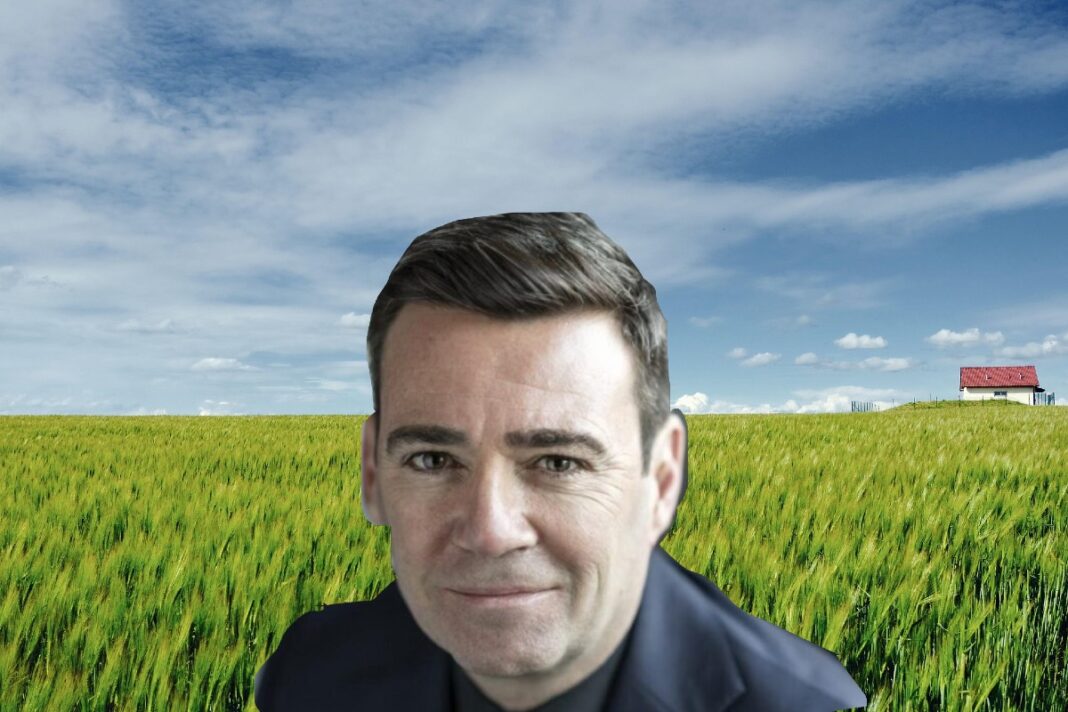
Potential new Prime Minister Andy Burnham’s support for a land tax could cause new uncertainty for homeowners, it has been warned.
Burnham looks to be the frontrunner to be named the next UK Prime Minister and while he hasn’t set out specific housing market policies, he has previously backed a land value tax.
The Labour MP has previously said he supports a proposal from campaign group Fairer Share, which suggests replacing both Council Tax and Stamp Duty with a land value tax based on a property’s value.
Homeowners would pay a flat annual rate of 0.48% based on the current market value of their property, rising to 0.96% for empty properties, second homes, and those owned by non-UK residents.
TAX SHIFT
Alex Pugh, chartered financial planner and partner at wealth manager Saltus highlights that crucially, the proposal also recommends that the tax is collected from property owners rather than tenants – a significant shift from the current council tax system.
Pugh says: “For landlords and property investors, this would introduce a direct annual cost on every property in their portfolio that currently sits with the tenant.
“While removing Stamp Duty may benefit those buying and selling homes, a recurring levy based on property values could significantly increase annual costs for all homeowners, while those with high value homes, second properties and investment portfolios could see costs soar.”
THE HUMAN COST
Pugh says there is also a human cost that is easy to overlook, adding: “Many people have inherited family homes that are now worth significant amounts on paper, but that doesn’t mean they have the income to support an annual tax bill based on that value. An annual property levy could force people who are asset rich but cash poor into selling homes that have been in their families for generations, not because they want to but because they simply cannot afford to keep them.
“There is also a broader concern that introducing a tax of this nature could weigh on house prices, particularly in areas where property values have historically been strongest. For investors and families who view property as a long term store of wealth, that creates an additional layer of uncertainty.”