Almost a quarter of Gen Z adults are relying on future property inheritance rather than actively saving for retirement despite growing evidence that many parents intend to spend more of their wealth during later life.
Research from Standard Life found that 23% of Gen Z respondents said they were not prioritising retirement savings because they expect to inherit property or money. Among millennials, the figure stood at 20%.
However, separate research suggests those expectations may be misplaced. One in seven parents (15%) said they intend to prioritise enjoying their money and lifestyle in retirement rather than preserving wealth to pass on to their children.
The findings come ahead of changes due to take effect from April 2027, when most unused pension funds and pension death benefits will be brought into scope for inheritance tax purposes.
FINANCIAL MISMATCH
As a result, nearly three in 10 parents (29%) said the changes will influence how they use their pension savings in retirement. One in 10 (10%) said they are now more likely to spend their pension savings themselves, while 22% said they are more likely to gift money during their lifetime.
The research highlights a potential mismatch between the financial expectations of younger generations and the retirement plans of older family members, particularly as people live longer and face rising later-life costs.
RISKY STRATEGY
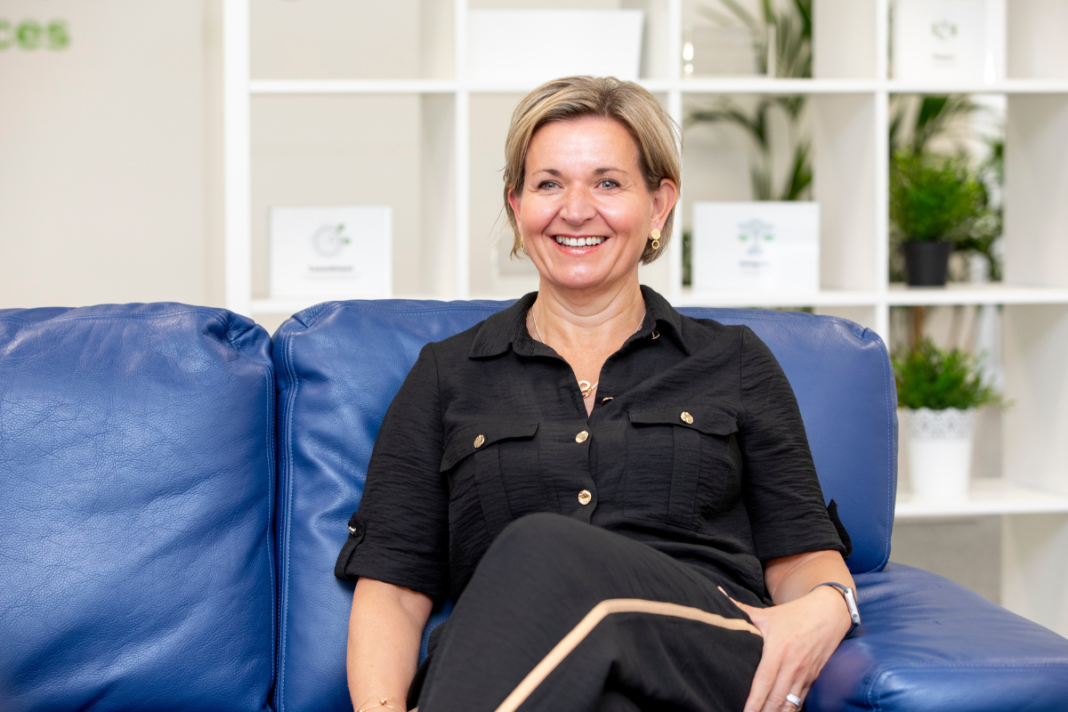
Mike Ambery (main picture, inset), Retirement Savings Director at Standard Life, says: “Inheritance can play an important role in family finances, but it is risky for younger people to build their retirement plans around money or property they may never receive.
“At a time when many are dealing with higher living costs and financial pressures, it’s understandable that some may look to inheritance as part of the picture – but it’s far from guaranteed.
“With people living longer and later-life costs rising, many parents may understandably want or need to use more of their savings during retirement.
“Inheritance should be seen as a possible bonus, rather than a substitute for building your own retirement pot.”