The drive to replace leasehold with commonhold risks creating false expectations among homeowners unless ministers are clearer about the complexity and timescale involved, according to the Association of Leasehold Enfranchisement Practitioners (ALEP).
The warning follows publication of the Housing, Communities and Local Government Committee’s report into the Draft Commonhold and Leasehold Reform Bill, which described the proposed legislation as a major step towards ending the traditional leasehold system and giving flat owners greater control over their buildings.
While ALEP welcomed the report and broader reform agenda, the organisation warned that leaseholders needed greater realism about how quickly change would happen — and what the legislation would actually achieve in practice.
The Government has repeatedly pledged to “bring the feudal leasehold system to an end”, but ALEP said many leaseholders could wrongly assume leasehold flats would disappear rapidly once legislation is passed.
CONSUMER PRESSURE
In reality, the group says the transition could take years – and potentially closer to a decade across parts of the market – with many existing leasehold flats unlikely to convert to commonhold in the short term.
The reforms come amid growing political and consumer pressure over leasehold practices, including escalating service charges, ground rents and difficulties selling leasehold flats. Previous research from Propertymark found 94% of leaseholders regretted buying leasehold homes, while 76% of agents said leasehold flats were becoming harder to sell.
ALEP also raised concerns over unresolved valuation and cost-sharing issues within the draft legislation, particularly around collective enfranchisement and conversion to commonhold.
The Committee recommended commonhold should become the default outcome when leaseholders collectively purchase their freehold. However, ALEP warned uncertainty remains over how non-participating leaseholders would later contribute towards costs already incurred by other residents.
POLITICAL MOMENTUM
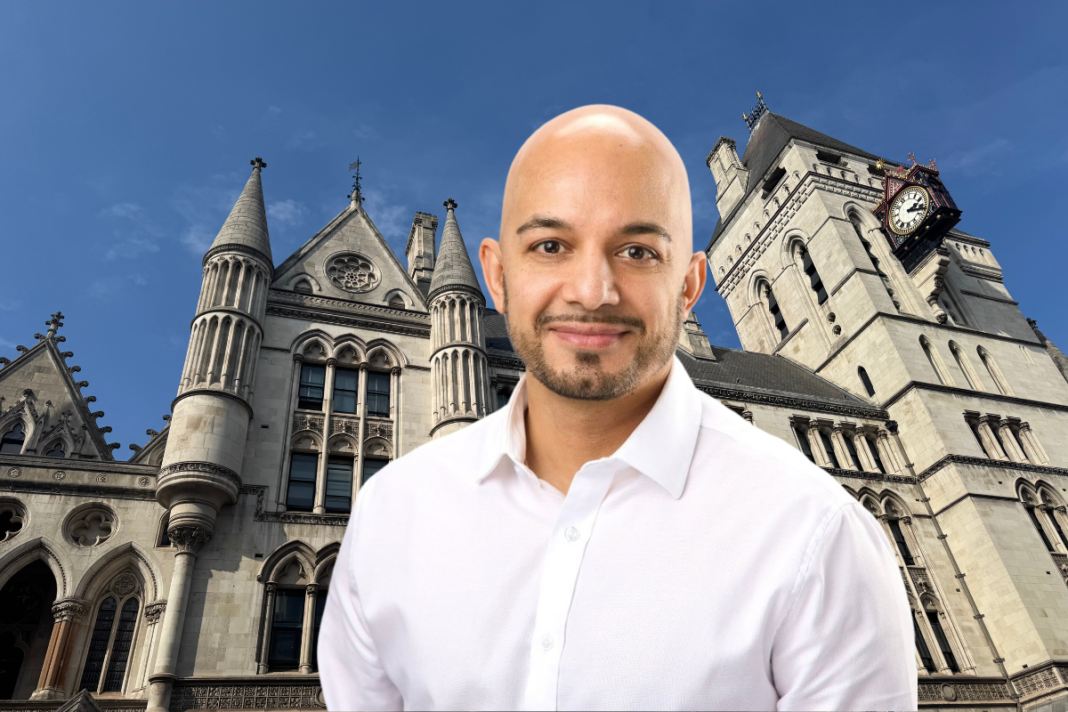
Mark Chick (main picture, inset), ALEP director and Senior Partner at Bishop & Sewell LLP, says: “The Committee is right to welcome the draft Bill, but also right to call for greater realism. This is important legislation, but it is not a switch that will turn leasehold off the moment the Bill is passed.
“The changes certainly will not be quick. In practice, it may be several years before commonhold is mandated and, across parts of the market, it could be closer to a decade before commonhold is fully embedded and widely understood.”
He adds: “Leasehold reform now has strong political momentum. The task for Government is to turn that momentum into legislation that practitioners can apply, leaseholders can understand and the market can trust. The detail is not secondary to the policy – it is what determines whether the policy can be delivered.”